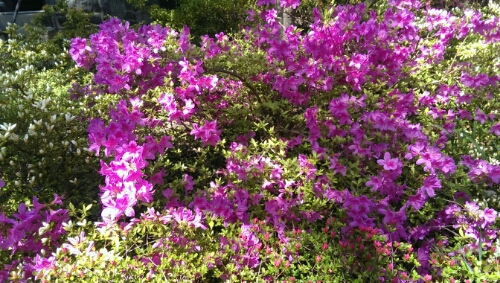
State of the Garden (Front)
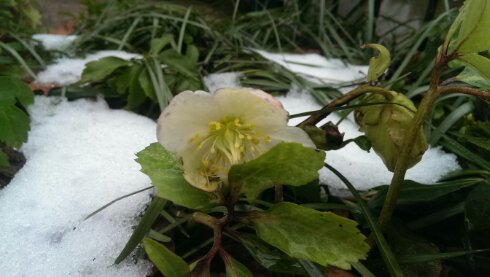
Late day spring is coming light on snow.
Punctuate as it suits you.
Late day spring is coming light on snow.
Punctuate as it suits you.
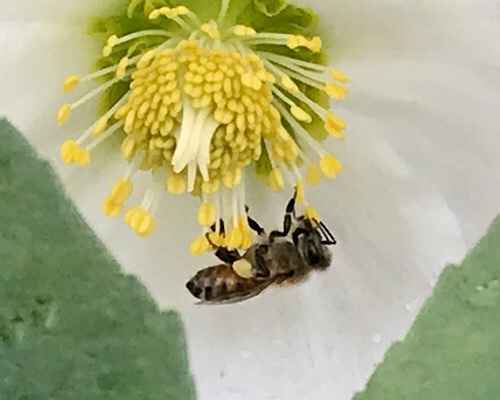
Hellebore and Bee
Dear Friends,
What a glorious Spring we’re having! I’ve just returned from an expanding, nurturing, and deepening time of study in Sedona with meditation teacher Paul Muller-Ortega. Later in May, I will join fellow certified Anusara yoga teachers in North Carolina to be with John Friend. Making sure to continue to study and gather with fellow yogis provides ever increasing appreciation of the benefits of practice and enhanced delight for the community.
May Day (May 1) is the first day for my Spring Session classes at Willow Street: Level 2 @ 8:30 am and Gentle/Therapeutics @ noon. Both are in the Takoma Park studio. While session registration is optimal, you are always welcome to drop in, whether you want to rock out in level 2 or get some healing and nurturing energy in Gentle/Therapeutics.
The William Penn House class continues to have the special $12 offering for public interest workers (broadly inclusive), students, seniors, and those in-between gigs ($15 for those who can afford it). Come join this collegial group 6:30 pm every Tuesday evening. A portion of the proceeds goes to benefit the work of William Penn House.
Looking to strengthen your practice: join me for Standing Steady in the Light: A Standing Balance Workshop, Sat May 8, 2:30-5pm, Willow Street Yoga Center, Takoma Park, $35. Find a place of deeper steadiness and balance in your own light and worthiness. Learn how to use the Anusara principles to enhance your ability to stand or your own two feet or on just one foot at a time. After we playfully explore a progressively expansive array of standing poses, we’ll finish with a few upside-down restorative postures to let our legs and feet feel the bright light created by the practice. Whether you find standing poses a challenge or revel in the dance, this workshop will illuminate your practice. Everybody welcome. To register, please visit www.willowstreetyoga.com.
As always, please take the time to enjoy and comment on the blog and if you haven’t already done so, friend me on Facebook for the latest news, photos, and quotes.
Looking forward to seeing you soon.
Peace and light,
Elizabeth

One of my favorite practices is to find the wonder in things, if only the outrageous complexity of experience and relationship.