| | | | | |

Earth, Water, Fire, Air, and Ether

We are composed of nothing different than earth, water, fire, air, and space, and much of yoga practice  (as are related practices such as ayurveda) is designed to recognize and align our elemental identity.  It is human nature to manufacture, just as it is the nature of a beaver to make a dam or a termite to make a mound of mud that displaces what was in its path.  Why then is it so common to  think of man-made as completely separate from “nature” rather than to recognize the wild and extraordinary creations of humans as an integral part of the complex fabric of being on this planet?
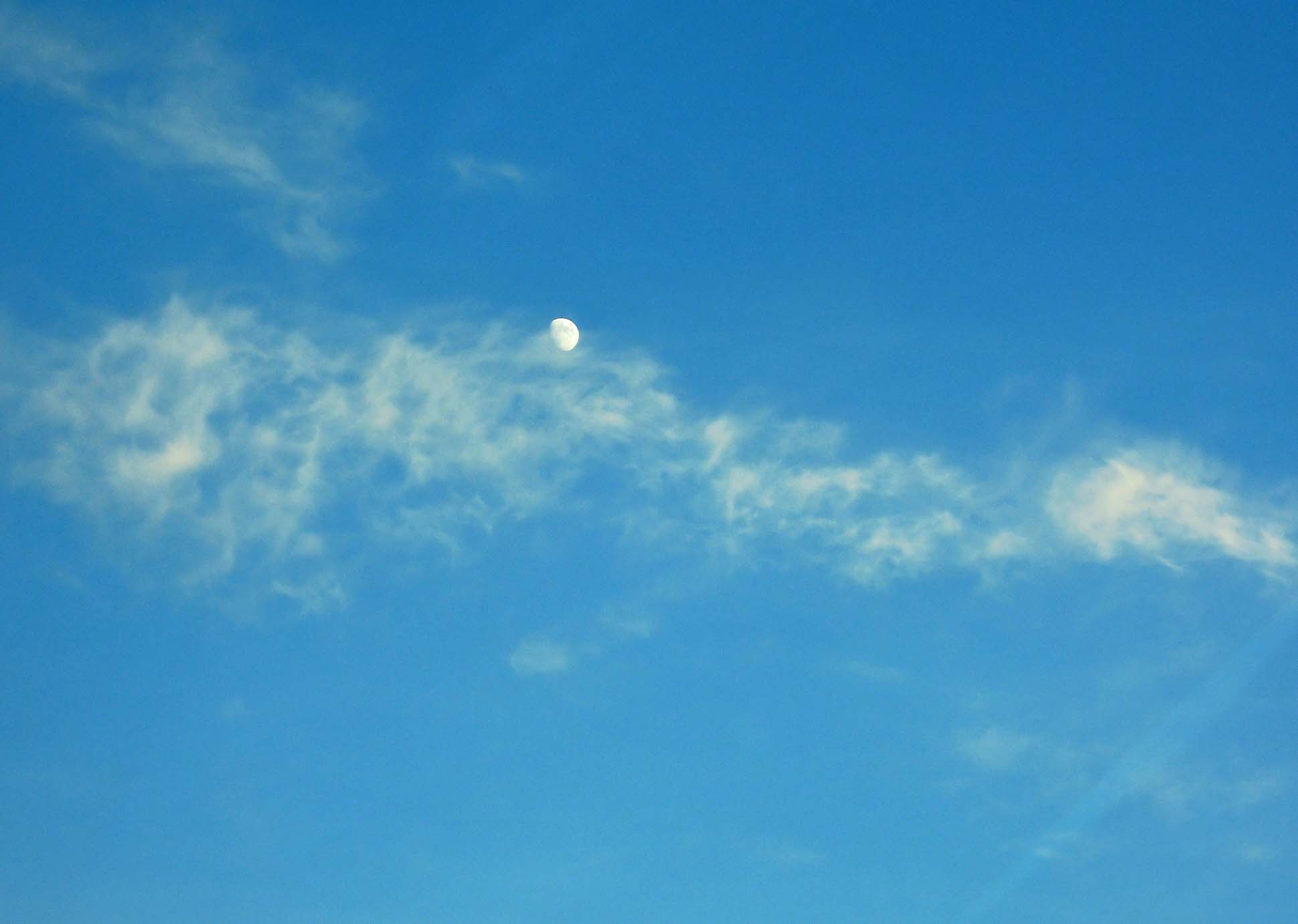
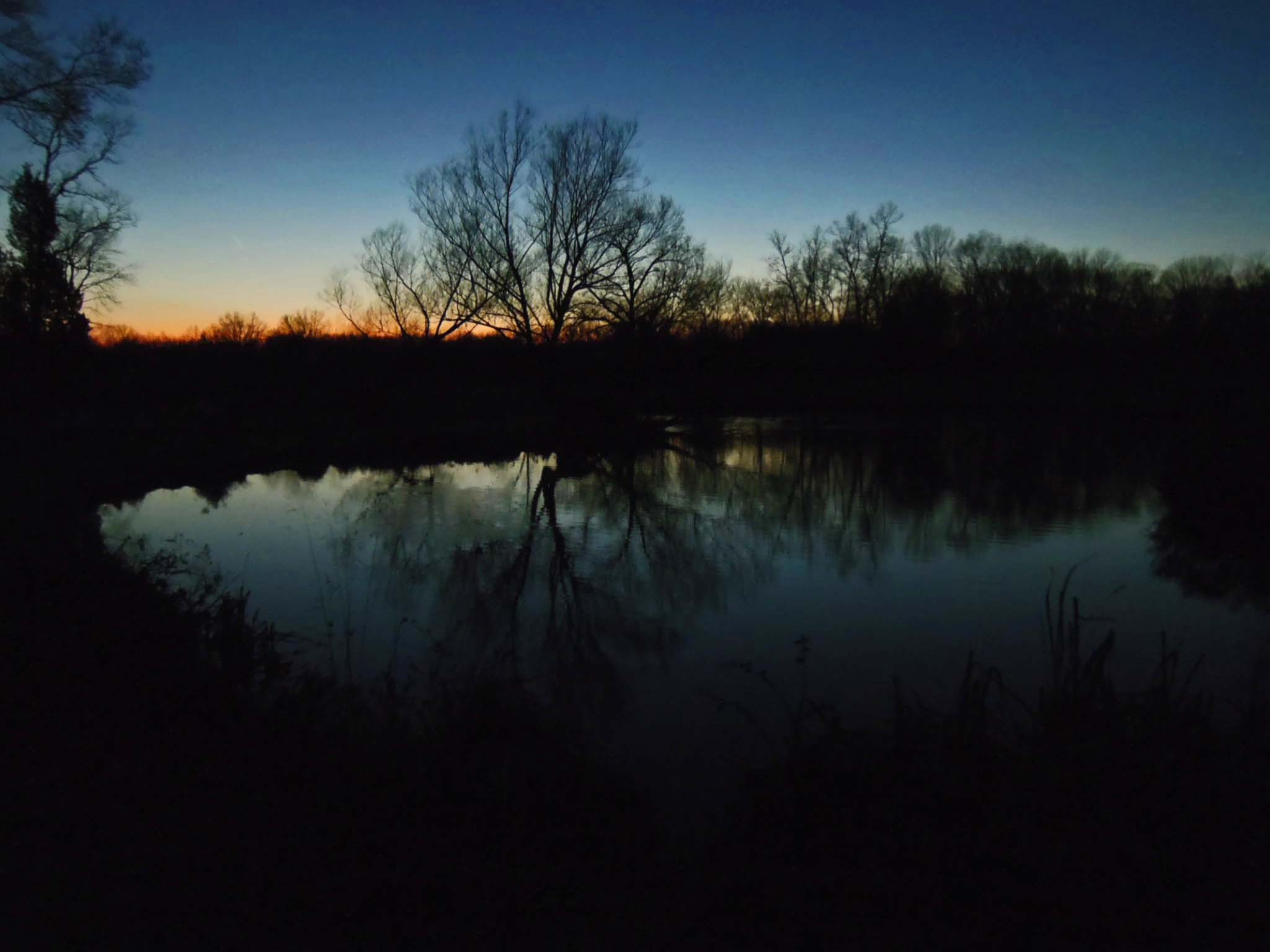
Photos taken on a Thanksgiving trip shared with friends and family:  DC to NJ, Cape Cod, and back to NJ before heading home. Without the time on highway and train, I could not have seen so much “nature” in so short a time.  Nor, might I add, would I have appreciated being out exposed to the wind and water without the shelter and protection of manufactured goods (including houses, cars, and clothing, etc).  This does not mean, of course, that to live better, we should not seek to balance and diminish our consumption of resources for our protection and comfort.
Similar Posts

  • | | | |

    Sadhana

    I formally took leave today.

    First, I went to a dance practice led by Margot Greenlee (BodyWise Dance), which was a lab for exploring techniques to enable those of a wide range of mental and physical capacities to express themselves through movement. Very inspiring.

    In between dancing and going to the Phillips Collection to see The Warmth of Other Suns: Stories of Global Displacement exhibit, I paused on the grounds of the Capitol and gave witness to the climate strikers.

    I meditated on the bus.

  • Granola (yes, it’s basically cookies in milk without the egg and butter)

    On Wednesday, reluctant to turn on the heat despite the cold, I turned on the oven instead.  I already had muffins and bread from the previous weekend in the freezer, so I decided to make granola.  I first made granola at Quaker youth camp in the 1970s in upstate New York.  It was tasty, but loaded with honey and fat, and we made it in such vast quantities that it was years before it occurred to me I could just make the same amount that would be in a cereal box for myself.  If you have never done it, or suffer from the same inhibitions I’d suffered from, give yourself a treat and make your own.

    Take a few cups of multigrain flakes (or just oat flakes).  Throw in any or all of the following:  shredded coconut, chopped nuts, flax seeds, sunflower seeds, hemp seed nuts.  If you have them in the house, add a handful of wheat germ and/or flax seed meal, a little salt (makes it taste sweeter) and spices if you like (e.g. cinnamon, allspice, nutmeg).  Stir in enough of any of the following liquid sweeteners (my favorit is brown rice syrup because it gives the best clumping with the smallest amount), honey, maple syrup, agave, fruit juice concentrate (thaw first) and a little vegetable or nut oil (my favorite is walnut), that the mixture is a pleasing combination of coated flakes and small clusters.  (The more sweetener you use and the stickier the sweetener, the bigger the clumps).

    Spread mixture on an oiled cookie sheet.  Bake for 20-30 minutes at 325-350F.  Let the mixture get golden, but not brown (or to taste).  Turn and respread mixture once at about the 12-15 minute mark.

    When you take the mixture out of the oven, stir in dried fruit of your choice (raisins, currents, dried blueberries or cranberries; dice larger fruits such as dried apricots or apples).

    Use combinations of nuts, spices, sweeteners, and fruits that make sense:  apple, walnut, maple syrup; brazil nut, coconut, pineapple juice concentrate, nutmeg; cranberry, raisin, walnut.  You get the idea.  If you like peanuts, blend some peanut butter in with the sweetener and oil before mixing it with the grains.

    Why is this recipe not exact?  Because it does not need to be exact to come out delicious.  Because breakfast cereal is best if it is the way you like it and not the way someone else likes it.  (Just like doing your own asana practice at home).

    If you have never done it before and are afraid of picking your own proportions and oven temperature, find a couple of recipes on the internet or in a cookbook and then use the recipes as a basis for experimenting.

    For muesli, leave out the sweetener and the oil, omit the baking, add the fruit to the flake and nut mixture and then prepare as you like your muesli (soaked or not soaked, with yoghurt or with milk, etc).

  • | |

    Expanding Your Edge

    Thursday night,  I took a dance improvisation workshop at Dance Exchange, the second in a series of three workshops.  One of the exercises we did was in groups of two.  The game was to do simultaneous improvisation.  Without designating a particular person as a leader, each dancer was to try and stay in synchronized movement with his or her partner.   When we were done with the exercise, some of the dancers talked about their goal having been to be in control of the lead or trying to push their partner past his or her edge.  I had been innocently (or perhaps naively) unaware of these dynamics, as I had been seeking to find where the dance could be the leader rather than either partner.

    After the workshop, when I was walking to the metro with the teacher and another participant, both of whom are performers in their 20s, I raised the issue of people trying to push others past their edge (I’d held off raising it in the group as it seemed too many were in a different space).  I said that knowing that my partner was a lot less flexible than me, though lots stronger, and knowing his competitive edge, I never would have tried to push him beyond his physical limits.

    The teacher said he liked being pushed past where it seemed like a good idea; it made him get to another place.  I agreed that it is good to try to expand, to go beyond what we think are our limits.  I have been taught, though, by my teacher John Friend, not to blow past my limits.  Rather, in the practice of Anusara yoga, we seek to be intimately and exquisitely aware of our edge at every moment, and then expand it.  The game with the partner using this paradigm would have been to find the edge and then see if the dance could expand it rather than to try and exert control or see if we could push our partner past his or her limits at our partner’s risk.   When we operate in a paradigm of straining and striving, or we push for control or try to compete with ourselves or with others, that is where we get injured.  I’ve had my share of dance injuries, I added, but to continue dancing through the decades, I cannot be blowing past my limits, though I am still growing.  I was not sure that what I said felt relevant, but I could also tell that it was information that went into the thought mix for later.

Leave a Reply

Your email address will not be published. Required fields are marked *

This site uses Akismet to reduce spam. Learn how your comment data is processed.