Dear Friends,
Despite being in the warm and comfortable bed for which I am grateful every day, I woke up sore-hearted this morning. I’d been dreaming first of dodging bullets in a shootout and then striving to escape rising flood waters. I did not suffer any physical harm to my person in these dreams, but felt scared and lost and unable to save those around me at greater risk. With the morning wake-up call, I got out of bed and followed my cat Uma down the stairs for our morning ritual. I changed her box and fed her. While she ate, I did some gentle asana to unknot the sleep from my body. I took my seat for pranayama and meditation, and Uma, as is her practice, immediately curled herself up against me. After meditating, I prepared a healthful and tasty breakfast and then got to work. After a few hours of working, the charged emotions of my dreams faded into the background.
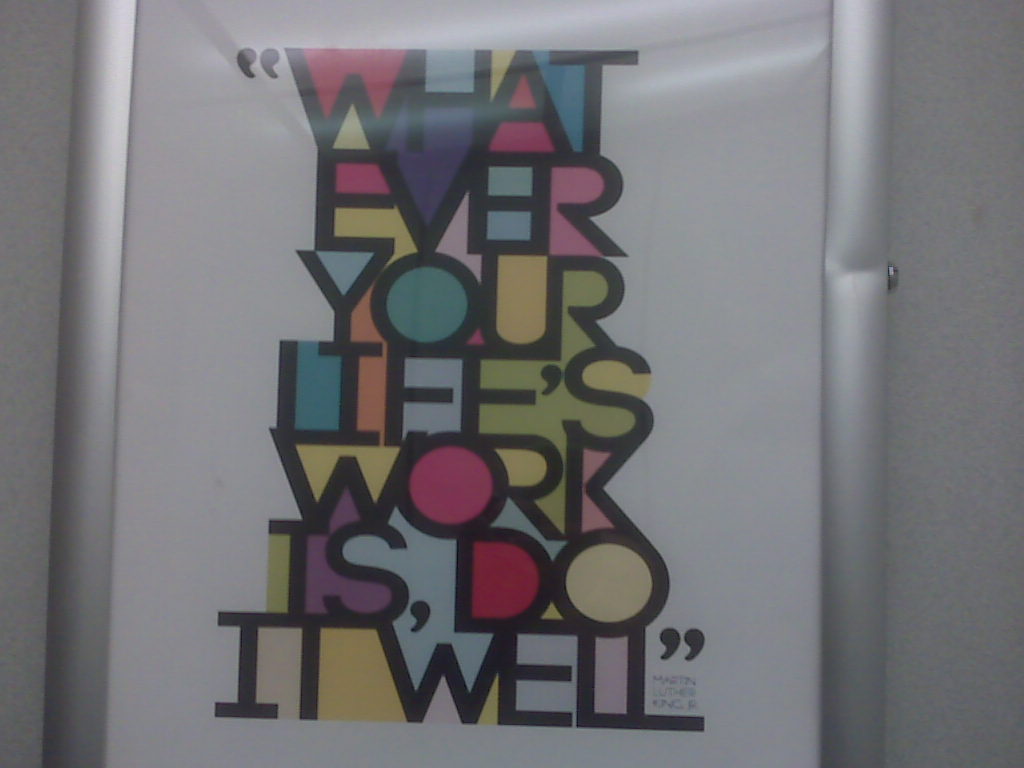
I’ve had dreams like this before, and it is not surprising I would be having them now. Gunfire and flood waters and other violence (man-made and “natural”) are our daily news. For the most part, even those events that hit closest to home such as Hurricane Sandy have not caused irremediable harm to those I know, even those who were impacted. I find myself asking what I, as an ordinary person without special insight or extraordinary ambition, should or could be doing in the face of apparently ever-increasing societal rancor, divisiveness and violence and destructively extreme weather and increasing environmental degradation.
Can the yoga practices help in this? I think so. At its most insidious, much of the core elements of the yoga philosophy served to justify keeping in their place without protest those without power by virtue of gender or social class. I believe that in our Western context, though, these same practices can be used to help us to better handle and accept what comes our way without requiring us to be idle and complacent in the face of injustices or harms that we can change. I might not be a visionary, but I can be a good citizen. I might not be able to radically transform, but I can be responsible for taking care of my health and home in ways that minimize my impact on the environment and others and give me the most strength to take care of those with whom I am in relationship. I can practice going deep into challenge with the yoga with the intention of being able to live with greater grace and beauty whatever comes.
I invite you to join me in this endeavor (and to share any concrete ideas–especially those of you who have visions for making things better; I’ll listen and contemplate).
The yoga offerings continue on the same schedule: William Penn House (pay the suggested donation or whatever you can), Tuesday nights from 6:30-7:45pm; house class for charity on Wednesday nights (email me if you want to join); Friday nights gentle/therapeutics at Willow Street Takoma Park from 5:45-7:15. For immediate news of a change in class schedule or special offerings when I am substitute teaching or offering a workshop, please like my Facebook page. If you haven’t already, please consider subscribing to my blog to enjoy photos and musings about the yoga life and join in the dialogue.
May the new year bring you, along with the inevitable challenges, joy and peace at heart.
Peace and light,
Elizabeth