Art and Culture | Asana, Pranayama, and Yoga Practice | Community and Family | Food for the Body | Food for the Mind (Yoga Philosophy, etc)
Found Exhortation (Excerpt)
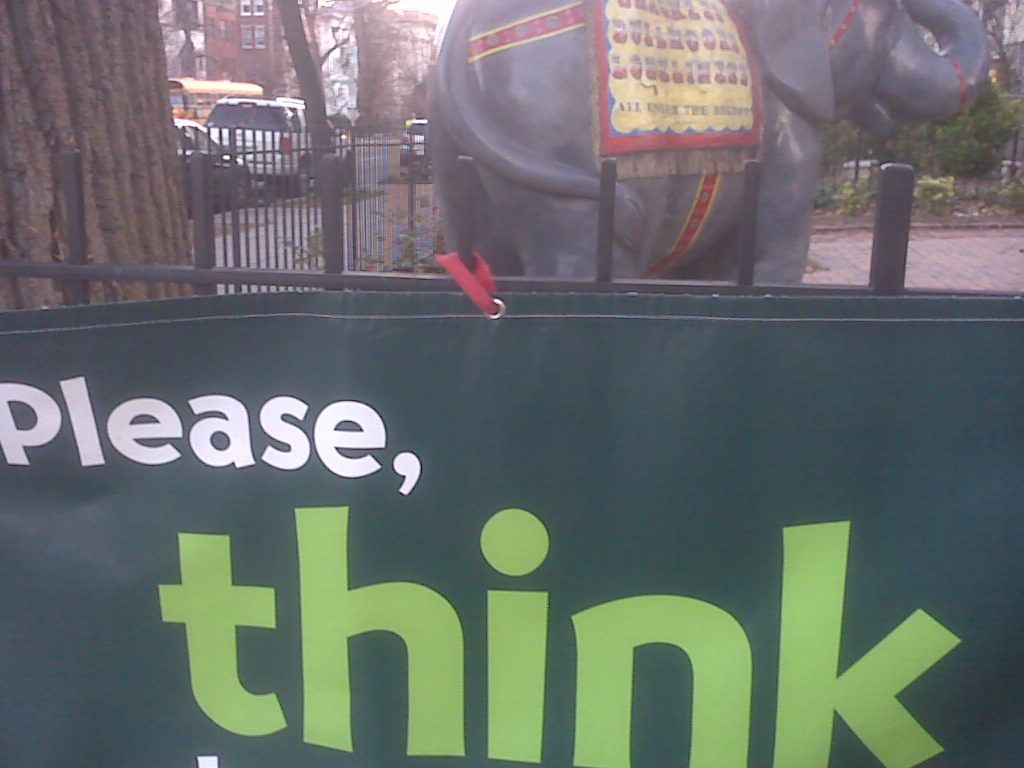
Peace and light, E — Posted with WordPress for BlackBerry.
Peace and light, E — Posted with WordPress for BlackBerry.
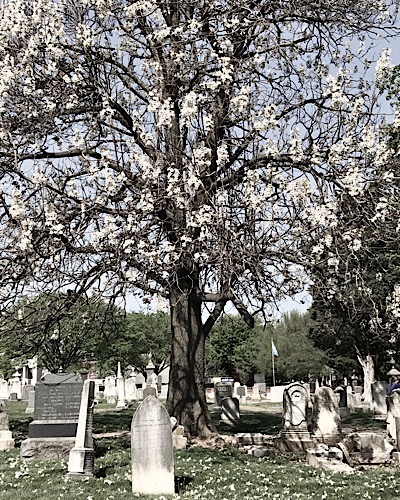
I took a long walk this morning on this holiday weekend. My walk took me past DC General and DC jail on then to Congressional Cemetery before looping around to Barracks Row and Eastern market.
For those of you who have heard me talking about contact improv and how much delight in it I’ve found and how a steady engagement with this art form has influenced my asana practice, there will be a great opportunity to get the basics at the morning workshop session on August 24th at Dance Exchange in Takoma Park.
Many thanks to my friend Leslie for coordinating the workshop. For more information and to register, click here.
Hope to see many of you there. For those more comfortable with movement, dance, and the form, there will be more opportunity to dance all day.
If you’re out of town and interested, email me separately about a possible visit.
Snowdrops have been showing up for more than a week, but crocuses? They seem a little incongruous with the bitter winds and as much a reminder of global warming as of spring. I feel a bit confused seeing them, though delighted.
It has been a good winter. I have learned to appreciate the cold and dark, which gives us time to enjoy the pleasures of home and introspection. Now, I am looking forward to spring, the effusive colors, the warmth, the ability to get back out into the garden.
This time of year, with the radical contrasts of cold winds and flowers does highlight the play of opposites, the very pulsation of existence — in yoga terms, the spanda. This time in society seems to have a similar play of bitterness and sweetness. Staying steady with our yoga practice and our community, we can delight in what we see and what we have, even as we may be worried and working for change. That too, is part of the play (lila). To invite in a steady warmth and support from our practice and our community, even as we see difficulties and challenges, want things to be different, and know that our work may not necessarily bring about the change we seek.
As I was doing my laundry yesterday, most of which I line-dried, I thought about the fact that I have not been to the dry cleaner in nearly a decade. This is one of the small things I have chosen in order to be a little kinder to the environment.
Some of my clothes, especially things I bought several years ago, say “dry clean only.” This includes knits made of wool, tencel, modal, or rayon (all of which are natural fibers) and linen and silk unconstructed clothing. All of these do fine with hand washing (or on the gentle cycle in the washing machine) and being hung up to dry (this also applies to cotton, button-down shirts). Of course, if it doesn’t say to dry clean then you definitely don’t need to dry clean.
Always believed the label? How was clothing made of natural fibers cleaned before there was such a thing as a dry cleaner? Think they look better or it is easier to get them dry cleaned? Think about the solvents, the plastic, the energy for the cleaning method, and whether you drive to the dry cleaners. Then make a decision.
Most things do not need to be cleaned by use of poisonous solvents (just because a solvent is “organic” or “natural” doesn’t mean it is good for the environment) and then wrapped in non-recyclable plastic to take home (many dry cleaners will take back the hangers, but will say they need to use the plastic wrap because their premises are too dusty for your clothes to stay clean outside the plastic wrapper).
So look for clothes that say “gentle wash, line dry” instead of “dry clean only.” If it says “dry clean only” think about whether it really applies. It will not apply for a wool sweater, most knits, or unlined clothes. A business suit — yes, it won’t keep its shape unless you dry clean. Do you really need to wear a business suit? Will a choice not to wear a suit impact whether some people think you are truly “professional”? Possibly. If you decide you need to wear a suit regularly, how many times can you wear it before taking it to the dry cleaners?
PS. Don’t experiment with things that are new and expensive. Try it on older clothes and discover whether you need to believe everything you read.
Soon the leafing of the trees will make the Dome all but invisible, but I will look at where I expect it to be.