-
-
Blustery Winds, Prana, and Yoga Practices
The other day was very windy–steady winds of 20-25 miles per hour and gusts of up to 30-40 miles per hour. I needed to go to work, so I had no choice about which direction to walk. That direction was, unfortunately, straight into the wind. It made the already cold day feel much colder, and I felt like I needed brute strength just to move forward. Knowing that I did not have the option of turning the other way to feel warmer and have the wind push me along, I instead consciously softened and leaned into the wind so that I was fighting it less and able to ride it a little.
I was moved by facing the wind to think about the various yoga practices and how they help us understand and be with the force that connects and moves around and between things, without and within us–prana.
When we meditate, the intention is to be in either absolute fullness (purna) or absolute emptiness (sunyata). (I don’t think it matters which one). In the absolute stillness of meditation, prana does not flow, and we experience being in a state where we are not tugged at or blown by the forces of change and relationship between object and beings. Being able to tap into that state is essential, I think, to be able to weather the times when the energies around us are too much of a whirl for whatever reason.
When we practice pranayama (breathing practices), we learn about the many ways prana flows. Although pranayama is often translated as breath control, I think it is more about learning to control our physical and mental relationship to the breath than it is about controlling the breath–the breath serving as the best proxy for us to experience the flow of the life force, prana itself. Learning how to be more intimate with the subtle energies helps make us more humble, more aware, and more skillful in relationship to the world around us.
When we practice asana (postures), we practice dancing with and riding the prana so that we do not have to do everything by rigid physical and mental effort. With steady, educated and discerning practice of asana, we can move with more power and grace and less effort and risk of injury, just as a skilled sailor knows how to align her or his sails both to be able to move when there is just a bit of wind and also to ride out a gale, harnessing the wind instead of being torn up by it.
To those of you facing the blizzard, may you find time to be still and warm and at peace and use skill in alignment to stay safe when clearing out from the snow and moving from place to place.
Peace and light, E — Posted with WordPress for BlackBerry.
-
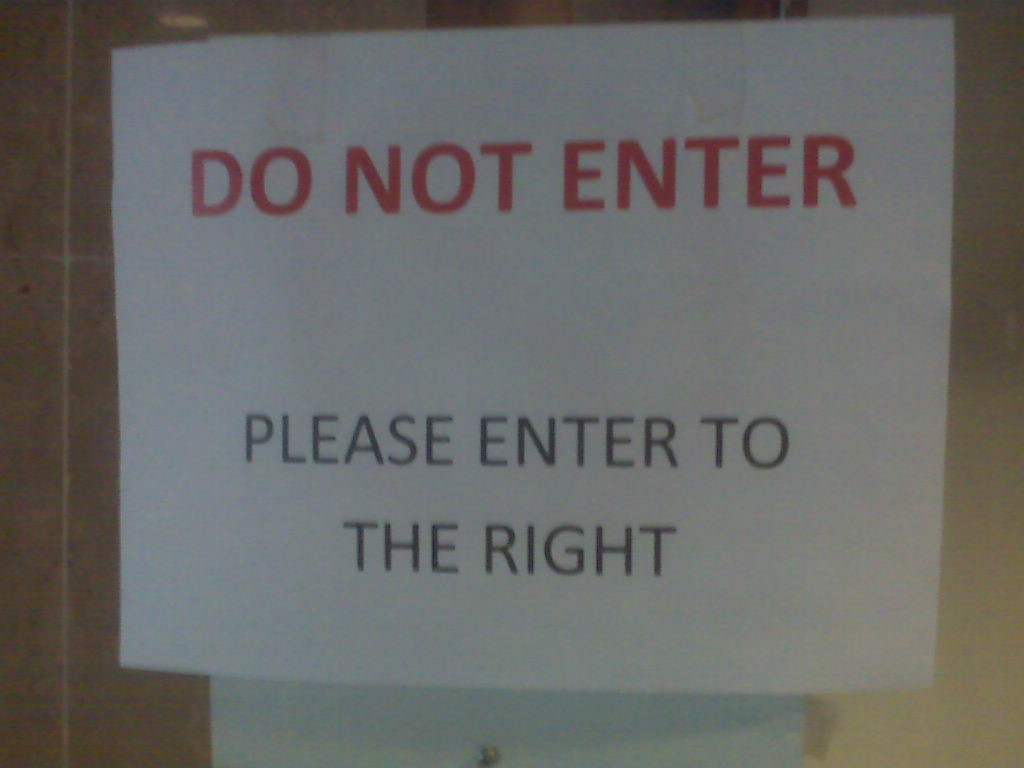
Pradakshina?
The term pradakshina roughly means turning towards what is right, to move in alignment with nature. When I was in yoga teacher training, we were taught that to make sure that the practice was in accordance with nature, with the principle of pradakshina, we should instruct our students to roll to the right when coming out of savasana (final relaxation; the corpse pose).
Those who take class with me may have noticed that a couple of months ago, I started just saying to roll to your side, whichever side feels better for you.
Why should turning to the left be sinister (latin for left), or gauche (french for left), or subversive and contrary to dharma (left-handed tantric practices).
Left-handed myself, I can assure you that not one of the salesmen in the expensive shop in India where I bought art and jewelry last year cared that I signed a credit card slip with my left hand (though in India it is customary to eat with the right hand and wipe oneself with the left to make sure that one never uses the same hand for both activities).
Who wants to move the right if right means not correct, but conservative, fundamentalist, self-righteous, and rigidly traditional in societies where tradition is paternalistic, narrow-minded, racist, classist, religiously dogmatic, and sexist?
I think turning to the side without the bum shoulder or the clogged sinus or turning to the side where there is more room or a beloved friend practicing beside you is turning in accordance with the principle of pradakshina–even if it means turning to your left.
Practice pradakshina by all means, seek to align with and embrace the flow and forces or nature within and without and honor those social customs that support and expand love and community, but don’t just roll to the right (or teach that) because someone told you going to the right will bring you closer to the divine. It ain’t necessarily so.
Peace and light, E — Posted with WordPress for BlackBerry.

-
Art and Culture | Asana, Pranayama, and Yoga Practice | Food for the Mind (Yoga Philosophy, etc) | Meditation
Found Exhortation (Dysfunctional)
I don’t think anyone ever feels better for being told they ought to–whether emotionally or physically. To help someone else or our self to feel or get better, it is far more productive to offer well wishes or offer loving or healing energy or to take action the likely result of which is to improve health or mood.
Peace and light, E — Posted with WordPress for BlackBerry.
-
Signs Around Town (and Regret)
Regret nothing.
Regret is nothing.
Regret no thing.
Is regret nothing?
Is regret no thing?What a shift in perspective we can make by looking at something or saying something or thinking about something just a little differently than we have before.
Regret will undoubtedly arise on its own. But can we ultimately release regret so it is nothing to us and our ability to move on in the best way we can? That is one of our most important endeavors in growing and practicing and engaging life (engaging in life).
Peace and light, E — Posted with WordPress for BlackBerry.

-
-
Asana, Pranayama, and Yoga Practice | Community and Family | Food for the Mind (Yoga Philosophy, etc) | Meditation | Quaker
Disobedience and Isvara Pranadhana
MoveOn just posted this Howard Zinn quote on Facebook: “Civil disobedience is not our problem. Our problem is civil obedience. Our problem is that people all over the world have obeyed the dictates of leaders…and millions have been killed because of this obedience…Our problem is that people are obedient all over the world in the face of poverty and starvation and stupidity, and war, and cruelty. Our problem is that people are obedient while the jails are full of petty thieves… (and) the grand thieves are running the country. That’s our problem.”
It spoke my mind and resonated with what I wrote about yesterday with regard to how to be open to yoga’s invitation to practice humility without ceding power to authoritarian structures. This quote is spurring me to think aboutPatanjali’s eight-limbed path of yoga, and particularly the niyama (observance) of ishvara pranadhana (surrender). I don’t see why a true, radical yogini could not simultaneously surrender to the mysterious outrageousness of being while still being appropriately disobedient to authoritarian structure. But maybe that is because I was raised a Quaker; there’s quite a bit of overlap between some of the tantric yoga principles and the teachings of Quakers.
-
-
Asana, Pranayama, and Yoga Practice | Community and Family | Food for the Mind (Yoga Philosophy, etc) | Meditation
Humility
Last night at house practice, we were led to think about humility (in Sanskrit vinaya). Yoga, similar to religion, tends to privilege the idea of humility.
From a one perspective, it is easy to think of the benefit that those in charge–the priests and the moneyed and privileged classes that support religious institutions to get help staying in power–get from preaching the virtues of humility. If the relatively powerless are led to believe that they will benefit spiritually from practicing humility before humans and institutions that hold sway over them, that certainly helps perpetuate a patently unfair status quo.
We can recognize our own skills and talents and relative worthiness and actively seek justice and fairness, though, and still be humble. However much intrinsic power we have and extrinsic fairness in distribution of power we seek, we can still recognize that we are not ultimately in charge of exactly how our life will play out in the vast and complex web of being. Feeling humility in the face of all that we do not and cannot know is just living in awe at the wonder of life. This, I think, is true and sustainable humility.
Peace and light, E — Posted with WordPress for BlackBerry.

-
Asana, Pranayama, and Yoga Practice | Community and Family | Food for the Mind (Yoga Philosophy, etc) | Meditation
Signs Around Town (Temporary)
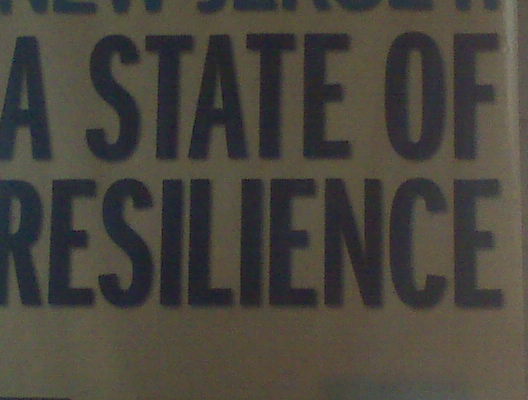
The sign may be temporary, but this is a state that I would want to be as long-lasting as possible. Yoga, well-practiced and studied, provides us with ever more resilience–one hopes a lifetime’s worth– to handle the wild vagaries of existence with as much grace as is possible.
Peace and light, E — Posted with WordPress for BlackBerry.