Found Exhortation

Peace and light, E — Posted with WordPress for BlackBerry.
thoughts on how we fit into the web of community, family and society
Peace and light, E — Posted with WordPress for BlackBerry.
How do you react when you see signs of neglect, disinterest, disregard for the health and well-being of the earth and other beings? Do you get stuck in a sense of helplessness or rage? Do you think we’re all screwed anyway and decide no effort to make things better is worth it? Are you moved to political action? Are you moved to take better care of self, family, and friends, even if you think you cannot make much of a greater impact beyond your intimate circle? Can you remain engaged and still find joy, whatever the apparent immediate results and how hard the battle seems to be?
The Bhagavad Gita, says that to live a life of yoga, we must do the last of these. The first teaching from the Bhagavad Gita on this point is that we must live in accordance with our dharma (duty). The second teaching, and more important for having peace of mind in a life of duty, is that of “actionless action.” The true yoga is to live a life of action in accordance with dharma, but without attachment to the outcome (i.e., live in an orderly way, accepting the tendency of the universe to be chaotic).
Dharma in the Bhagavad Gita, of course, contemplated rigid roles in terms of livelihood and place in society. In the paradigm of citizenship in a democracy that does not so narrowly circumscribe one’s livelihood or place in society, I wcould argue that it is all of our dharma to participate as a citizen, voting, speaking out for our beliefs, and otherwise using the freedom we have to live a life that best supports the twins of individual and common good, including not just human good, but the whole ecology in which we exist. The actionless action part is to keep seeking (without despairing) to make things more in alignment even if the forces against healing, nurture, and alignment seem to conspire against positive results that we will see or actualize ourselves.
Are you registered to vote? Have you watered your trees? Casey Trees reminds us that this week in DC is dry; trees need about 25 gallons of water or 1 1/2 inches.
Deferring gratification may make sense for all sorts of reasons–pursuing a goal, keeping on a budget, sticking to a healthful diet or lifestyle. But even if you are with discrimination (in yoga terms viveka) choosing to defer gratification…

Peace and light, E — Posted with WordPress for BlackBerry.
Have you savored something today? Appreciated it essence? Have you found something for which to be grateful even if it is too hot, your garden is suffering from drought, and work has perhaps yielded no tangible immediate reward other than a paycheck if you are fortunate enough to have work? Can you taste some good in a mediocre meal–even if it is just reveling in the combination of plenty to eat and having a discriminating palate?

Peace and light, E — Posted with WordPress for BlackBerry.
It continues to be drier than normal and hotter than average, even with the few below normal days and the intermittent violent thunderstorm.
A good, deep watering once a week is better than more frequent shallow waterings for trees during a dry spell or drought.
If your neighbor refuses to take responsible care, take care of the trees adjacent to your own. Well-tended trees make great neighbors in the city.

Peace and light, E — Posted with WordPress for BlackBerry.
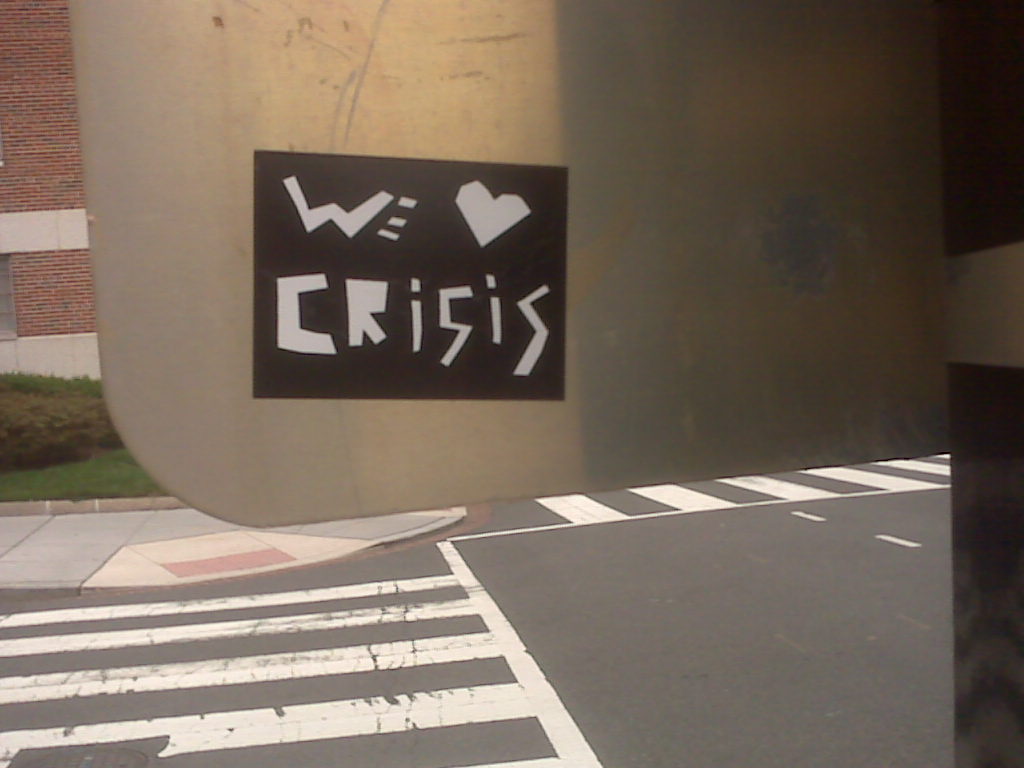
I’ve never understood the t-shirt saying that “it’s all good.”. It just isn’t. This morning I found myself near to tears reading the news of violence, greed, malice, and willful indifference.
I do believe that we need to do our best to respond to everything we face with the greatest good we can offer. The ability to respond from spacious, illuminated awareness for the good and to discover the possibility of good in the most difficult and abhorrent is what yoga and meditation–or any other spiritual discipline–makes progressively more possible. No amount of yoga will make me love crisis, but it will make me better able to experience and offer love when in crisis, so I hope.
Peace and light, E — Posted with WordPress for BlackBerry.
I love the Vogels’ story. It is wonderful to witness such an exquisite balance of passion and moderate living. Sometimes there is not much of a why for a thing. “I just like art,” Mr. Vogel said in 1992. “I don’t know why I like art. I don’t know why I like nature. I don’t know why I like animals. I don’t even know why I like myself.”
You may need to cut and paste this link into your browser to see the story:
http://www.washingtonpost.com/local/obituaries/herbert-vogel-unlikely-ar
t-collector-and-benefactor-of-national-gallery-dies-at-89/2012/07/22/gJQ
ANqOf2W_story_2.html
Think of things/activities you like or which inspire you to passion. Can you really identify why you have come to have and develop certain likes or passions among multiple things all worthy of passion (as distinguished from providing after-the-fact explanations of why such things are worthy of your passionate attention and devotion of time and energy–for example, yoga)?
Peace and light, E — Posted with WordPress for BlackBerry.

Peace and light, E — Posted with WordPress for BlackBerry.
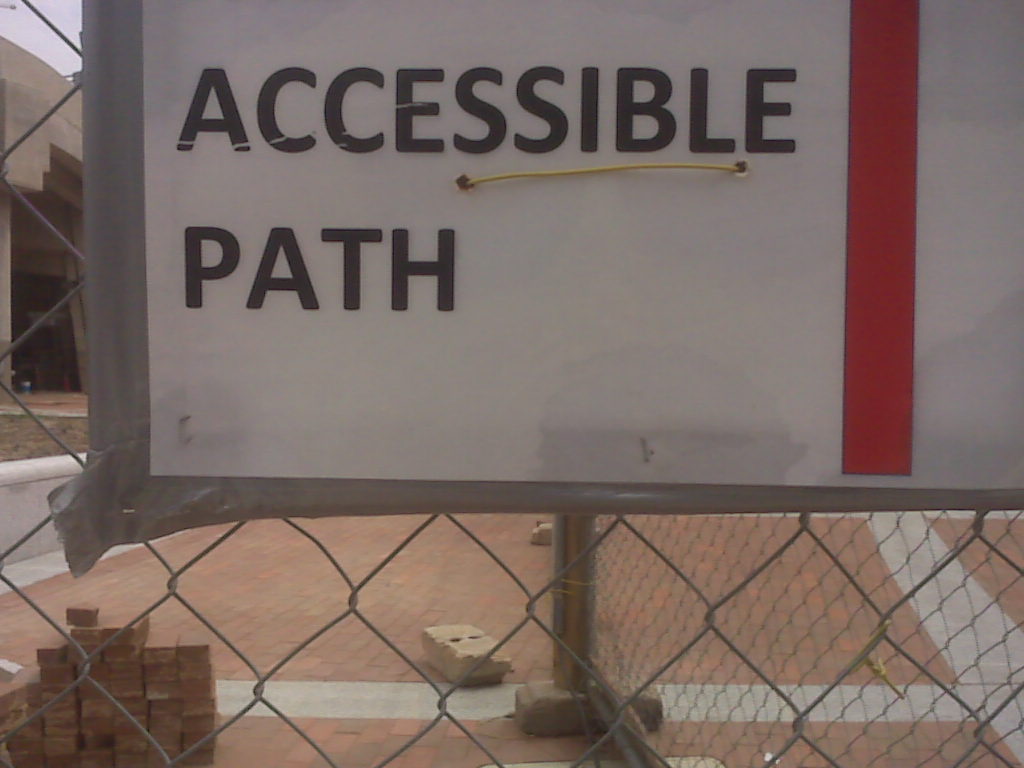
The yoga texts speak of a number of paths to enlightenment–the instant one (for those who have spent many previous lives on the path), the path of action, the path of knowledge, and the path of devotion. They are not completely separate. They intertwine and support each other. Individual practitioners do, though, tend to find themselves drawn more to the methods of one path than another. We have the greatest likelihood of staying and progressing on the path, if we do not fight with the practices, but go with what suits our nature.
That being said, it good also to challenge ourselves by trying practices that push our buttons. Those are the practices that truly give the opportunity to learn to be grounded, at peace, and centered in the face of frustration and discomfort.
Peace and light, E — Posted with WordPress for BlackBerry.
I saw these first, two blocks aways from the the rest (see “Cast-Off Objects Around (2 of 2)”). Did someone select these from a larger group of cast-offs and then decide after carrying them down the street that in fact she did not want or need them and discarded them, too? Or was there some kind of energectic convergence that led two neighbors a couple of streets apart to cast off the same kind of books at the same time?
An inquiring mind might ask these questions and then inquire of itself whether there was any need for either the questions or the answers.

Peace and light, E — Posted with WordPress for BlackBerry.