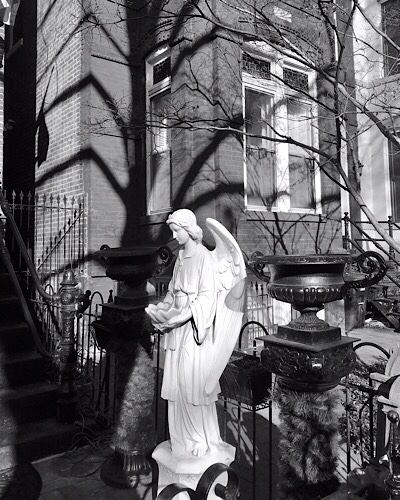
Late Season Marigolds
Peace and light, E — Posted with WordPress for BlackBerry.
Rosa’s Pizza is on the Long Island Railroad level of Penn Station. To my best recollection, it has been there since before I started taking the LIRR regularly in the early 1970s, and I still go there occasionally when I connect through Penn Station to visit my parents a few times a year. Rosa’s makes an eggplant slice that tastes like eggplant parmigiana on decent pizza crust. Yup, it’s got cow dairy and gluten and lots of fat, but it is one of those foods that is so strongly associated with both place and belonging for me that it gives me great delight to eat it once or twice a year.
When I was meditating yesterday morning, I had a vision of myself jet-lagged and groggy from landing in JFK and taking the train from the airport to Penn Station to head home after two and a half weeks of a study tour led by Professor Douglas Brooks of Tamil Nadu (including Chidambaram), which I am planning to do at the winter holidays. In this meditation moment, I was ecstatically happy to be eating an eggplant slice from Rosa’s after taking my seat on Amtrak. I enjoyed the moment and then let go of this reverie to slip deeper into meditation.
At work, I told a friend of mine about this vision. He said that was not the right approach to a trip to India — shouldn’t I be eagerly anticipating what I would experience in India itself? I begged to differ. The excitement and anticipation of what I will see and experience and learn is a given. It was sweet to have pierce my meditation how happy I will be to return home. It helps me remember that for all the ups and downs of my choices, I am comfortable enough with them to be finding meditative bliss in the idea of something that is part of “home.”
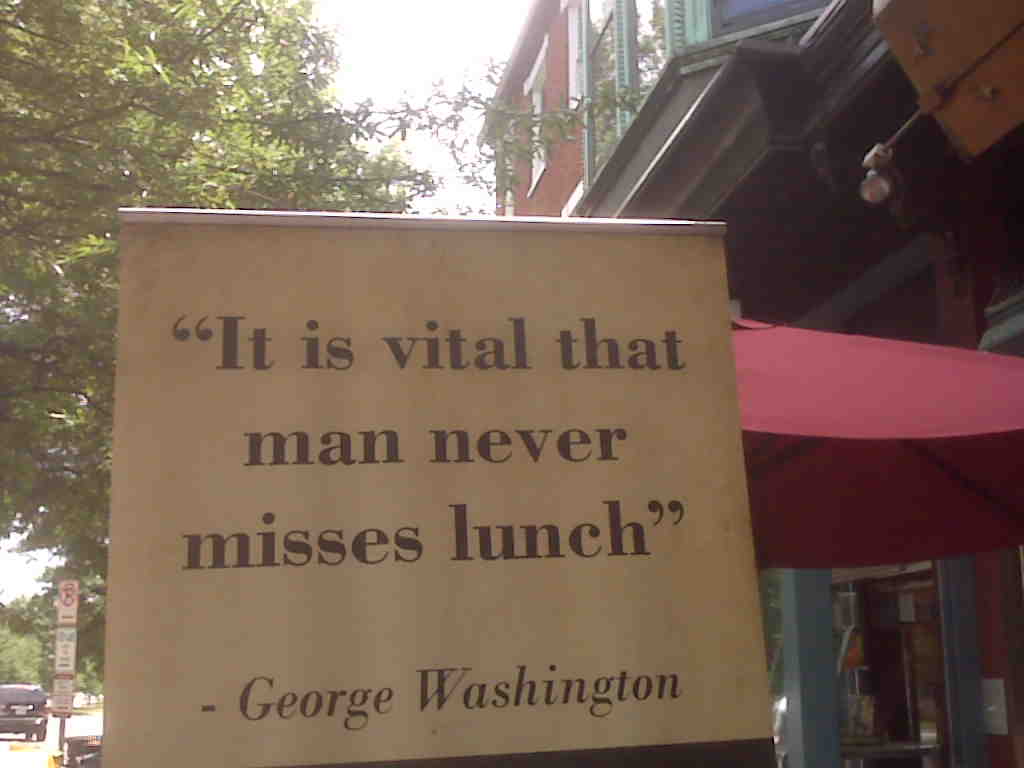
Imagine what our world would be like if we based our societal structures on the premise that every being should never have to miss lunch.
Peace and light, E — Posted with WordPress for BlackBerry.
Yoga clothes–check
Meditation shawl– check
Hiking boots–check
Head lamp–check
Bathing suit–check
Insect repellent– check
Will be on retreat. Not to escape, but to reinvigorate and reconnect so that I can be more fully present and available for work and community and seeking to change what is possible on my return.
No cell phone service until Monday. Will have stories, I’m sure, when I get back.

I took a few moments in the middle of my work day to go outside to walk and then to sit quietly.
I found it rather tranquil to watch the gentle waves on the reflecting pool on the west side of the Capitol building.
The reflecting pool was then a better tool for inner reflection when it wasn’t reflecting an image of what is outside of and next to it–as glorious as it is when it is offering up a picture perfect reflection of the Capitol dome and its surroundings. Hmm.

Peace and light, E — Posted with WordPress for BlackBerry.