Questions Around Town
What does it mean to practice yoga asana? Who gets to do it? What does it mean to be good at it?

@ Liz Lerman Dance Exchange, 9/19
What does it mean to practice yoga asana? Who gets to do it? What does it mean to be good at it?
@ Liz Lerman Dance Exchange, 9/19

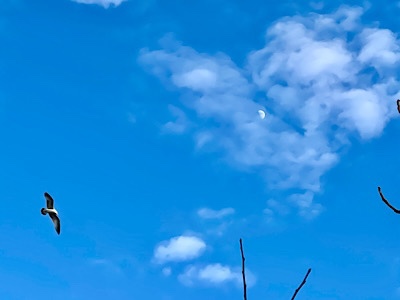
The clouds are thin; we need rain. But not too much.
May your new year and decade be abundant with peace and light. For locals, please join me tomorrow at Capitol Hill Yoga (suitably mid-afternoon for those who like to revel until the wee hours on the eve) for “Flow Into Grace” a special intention-setting all-levels flow practice, followed by yoga nidra. Register on line at Capitol Hill Yoga or just come and register in person. Hope to see and hear from you all soon.
Daffodils and tulips have arrived in the shops. If you’ve forced bulbs (I didn’t this year), they are blooming (give or take a few weeks). The arrival of the Dutch flowers and the forced blooms lets us know that spring is soon to arrive. If you look carefully, you can see that the early bulbs are starting to come up. If you are lucky enough to have them growing in your garden or a neighbor (who wants to share), it is a great time to bring in forsythia and pussy willow cuttings for forcing.
How wonderful to enjoy these harbingers of spring in the last few weeks of winter. I get a similar feeling when I am given an assist to be able to do a yoga pose that will be out of reach for me to do by myself for some months or perhaps longer. When an assist opens me to an understanding of how I can grow, just as the arrival of the dutch bulbs and the forced flowers give an early reminder of spring, my heart opens. Given this inspiration, this understanding of the possibility of growth and flowering, I am inspired to turn around and share this delight with others. How could I not want to share?

Peace and light, E — Posted with WordPress for BlackBerry.