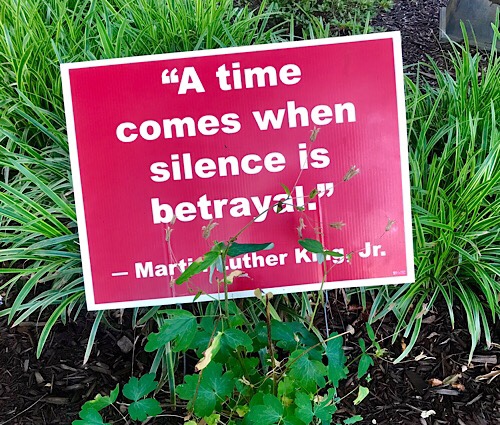
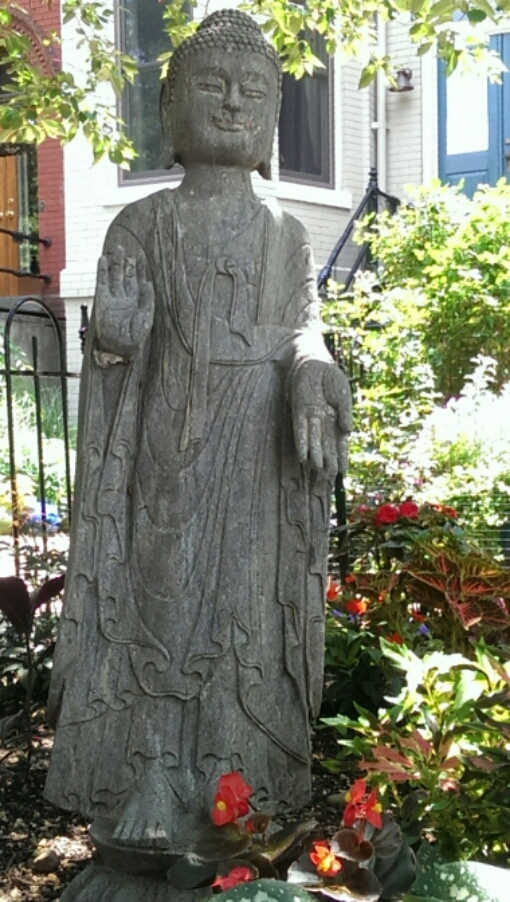
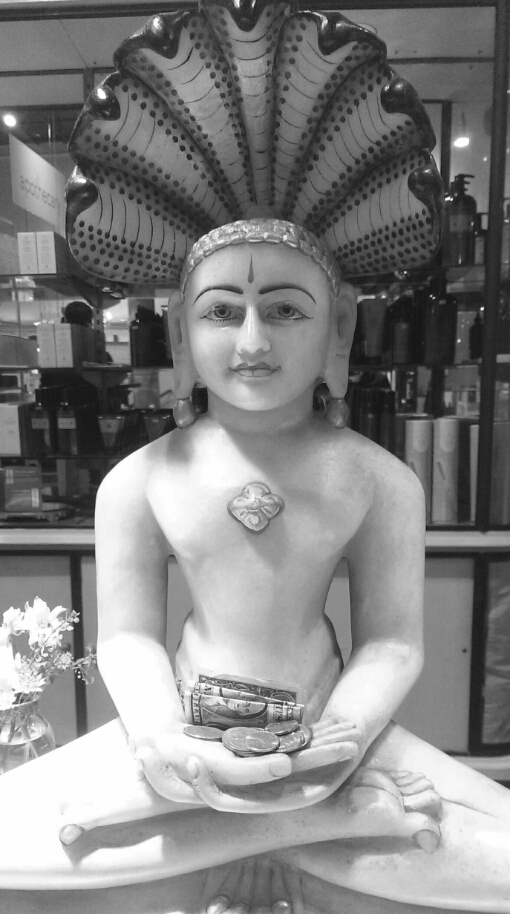
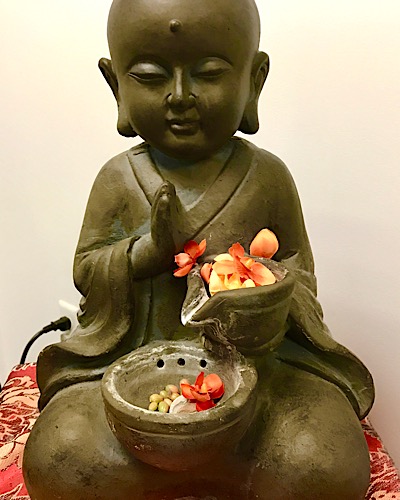
Pujas Around Town
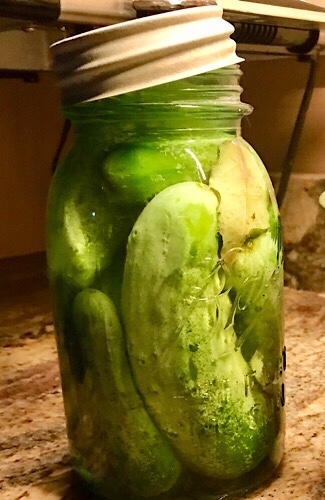
Started another batch of cucumber pickles.
I was working with photos today and came across this shot a friend took a little over a year ago. Long gone is the memory of exactly why I did not stay fully in the pose. Perhaps this was the beginning, and I was planning to plant my hand, lift my shoulder and hug my shoulder blades onto my back, and then do enough inner spiral and kidney loop to float off the ground. Possible, as I have been known to get into asta vakrasana going from the ground up. More likely, my exit strategy of the moment was releasing all the way to the floor. What I like about this picture is that it shows me having a really good time, not me being a failure for not being perfectly in the pose. Though it is always worth striving for the best we can do, for most things in life, the best we can do is try for the full pose and then find the joy and the beauty when we don’t end up embodying our notion of what should have been.

It was just approaching the deep dark of the solstice when I left for places warm and light. Last week, when I got home, just by comparison to the sultriness of southern India, it felt dark. This morning, though, I noticed earlier morning light. When the wake up call sounded, I was deep in a rather wonderful dream in the violet-tinged landscape of the American southwest. As I had an early meeting at another governmental agency that required me to walk 10 blocks further than my usual walk to work, and I did not want to miss my regular morning practice, I had to get up right away.
The light through my second floor skylight seemed softer than it had just a few days earlier. Instead of being absolutely dark, there was enough of a hint of dawn that there was no need to turn on the light just to walk downstairs. I thought perhaps a little of yesterday’s snow might have accumulated. No snow. It was just the first glimmer of the days starting to get longer. When I walked past the Capitol on my way to the meeting, I saw several robin red breasts. With global climate change, many of them now do not fly farther south for the winter.

Peace and light, E — Posted with WordPress for BlackBerry.