Signs Around Town

Maha
Maha
Old advertising tin for “Scent of Flowers” hair oil. Since 1919.
One of the things that I appreciate most about winter is being able to see the bare articulation of the shape of the tree in the absence of its leaves. A dormant tree looks very different from a leafless, lifeless tree. The dormant tree still has a vibrancy to it.
As I enjoyed the beauty of the trees in Stanton Park this morning on my walk to work, I thought about pratyahara (withdrawal of or from the senses), which is the fifth step of Patanjali”s eight-limbed path of yoga and the bridge between life and physical practice (the first four limbs consist of ethical observances and restraints, asana, and breathing practices) and meditation. I have been led to contemplate the practice and meaning of pratyahara since the last meditation retreat I attended.
From a renunciate perspective, pratyahara entails withdrawing from that which stimulates our senses. A renunciate would simplify and restrict what he or she takes into his or her system to free the mind from stimulation and make it easier to go into a space of meditation.
Being careful to eat lightly, avoiding the stimulation of electronic entertainment, finding a quiet place to sit, and shutting our eyes before we begin meditating is part of the practice of pratyahara that all of us who practice meditation do as a matter of course.
From a tantric perspective, I think pratyahara fits into our practice a little differently than for someone seeking to be on a reunciate path. We may definitely choose to minimize undue or excessive stimulation because certain types or amounts of stimulation feel out of alignment with our practices. For me, more than a certain amount of sense stimulation and certain types of stimulation can numb my celebration of and experience the spirit. Refining what I take into my system so I feel better able to live fully and celebrate and see the play of consciousness is different than renouncing objects that stimulate the senses or sense impressions themselves, as being less real than spirit. It is not renouncing things as unreal; it is picking and refining what to experience to better recognize and remember spirit. For the great siddhas, withdrawal from stimulation would not be necessary because they do not lose sight of spirit by either the cravings of the senses or being overwhelmed by reactions to stimulation of the senses.
The trees seemed to me this morning to help elucidate this principle. The trees aren’t acting out of ego or greed or yearning to find happiness from the outside because of an emptiness on the inside. They are always open to the light and the rain. In winter, when they are dormant, they are not reaching for the light and rain or hungering for spring. They are there in all of their beauty open to receive nourishment when it comes. In spring, when the leaves start to bud and open, it is because of the light and the rain, but the essence of being a tree does not change or get distorted by going inward and resting or by opening to burgeoning growth.
When we can simply open to all that is around us as spirit (beyond my capacities except at the rarest of times), then we can be open to the fullness of what stimulates the senses and still be practicing pratyahara. As long as we are swayed from the recognition and delight of spirit by stimulation of the senses, then we need to practice withdrawing on a grosser level to help us find the space of still being where we can be in the world of the senses without being tangled up and bound by it as such.

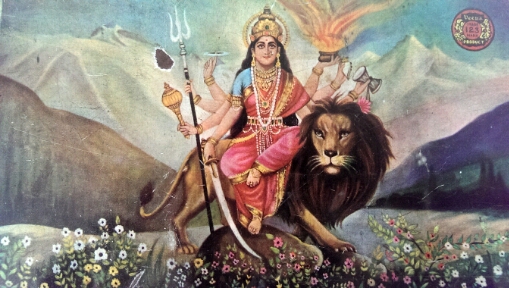
In which I encounter some more of the 330 million gods (mas o menos).
(Notes: (1) Hindu philosophy speaks of 330 million gods, i.e. a bigger number than we can actually get our minds around, one for every person, giving room for a complete diversity of belief. While I don’t believe in “God,” I have no problem with the idea of 330 million gods, none more exclusive or correct than any other, with no permission to use of the concept of “God” as justification for murder, physical harm, repression, or suppression of expression because of societal or family of origin privileging any particular belief. (2) “Maya,” which in Sanskrit not Spanish, literally means to measure, is the tattva that is the bridge between the universal and the manifest. The “universal” is immeasurable; what we think of as manifest is always measured in space and time. The distinction between how the tantrikas and other yoga philosophies interpret the concept of maya is for your own research or another day. (3) The number 108 refers to Shiva.)

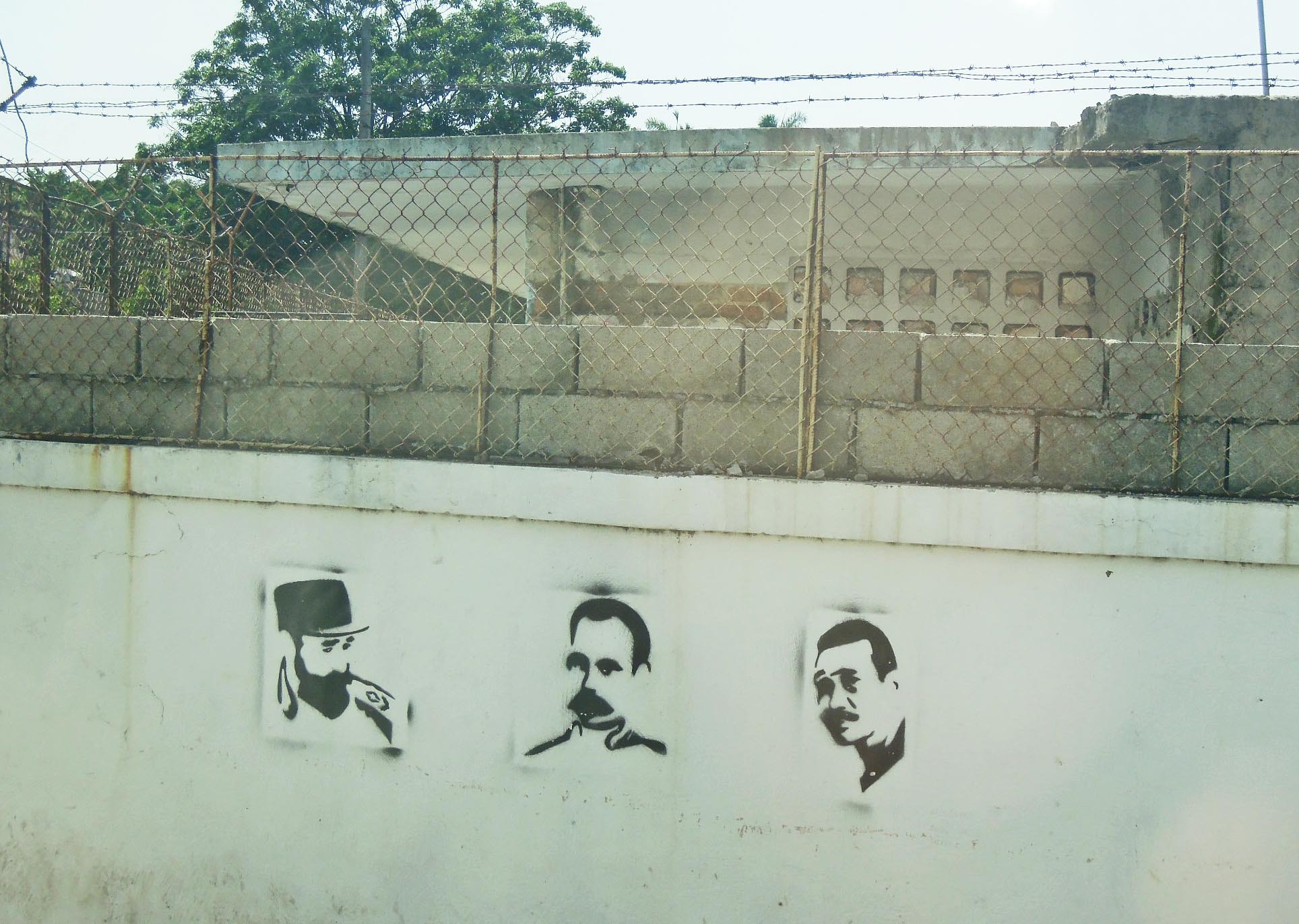


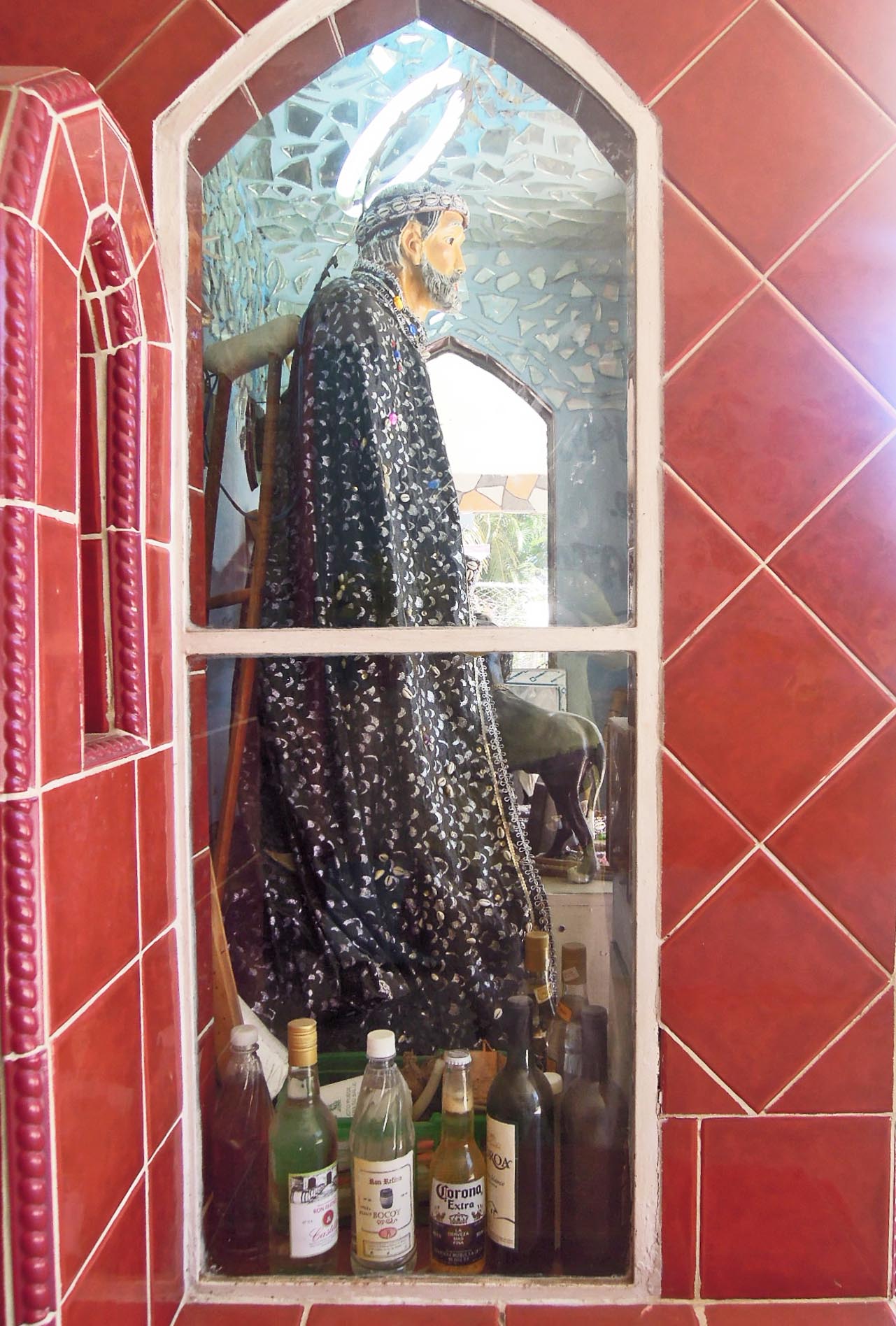
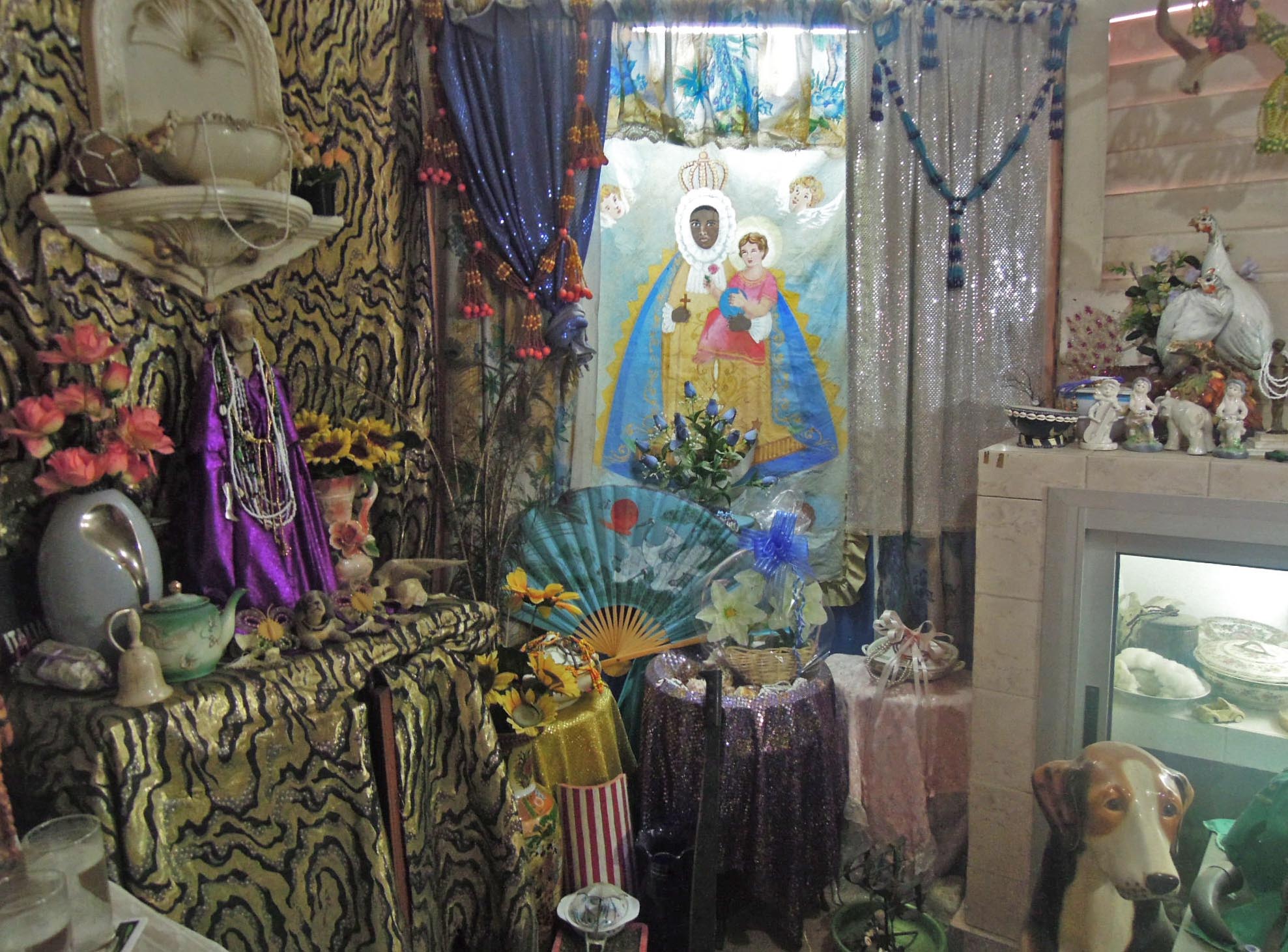
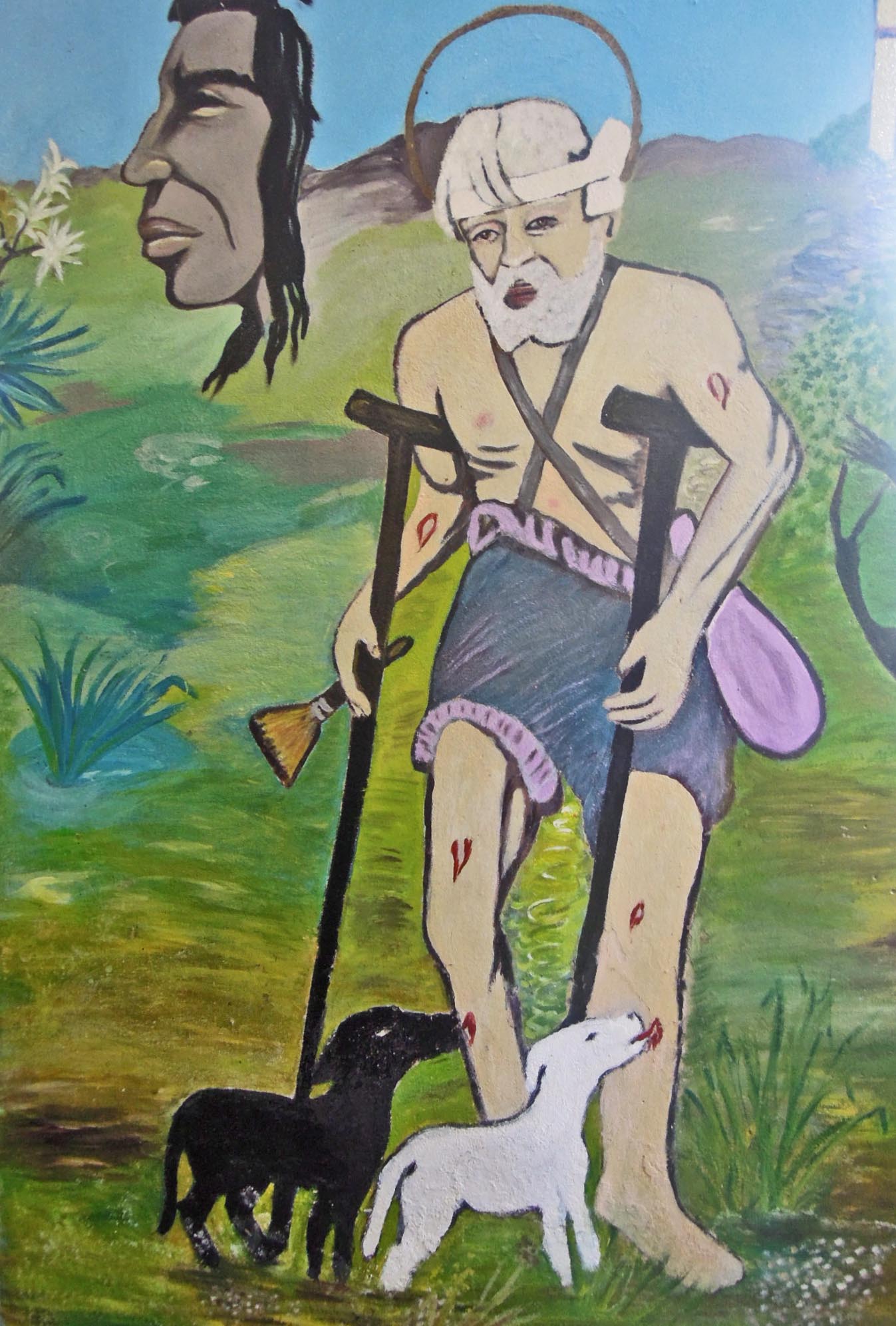
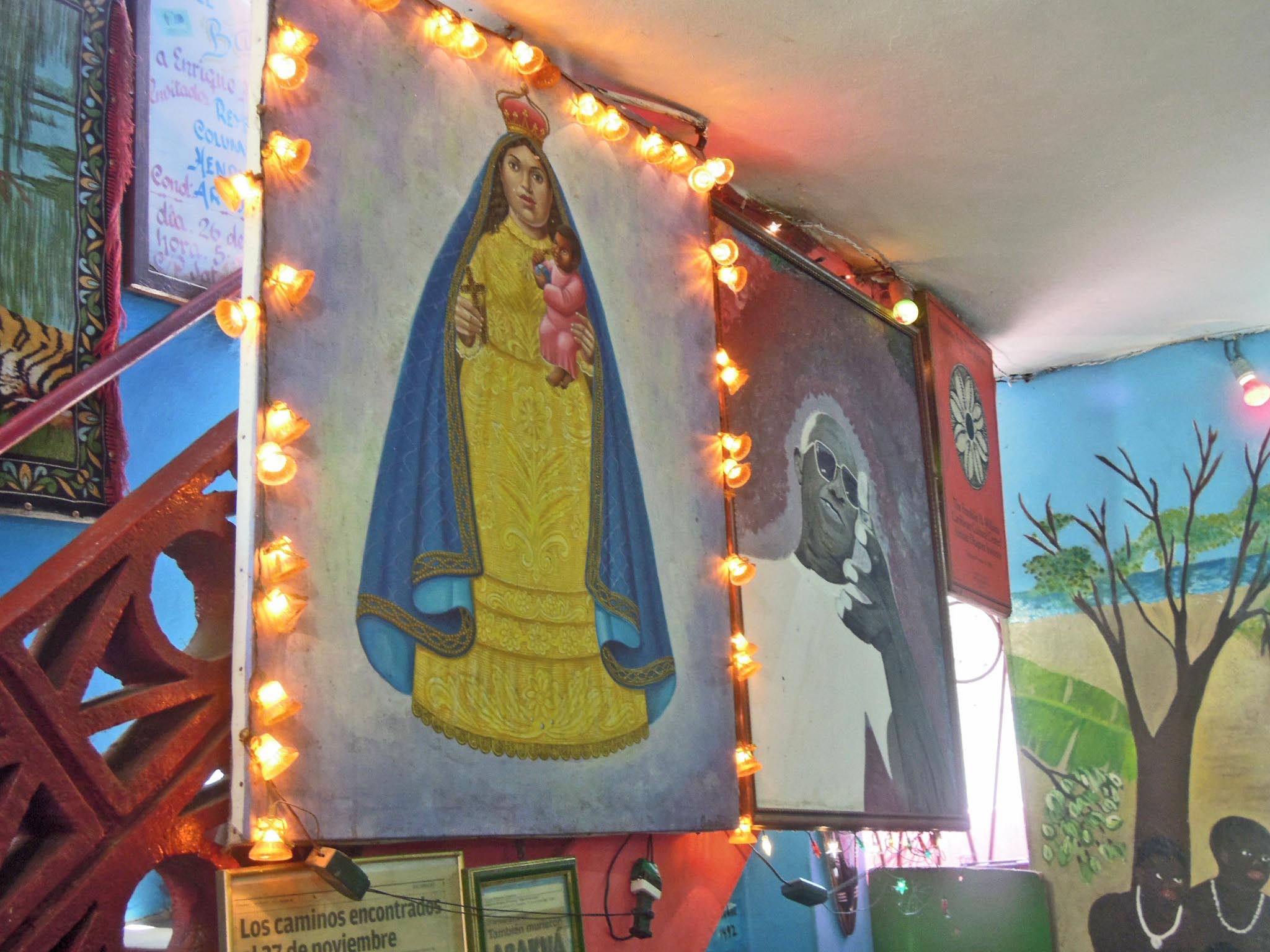

Reading today’s article in the Washington Post, “Women Fight for Access to Sacred Places in India,” and appropo of my recent blog post on Ayyappa, reminded me of what led me to the law. I am conscious that relative to most of the billions of women on this planet, I have had extraordinary opportunities.
I think I have a responsibility to live to the fullest the opportunities I’ve been fortunate enough to have. And I think that part of that responsibility is to make my own contribution to eliminating injustice and to keep working with creativity and dedication and passion, while ultimately, like Arjuna in the Bhagavad Gita and his right action, letting go of the result, knowing I am not in control of any particular outcome or sequence of events.
What is your story? The opportunities explored? The barriers that need not have been there?
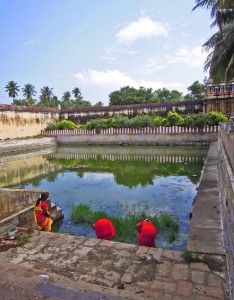
Shakti Pilgrims, Tamil Nadu, India, 12/11
I have been cleaning out old files. Mostly I keep my drawers and closets relatively free of clutter and the unnecessary, but there are occasional pockets that have lived on because they were not a priority and neat enough. Found among postcards and letters from friends was one I received from a friend of a friend in October 2001. I never got to know her well. My friend has since moved out of the neighborhood and his friend moved back to Germany several years ago to start a family. Here is what she sent:
a picture from India [not shown] and a saying for you —
Live with intention
Walk to the edge
Listen hard
Practice wellness
Play with abandon
Laugh.
Choose with no regret
Continue to learn
Appreciate your friends
Do what you love
Live as if this is all there is.
A super sweet message. Now that I have shared it, I will recycle the original piece of paper. Thank you Uta. I hope all is well.
This morning Maitri and I participated in Quaker silent worship with Friends Meeting of Washington via Zoom. I have friends offering for the first time, or expanding their offerings through various on-line platforms, of both meditation and asana practices.
For those of us able to do so, it is critical to stay home to slow contagion and alleviate burden on our already stressed by poor and inequitable policies health care system. It is also critical to reach out to elected officials and into our own means to help others be able to stay home and get any needed care.
What capacities for adaptability and generosity might we find in this situation?