Art and Culture | Community and Family | Food for the Mind (Yoga Philosophy, etc) | Meditation | Photos | Poetry
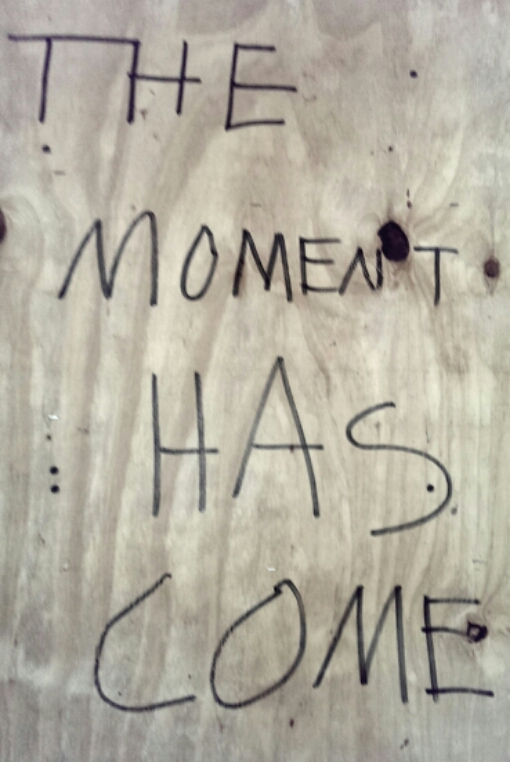
Signs Around Town
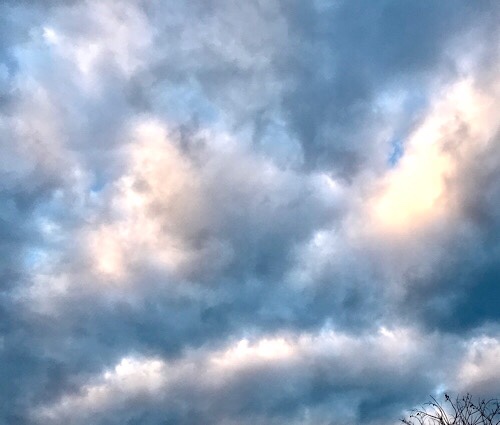
The sky was spectacular this morning. Although it is hard to get myself out of the house at 7, it is a wonderful time of day to walk and watch the sky. Without the requirement to be across town by 8:30, will I get myself out first thing and lengthen my morning walk to work? I think yes, but not tomorrow.

(yourself and your loved ones)
Dear Friends,
What splendid fall mornings we are having. The neighborhood dogs are frisking in the park and the fall colors are starting to show. It is time to make tomato sauce and pickled peppers with the last of the summer harvest and continue planting greens (containers are great if you don’t have much space) for some fresh eating through December. Now is also the time to start shifting to a more introspective practice, seeking inner illumation as the days get shorter and the nights get longer.
This Fall, classes will concentrate on refining the principles of alignment to more sweetly and deeply appreciate your own inner light.
Join us any Tuesday night on a drop-in basis at William Penn House — bring a friend for a delightful all levels experience.
It’s not too late to join the Willow Street Fall session — Saturdays at 8:30 level II or, if you need a gentler practice, including a therapeutic focus, try the noon Gentle/Therapeutics class. Drop-ins always welcome.
October Serenity Saturday (October 17th, 3-5pm) is just around the corner. Sign up early to get the Capitol Hill Yoga early bird discount!
Starting to plan the holidays? If you’ll be in town, make sure to plan to join me for the 7th Annual Thanksgiving Day Fundraiser for Oxfam, which will again be at Willow Street in Takoma Park Thanksgiving morning. It is a great way to start the day and bring a focus of gratitude to this day of abundance. As always, in or out of town guests, friends, and family welcome whatever their experience level.
For the Wednesday night practice, October’s charity will be the Whitman-Walker Clinic to honor its work in providing health care in some of DC’s neediest communities and to help send energy for universal health care. I’ve decided that I have so much fun with these practices that in addition to donating all the proceeds, I will donate to attend too!
As always, feel free to email me with questions, comments, suggestions, or just to be in touch.
Info on all classes and workshops at www.rosegardenyoga.com.
Peace and light,
Elizabeth

 m
m