Similar Posts
- Asana, Pranayama, and Yoga Practice | Food for the Mind (Yoga Philosophy, etc) | Gardening | Meditation | Photos
Bare Bones of the Trees (and Pratyahara)
One of the things that I appreciate most about winter is being able to see the bare articulation of the shape of the tree in the absence of its leaves. A dormant tree looks very different from a leafless, lifeless tree. The dormant tree still has a vibrancy to it.
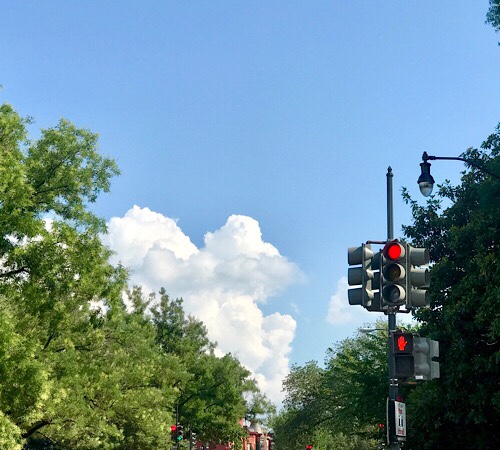
As I enjoyed the beauty of the trees in Stanton Park this morning on my walk to work, I thought about pratyahara (withdrawal of or from the senses), which is the fifth step of Patanjali”s eight-limbed path of yoga and the bridge between life and physical practice (the first four limbs consist of ethical observances and restraints, asana, and breathing practices) and meditation. I have been led to contemplate the practice and meaning of pratyahara since the last meditation retreat I attended.
From a renunciate perspective, pratyahara entails withdrawing from that which stimulates our senses. A renunciate would simplify and restrict what he or she takes into his or her system to free the mind from stimulation and make it easier to go into a space of meditation.
Being careful to eat lightly, avoiding the stimulation of electronic entertainment, finding a quiet place to sit, and shutting our eyes before we begin meditating is part of the practice of pratyahara that all of us who practice meditation do as a matter of course.
From a tantric perspective, I think pratyahara fits into our practice a little differently than for someone seeking to be on a reunciate path. We may definitely choose to minimize undue or excessive stimulation because certain types or amounts of stimulation feel out of alignment with our practices. For me, more than a certain amount of sense stimulation and certain types of stimulation can numb my celebration of and experience the spirit. Refining what I take into my system so I feel better able to live fully and celebrate and see the play of consciousness is different than renouncing objects that stimulate the senses or sense impressions themselves, as being less real than spirit. It is not renouncing things as unreal; it is picking and refining what to experience to better recognize and remember spirit. For the great siddhas, withdrawal from stimulation would not be necessary because they do not lose sight of spirit by either the cravings of the senses or being overwhelmed by reactions to stimulation of the senses.
The trees seemed to me this morning to help elucidate this principle. The trees aren’t acting out of ego or greed or yearning to find happiness from the outside because of an emptiness on the inside. They are always open to the light and the rain. In winter, when they are dormant, they are not reaching for the light and rain or hungering for spring. They are there in all of their beauty open to receive nourishment when it comes. In spring, when the leaves start to bud and open, it is because of the light and the rain, but the essence of being a tree does not change or get distorted by going inward and resting or by opening to burgeoning growth.
When we can simply open to all that is around us as spirit (beyond my capacities except at the rarest of times), then we can be open to the fullness of what stimulates the senses and still be practicing pratyahara. As long as we are swayed from the recognition and delight of spirit by stimulation of the senses, then we need to practice withdrawing on a grosser level to help us find the space of still being where we can be in the world of the senses without being tangled up and bound by it as such.
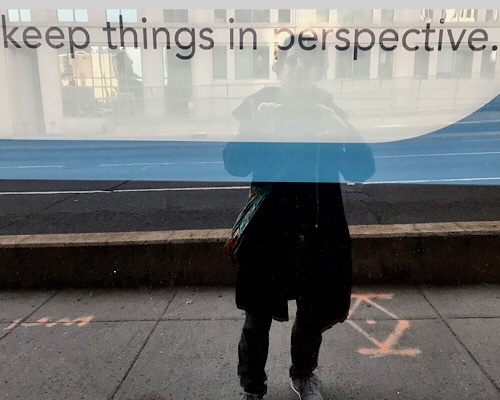
Found Quotation
This resonates as one of many reasons of why photography is a meditation for me .

Aphids (and limitations)
Even though we had real, hard frosts this winter, there are already aphids on my roses. I went out this morning and picked the aphids off of the new buds — yes, my roses are budding. It was too cold to stay out long, but I did a little weeding and planted a couple of pots of pansies.
I was thinking about how I garden in my tiny space — using my fingers to take the aphids off of each rose bud, pulling up individual weeds between new plants in containers, choosing to let some volunteers come up between bricks because it expands my planting area. How different it would be if I even had a small yard by suburban standards. It would not be possible to attend to all the detail that I see, unless I were to spend every waking hour in the garden. If I had an acre, it would take three full-time gardeners to attend without tools and sprays the small things I touch by hand.
It seems we make our world as big or as small as we want it. My tiny garden is as much a universe for me as a gardener as would be an acre garden — though of course I cannot grow sprawling things like melons and potatoes and fruit trees.
But the fullness of how much I see and experience, how much calls out for love and attention, how much I am enriched by tending and observing what is there, is not diminished by what I do not have. Rather, I am called to expand to the greatest what I have within my limits. This is true, too, in our yoga and meditation practice, and our lives. We can choose to live expansively no matter what our limits or we can choose to feel bound and diminished by our limits. The garden, this morning, helped me remind myself of that choice. It helped me turn towards possibilities for growth instead of towards constriction.
- Art and Culture | Asana, Pranayama, and Yoga Practice | Community and Family | Food for the Mind (Yoga Philosophy, etc) | Photos
Found Exhortation (with Commentary)
This bumper sticker (on an enormous black SUV with suburban plates) is likely intended to have only a message about the current wars in which the US is engaged. I wholeheartedly support the sentiment at that level.
What if we took it at other levels? What if we applied it to spiritual-religious practices? We could interpret this as suggesting that we honor the great teachers who have gone before us, invite religious observance and spiritual practice to heal ourselves and others, and dissolve notions of differences among religions and spiritual practices as bases for conflict. How many wars between countries or civil wars would end if saw unity while still honoring difference in this regard?
Perhaps most cogent for the yogi: what if we thought of the exhortation in terms of our own personal practice? It would be an invocation to honor our ancestors, heal the wounds of our family and upbringing (samskaras), and release inner conflict. This is, I think the point of practicing (whatever the style of practice) so that true peace can abound.
Peace and light, E — Posted with WordPress for BlackBerry.