Art and Culture | Asana, Pranayama, and Yoga Practice | Food for the Mind (Yoga Philosophy, etc) | Meditation
Shiva and Parvati Variations


When I selected Oxfam to be the donee of the proceeds from my first Thanksgiving Day Yoga Fundraiser ten years ago, I took into account that its mission is to “create[] lasting solutions to poverty, hunger, and injustice,” which seemed to me deeply related to what I believe is the best aspect of the history and tradition of making a holiday of thanks giving (leaving aside the shadow side of the history). Last night, when I was writing the newsletter inviting all to come and join me for the fundraising class, I thought about whether some readers would wonder why the donee of the proceeds wasn’t being changed to the Red Cross or Doctors Without Borders or other reputable organizations that are out in the field helping those known to us who are closer to home and are still suffering from the ravages of Hurricane Sandy.
Over the past few months, in ever increasing quantity as the elections approached, I received several emails a day and sometimes in an hour (and if I had been willing to answer the phone, calls) pleading for me to donate money and time. For some, it was asking again and again, even though or perhaps especially because I had given generously already. In the face of an unexpectedly large disaster, we cannot help but wish we could do something to help. Not surprisingly, I am feeling a little of what they call in the business “donor fatigue,” and I expect that many others feel the same. It is important, when faced with urgent cries for help, to remember that the preexisting calls on our resources have not gone away (newspaper reporting and the absence thereof notwithstanding). I do not question for a minute that those who are able to do so should share some resources with those whose homes and lives have been turned upside down by Hurricane Sandy, but it is also important to remember and continue to support the causes that are not today’s news.
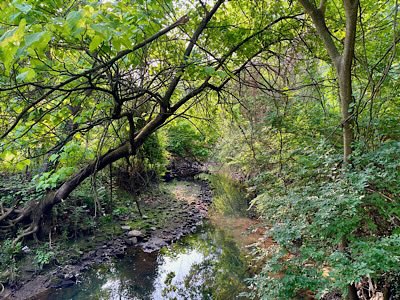
It was beautiful today at the Arboretum, and I was glad to be there. I also noticed, along with other signs of impending drought, how low are the water levels for this time of year. I have been working on making my garden more water efficient.
|
|
Dear Friends,
I hope you are having a rich and full summer.
To celebrate the yoga with John Friend, the delightfulness of the Pacific Northwest, and to get a break from routine — in a word to take a vacation — I will be out of town next week.
While I am on break (September 1st and 2nd), no Wm Penn or house classes. They resume as usual on Tuesday, September 8th.
There are wonderful subs for Willow Street classes this Saturday, August 29th, but there are no classes at Takoma Park, Willow Street, Labor Day weekend (Saturday, September 5th).
Upcoming: Free class week at Willow Street on September 12th. Start of the new session September 19th.
Serenity Saturday, September 19th.
See you soon.
Peace and light,
Elizabeth
Yesterday (latest in the season ever — see interesting articles in the New York Times last month about Thoreau as a climatologist) I spent the morning bringing all my tropical plants inside. Part of the reason it was later is that I have learned that the orchids and night-blooming cyrius like nights in the low 40s and can tolerate the occasional single night in the high 30s, but most of it is that it is a warmer season than any in the decade I’ve had a significant number of tropical plants. I also bring inside the lemongrass and lemon verbena (annuals here; perennials where they are native). I also like to bring in rosemary in a container. Also, what were once small plants in growers pots are now a huge jasmine and a bay tree. When I bring all of this inside in the winter, I transform the house into a retreat. When I bring it all outside in the early spring, my tiny yard is full and lush before the annuals start flourishing.
Once the tropicals were all inside, I cleaned up, tended the beds and containers, and strew some more winter kale and baby spinach seeds (no frost in the forecast for the next 15 days — so I could have new kale and spinach through December; also, some of the seeds will wait and be the early ones that come up during that warm week we always have in February).
Putting the garden to bed has a sweetness to it. I prepare for next year, but also engage in tending what will flourish best when the days are coldest and shortest. It is a going inside, knowing that there is a need to go inside and let some things be dormant in order to flourish fully when the sun is bright and hot and calls me outside.
This type of gardening is stressful for the lower back, hips, and shoulders. Throughout the hours I am gardening, I like to engage my alignment by intermittently doing some poses, strongly integrating my shoulders, hips, and core: working strong “shins in/thighs out” I practice uttanasana (standing forward fold), utkatasana (chair pose), and adho mukha svanasana (downward facing dog), and maybe even handstand. It is critical to make sure not just to bend from the knees, but also to make sure you have a good lumbar curve and your tailbone is tucked, when picking up containers or other heavy objects.
At the end of several hours of gardening (bringing the tropicals inside also entails vaccuuming), I need to realign, stretch, and reintegrate, but I’m tired. I also want to practice in a way that honors and celebrates the sweet inward nature of the work I have just done. This is what works well for me:
1. Seated foot massage.
2. Balasana (child’s posture) with arms stretched out, palms, forearms, and armpits lifted. Inhaling lift underside of arms to strenthen, exhaling soften between shoulder blades to integrate.
2. Chakra vakrasana (cat/cow breathing).
3. (putting the garden to bed sun salute): Table pose (if you make sure you have good lumbar curve, table is one of the best postures for making sure hips, back, and shoulders are aligned well); Downward facing dog (play in the pose to integrate and stretch the legs and arms and strengthen your core); Palakasana (plank);Table pose; Balasana;Table.
Repeat the series several times. Add in lunges (coming into the lunges from table). Add in twists from table, threading one arm through and coming down onto that shoulder). Add in pigeon pose (with a forward bend).
4. End with legs up the wall, a supported or seated forward bend or two, and savasana.
Enjoy how this practice nourishes and realigns, but generally draws the attention inside, getting you ready to enjoy the inside while waiting for the next growing season.
E
ps While I was practicing, I had a big vat of tomato sauce cooking from the last (perhaps second to last) harvest of cooking tomatoes.
I brought sprouted lentil and cucumber salad to a potluck dinner at a neighbor’s house last night. The host had spent a fair amount of time in the kitchen. I commented that perhaps it wasn’t right that I’d brought a salad that only took about ten minutes to prepare. Then I thought about what went into my preparations. First, I grew the cucumber. Then – sprouted the lentils. One of my friends said in response to my saying I’d sprouted the lentils, “Elizabeth, you know there are the Whole Foods and The Harris Teeter. You don’t have to make your own sprouts.”
(Oh, you can just imagine, dear reader, my initial unspoken response in my head.)
“Yes, I do know that,” I responded, but there are so many reasons to do your own sprouting.”
1. Especially in winter, home sprouts are the freshest greens you will get.
2. No salmonella with home sprouts. (This got an enthusiastic back up from a fellow guest who was now thinking maybe she should start sprouting.)
3. Cuts way down on plastic waste. Consider how sprouts are packaged for supermarket sale.
4. Cost savings–a very inexpensive food instead of one marketed as a high-cost gourmet specialty food. (The conversation took on a life of its own; I no longer needed to be the advocate).
The Recipe:
Peel and seed a cucumber or two. Cut into 1/2″ or slightly larger dice. Mince about 1/6 cup sweet onion or white and pale green part scallion (or more or less to taste). Add a couple of generous handfuls of lentil sprouts. Use more sprouts than cucumbers if serving as the main feature of a cool summer light meal instead of as a side salad. Splash with olive oil and then toss to coat. Add a little balsamic, red wine, or sherry vinegar. Toss again. Add salt and pepper to taste. I also added minced cilantro and jalapeno because the main course was enchiladas. For an Italian version, try with fresh basil and a little green or red bell pepper. For a Spanish style salad, use parsley and replace the vinegar with lemon juice. Think of your own variations and don’t be shy about sharing.
Note: If you would like to receive newsletters or previously subscribed, but changed your email or have not been receiving emails, please resubscribe directly through the website or send me an email and I’ll try to get you on the list. I do get some mysterious bounce backs.
I hope this email finds you well. I’ve been enjoying the decorative lights outside and candles inside as we move towards the Winter Solstice. Even with the excitement of the holidays, it is a great time to turn inward, to pause and refresh our remembrance and recognition of the light inside us all.
Many thanks to all of you who came to the Thanksgiving Oxfam class (in spirit as well as in person). Thanks to the generosity of Willow Street and all of you, we raised almost a $1,000 for Oxfam. All of you who come to regular classes help support the Wednesday night practice being 100% for charity. All fall, in recognition of one of the biggest issues of our day, the charities selected have been health-care focused, and I’ll continue that for December. If you have any suggestions for cause of the month for 2010, don’t hesitate to share with me.
Workshops:
December Serenity Saturday: Give yourself or a friend or loved one a holiday gift of sweet relaxation at the next Serenity Saturday, which is December 19th, 3pm-5pm, at Capitol Hill Yoga. Do a little local shopping or dining at Eastern Market and then join us for the delight of a deep restorative practice. To register, please visit www.capitolhillyoga.com. $5 discount if you register more than seven days in advance.
New Year’s Day Workshop: Flow into grace with an all-levels asana practice, followed by yoga nidra from 2-4 pm on New Year’s Day. Suitable for the well-rested and late-night revelers alike. Go to www.capitolhillyoga.com to register.
Classes:
Needing a little extra yoga or to get back into the swing: come drop in at William Penn House on Tuesdays at 6:15 for all-levels or at Willow Street on Saturdays (level 2 at 8:30am and gentle/therapeutics at 12 noon).
Holiday Schedule:
Willow Street is on break from December 21st through the end of the year. I’ll be teaching through December 19th and then teaching free classes as part of free class week on January 9th. Yes, there will be class at the William Penn House on Tuesday, December 22nd, but alas no class on December 29th.
As always, please visit the website at www.rosegardenyoga.com to get more information on classes and upcoming workshops and to enjoy the blog.
Peace and light,
Elizabeth