Working From Home Lunch
Chard, beet greens, garlic chives, baby radishes, herbs, flowers from the garden; pantry items
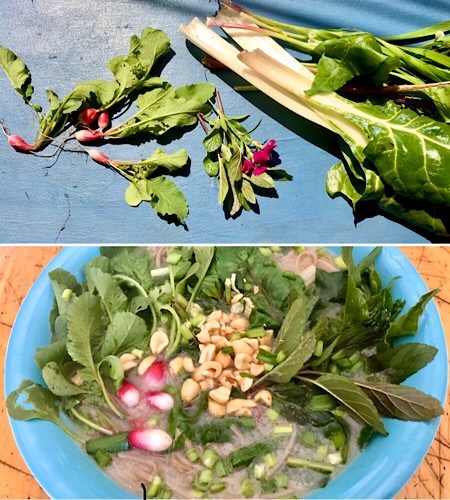
Chard, beet greens, garlic chives, baby radishes, herbs, flowers from the garden; pantry items
Pantry items, long storage organic cheese, greens from the garden.
As I eat these simple, inexpensive, nutritious meals, I ask myself:
How much do I need?
What kind of economy do I want to support for when we can go out again?
What kind of businesses, of food delivery systems, of community support and interaction?
I have reorganized my budget–not having eaten out or bought anything in weeks and thinking about how little I miss it except as a treat, and having already come within range of this as these dark times have been progressing, I have now dedicated a full bi-weekly paycheck to monthly giving. I am blessed to still have a steady paycheck, health insurance, and the knowledge to live well on a budget.
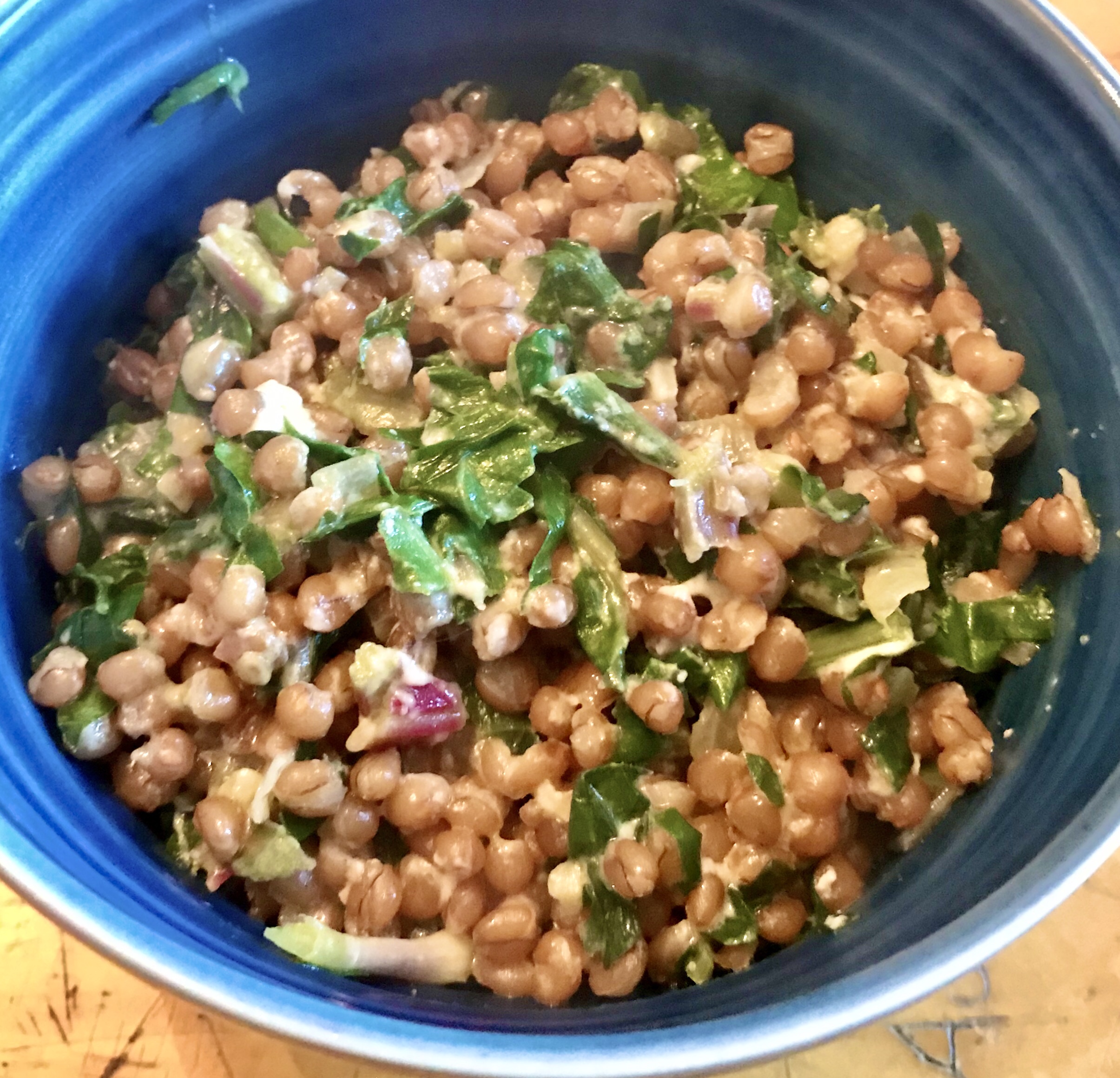
The young leaves of the Shasta daisy can be eaten like salad greens.

Chickpeas coarsely mashed can be treated like tuna or chicken salad. If all you have is a countertop, it’s still possible to grow your own sprouts. Pita bread was store bought and stored in the freezer.
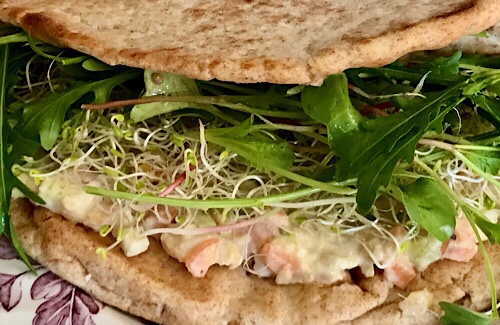
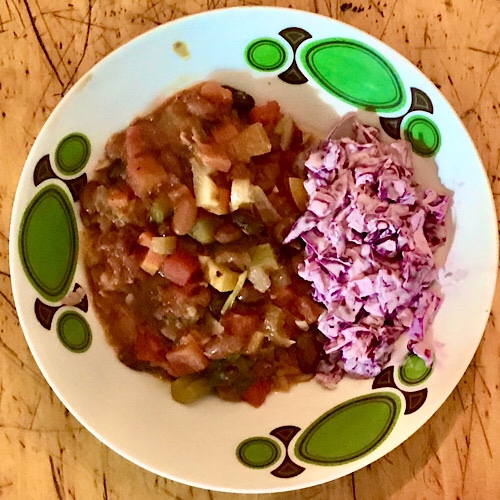
Pantry items, aging long-keeping vegetables, new things from the garden. Inspired by the title of a recipe in today’s Washington Post.

The beans were the last of last year’s beans out of the freezer, the squash was the last of last year’s squash. Everything else was a long storage vegetable or a pantry item.
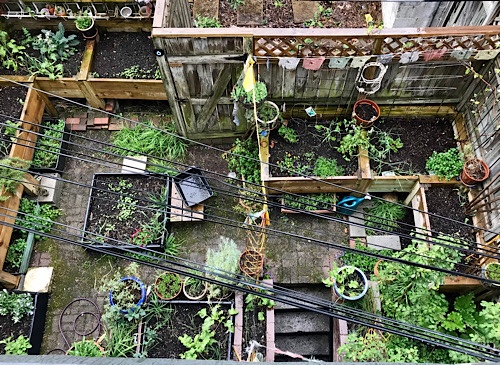
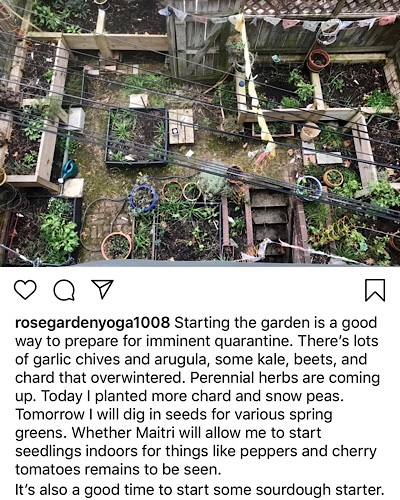
Growing some of your own food–even if just herbs on the countertop–connects us to the earth and the rhythm of growing things and to the place we are inhabiting. And if we all grew some of the basics, what needs to be shipped to us is reduced.
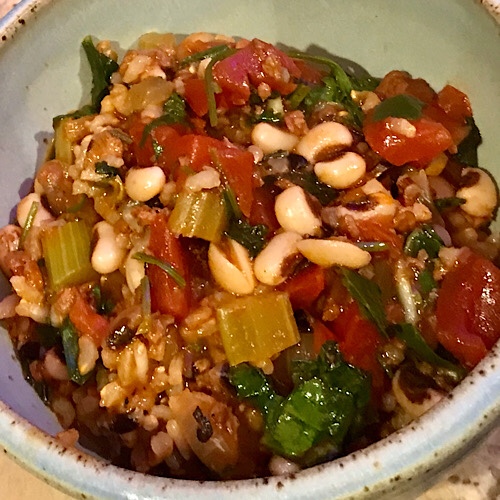
Hoppin’ John with the greens available from the garden