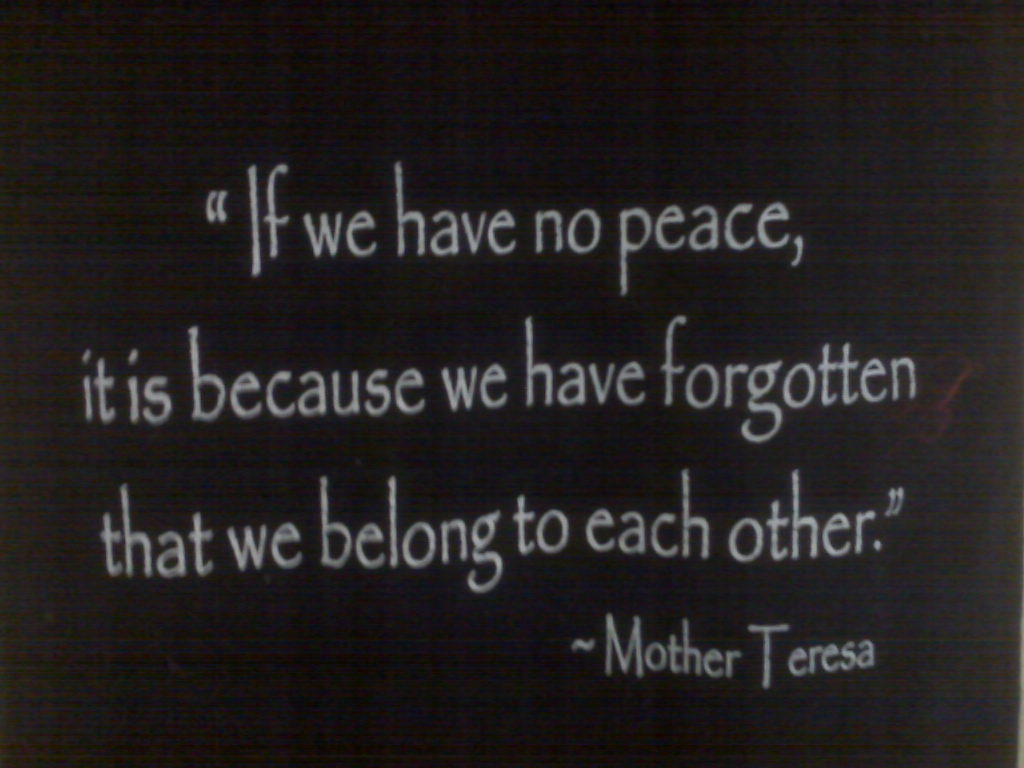
How do you react when you see signs of neglect, disinterest, disregard for the health and well-being of the earth and other beings? Do you get stuck in a sense of helplessness or rage? Do you think we’re all screwed anyway and decide no effort to make things better is worth it? Are you moved to political action? Are you moved to take better care of self, family, and friends, even if you think you cannot make much of a greater impact beyond your intimate circle? Can you remain engaged and still find joy, whatever the apparent immediate results and how hard the battle seems to be?
The Bhagavad Gita, says that to live a life of yoga, we must do the last of these. The first teaching from the Bhagavad Gita on this point is that we must live in accordance with our dharma (duty). The second teaching, and more important for having peace of mind in a life of duty, is that of “actionless action.” The true yoga is to live a life of action in accordance with dharma, but without attachment to the outcome (i.e., live in an orderly way, accepting the tendency of the universe to be chaotic).
Dharma in the Bhagavad Gita, of course, contemplated rigid roles in terms of livelihood and place in society. In the paradigm of citizenship in a democracy that does not so narrowly circumscribe one’s livelihood or place in society, I wcould argue that it is all of our dharma to participate as a citizen, voting, speaking out for our beliefs, and otherwise using the freedom we have to live a life that best supports the twins of individual and common good, including not just human good, but the whole ecology in which we exist. The actionless action part is to keep seeking (without despairing) to make things more in alignment even if the forces against healing, nurture, and alignment seem to conspire against positive results that we will see or actualize ourselves.
Are you registered to vote? Have you watered your trees? Casey Trees reminds us that this week in DC is dry; trees need about 25 gallons of water or 1 1/2 inches.