Asana, Pranayama, and Yoga Practice

Discussion of physical aspects of yoga (on and off the mat)

  • |

    Found Exhortation (and Ananda)

    We are unlikely to find bliss (ananda) if we spend our lives paralyzed by fear and stuck in our limitations. On the other hand, if we blast through life heedless of our limitations, we will be a menace to ourselves and others.

    When we cultivate impeccable awareness of how we are in time and space at each moment, then with the safety that such awareness brings, we will be most able to engage in the joyous possibilities of life.

    Peace and light, E — Posted with WordPress for BlackBerry.

  • | | |

    Found Exhortation (and Samskaras)

    Over the years, our minds and emotional selves get clogged with junk unless we do something to clear things out and to avoid repeating old negative patterns (in yoga–samskaras).

    Our bodies, too, get clogged with junk energies that take us off-balance and ultimately manifest as illness unless we take care to eat well, exercise, sleep regularly, and avoid undue stress.

    A home filled with junk has its own samskaras and can prevent us from dissolving and liberating those of mind, body, and spirit.

    Do meditate, live a healthy life, and surround yourselves with only that which cultivates a more beautiful and generous life. You will likely be happier for it.

    Peace and light, E — Posted with WordPress for BlackBerry.

  • Guest Bedroom Restorative Yoga

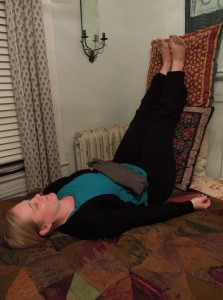
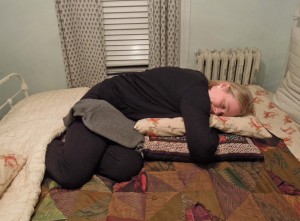
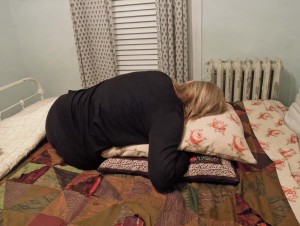
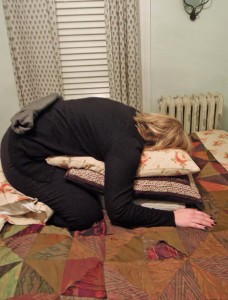
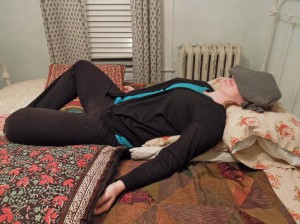
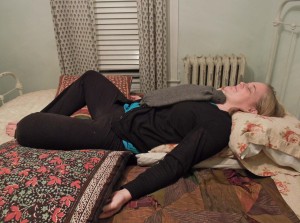
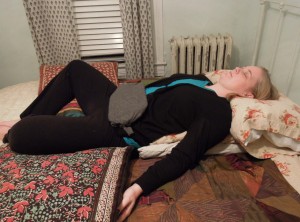
    Let’s face it.  When we are on travel and staying at someone else’s house or in a hotel and doing all the running around that comes with visiting or working or sightseeing out of town, we can get out of balance.  This disruption of routine can upset our sleep and our digestion.  You don’t need the exact collection of pillow shown in these photos.  The point is that you can use whatever pillows and blankets (or even towels or your own coat or sweater to make the shapes of yoga bolsters and blankets) to do a nourishing and balancing restorative practice.  I like to travel with a hot water bottle in the colder months; there is little more comforting than yoga restoratives with a hot water bottle.

    1.   Legs up the headboard (sometimes there isn’t enough room on the floor to do any yoga even to do vipariti karani (legs up the wall pose)).   Here, pillows are stacked against the head of the bed because it otherwise would be uncomfortable (and risky for the art over the bed).  I suggest this pose first to surrender to being turned upside down, to undo the effects of gravity and too much walking around and carrying things, to relieve the legs and feet and to allow more energy to recenter itself in the heart.  Stay for 10 minutes, or even longer.

    guest bedroom restoratives 1a


    2.  Supported twist.  Start with your left thigh against the pillow stack, so that the energy follows the natural direction of the large colon, thereby helping relieve the impact of travel disruption to the digestion.  The gentle twist also wrings the adrenals, allowing them to release the toxicity of travel and disrupted diet.  After 7-10 minutes, switch to the other side with the right thigh perfectly parallel to the pillows before bowing forward.


    guest bedroom restoratives 1bguest bedroom restoratives 1c


    3.  Balasana.  Place a pillow or two between your heels and your seat.  With your toes touching and knees wide apart, bring a couple of pillows, or folded blankets between your knees back to mid-thigh and then bow forward over the support, adjusting your makeshift props as needed to feel at ease in the pose.  The pose invites a fullness in the back body, letting the adrenals rejuvenate after the cleansing action of the twists.  This is good.  Stay for 10-12 minutes or so, remembering to turn your head to the other side half way through.

    guest bedroom restoratives 1d


    4.  Supported supta badha konasana (bound angle pose).  After you’ve relieved the feet and legs, nurtured the digestion and the adrenals, now is the moment to surrender to bliss (ananda) and open the heart to being right where you are–wherever that might be.  Key for this pose is to make sure that the support under your back is right up against your sacrum.  Shown by the fabulous yogini model are three possible ways to use the hot water bottle.  I wouldn’t have thought to put it on my face, but she delighted in that idea, and I can see how it would be good for sinuses stressed by travel.

    guest bedroom restoratives 1e guest bedroom restoratives 1f guest bedroom restoratives 1g


    As with any physical practice, you should approach even gentle poses such as these with appropriate awareness, honoring your own body’s limits.  If you want to learn how to practice yoga  asana safely and optimally, it is best to take classes to supplement a personal practice.

  • | | | |

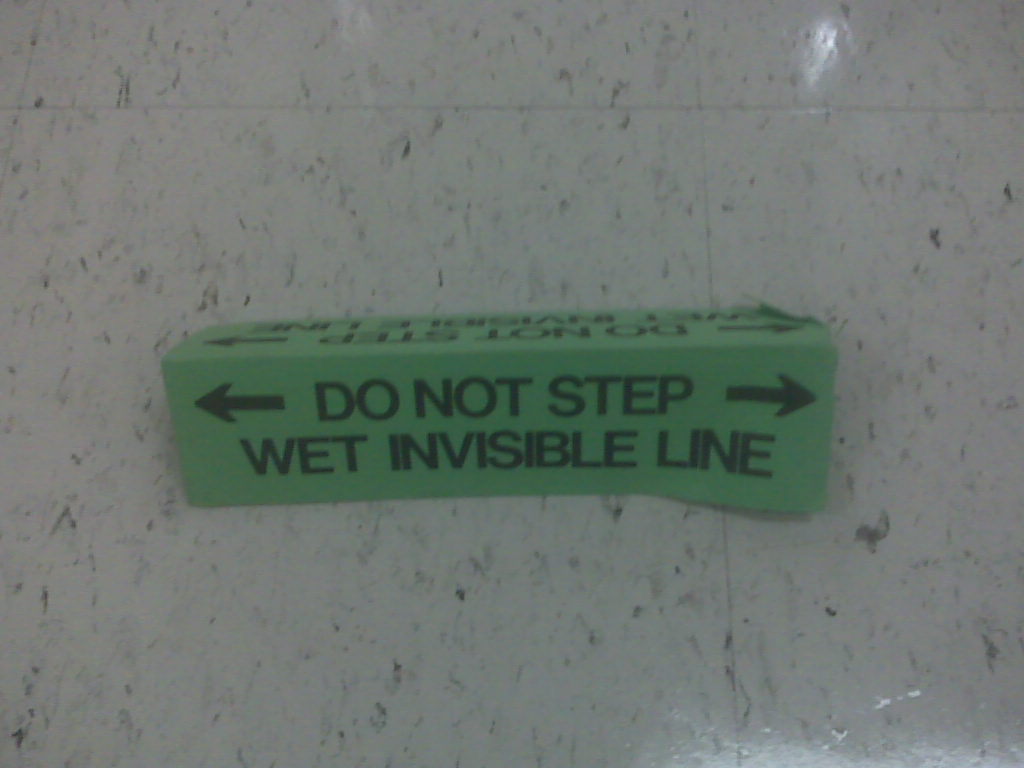
    Found Exhortation (Temporary)

    Is this to protect the line or the person who might step on or over the line? When do boundaries and rules protect and enhance life and when do they arbitrarily, inequitably, or rigidly curtail it?

    Peace and light, E — Posted with WordPress for BlackBerry.

  • | |

    Blustery Winds, Prana, and Yoga Practices

    The other day was very windy–steady winds of 20-25 miles per hour and gusts of up to 30-40 miles per hour. I needed to go to work, so I had no choice about which direction to walk. That direction was, unfortunately, straight into the wind. It made the already cold day feel much colder, and I felt like I needed brute strength just to move forward. Knowing that I did not have the option of turning the other way to feel warmer and have the wind push me along, I instead consciously softened and leaned into the wind so that I was fighting it less and able to ride it a little.

    I was moved by facing the wind to think about the various yoga practices and how they help us understand and be with the force that connects and moves around and between things, without and within us–prana.

    When we meditate, the intention is to be in either absolute fullness (purna) or absolute emptiness (sunyata). (I don’t think it matters which one). In the absolute stillness of meditation, prana does not flow, and we experience being in a state where we are not tugged at or blown by the forces of change and relationship between object and beings. Being able to tap into that state is essential, I think, to be able to weather the times when the energies around us are too much of a whirl for whatever reason.

    When we practice pranayama (breathing practices), we learn about the many ways prana flows. Although pranayama is often translated as breath control, I think it is more about learning to control our physical and mental relationship to the breath than it is about controlling the breath–the breath serving as the best proxy for us to experience the flow of the life force, prana itself. Learning how to be more intimate with the subtle energies helps make us more humble, more aware, and more skillful in relationship to the world around us.

    When we practice asana (postures), we practice dancing with and riding the prana so that we do not have to do everything by rigid physical and mental effort. With steady, educated and discerning practice of asana, we can move with more power and grace and less effort and risk of injury, just as a skilled sailor knows how to align her or his sails both to be able to move when there is just a bit of wind and also to ride out a gale, harnessing the wind instead of being torn up by it.

    To those of you facing the blizzard, may you find time to be still and warm and at peace and use skill in alignment to stay safe when clearing out from the snow and moving from place to place.

    Peace and light, E — Posted with WordPress for BlackBerry.

  • | |

    A Guest at William Penn House

    When I arrived at the William Penn House to teach yoga tonight, there were a couple of suitcases in the room. I asked one of the interns to help me move them. A guest came to help as one of the suitcases was his. I invited him to join us for yoga class. He expressed interest though declined this visit because he had a plane to catch. He stayed to chat while I was making the room ready.

    The conversation started with snow and New York State and then Quaker peace activities–the latter hardly surprising for someone staying at William Penn House. The guest was older than me and had been an activist for a long time. I thought he would certainly know my Dad who has been doing peace-related volunteer work in New York for 50 years give or take a few. Yes, he knew my Dad and so I will send regards.

    The guest said on parting that he thought all workshops for activists should start with some type of movement practice such as yoga. I agreed. Not only does it help bring the group together, but it invites all the participants to be stronger, healthier, and more flexible to better carry out their purpose.

    My students began to arrive–the first, who came in the middle of the conversation, expressing the opinion that the guest would have been a great addition to the class. The guest went on his way, saying he would be thinking about yoga as he waited in the airport for his flight. And I brought the sense of deepened community and purpose from this chance encounter into my teaching.

    Photo of marker outside the Friends Committee on National Legislation

    Peace and light, E — Posted with WordPress for BlackBerry.

  • | |

    Pradakshina?

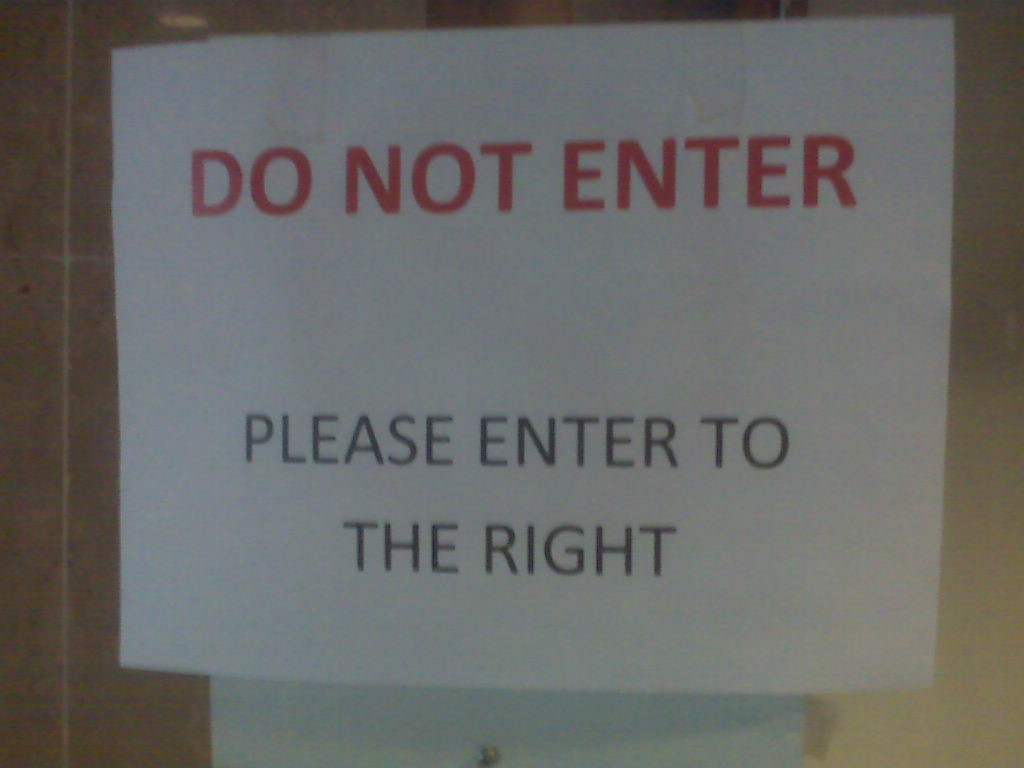
    The term pradakshina roughly means turning towards what is right, to move in alignment with nature. When I was in yoga teacher training, we were taught that to make sure that the practice was in accordance with nature, with the principle of pradakshina, we should instruct our students to roll to the right when coming out of savasana (final relaxation; the corpse pose).

    Those who take class with me may have noticed that a couple of months ago, I started just saying to roll to your side, whichever side feels better for you.

    Why should turning to the left be sinister (latin for left), or gauche (french for left), or subversive and contrary to dharma (left-handed tantric practices).

    Left-handed myself, I can assure you that not one of the salesmen in the expensive shop in India where I bought art and jewelry last year cared that I signed a credit card slip with my left hand (though in India it is customary to eat with the right hand and wipe oneself with the left to make sure that one never uses the same hand for both activities).

    Who wants to move the right if right means not correct, but conservative, fundamentalist, self-righteous, and rigidly traditional in societies where tradition is paternalistic, narrow-minded, racist, classist, religiously dogmatic, and sexist?

    I think turning to the side without the bum shoulder or the clogged sinus or turning to the side where there is more room or a beloved friend practicing beside you is turning in accordance with the principle of pradakshina–even if it means turning to your left.

    Practice pradakshina by all means, seek to align with and embrace the flow and forces or nature within and without and honor those social customs that support and expand love and community, but don’t just roll to the right (or teach that) because someone told you going to the right will bring you closer to the divine. It ain’t necessarily so.
    Peace and light, E — Posted with WordPress for BlackBerry.

  • | | |

    Found Exhortation (Dysfunctional)

    I don’t think anyone ever feels better for being told they ought to–whether emotionally or physically. To help someone else or our self to feel or get better, it is far more productive to offer well wishes or offer loving or healing energy or to take action the likely result of which is to improve health or mood.

    Peace and light, E — Posted with WordPress for BlackBerry.