Have You Noticed
Have you noticed that there are fewer butterflies than there used to be? I am missing them.
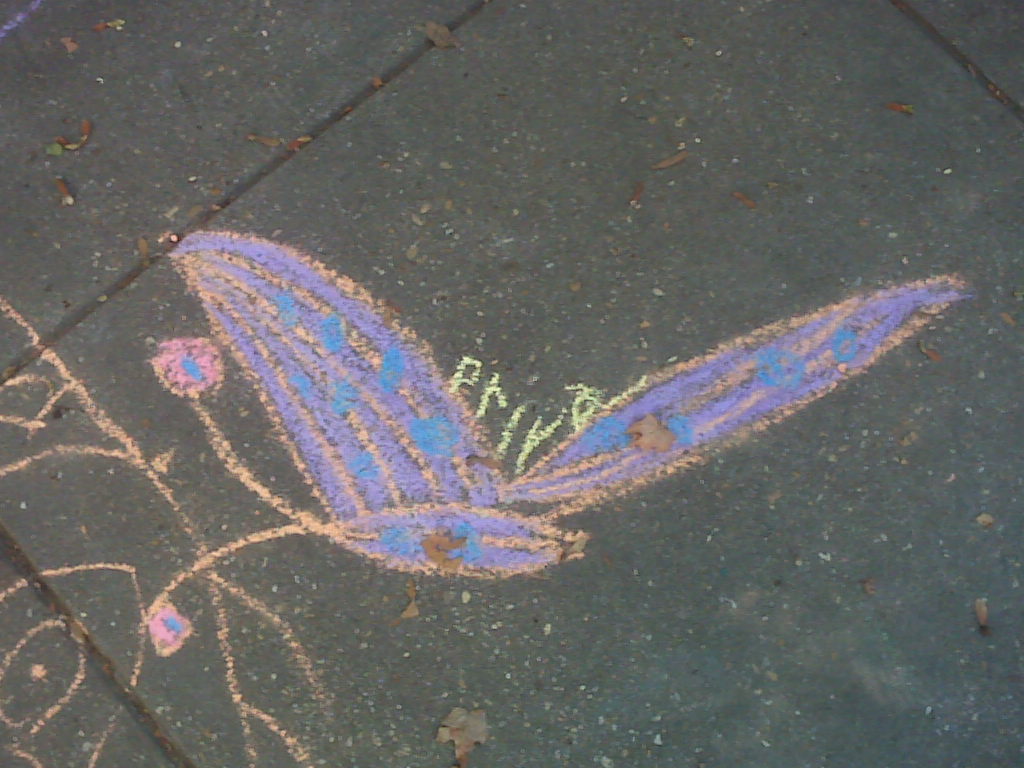
Peace and light, E — Posted with WordPress for BlackBerry.
Have you noticed that there are fewer butterflies than there used to be? I am missing them.
Peace and light, E — Posted with WordPress for BlackBerry.
It is my understanding that unless I wear a sari, I will not be able to go into some of the places that are on the itinerary for the trip to India I will be joining. “Just think of it as playing dress-up,” suggested my sister when I told her the idea of wearing a sari perturbs me. It is not just feeling strange in foreign dress and having to expose that vulnerable fold of flesh at the waist (I have never even owned a bikini because of my discomfort in exposing my waist). What is unsettling me is that to witness what the men can witness while wearing comfortable clothing, the women must agree to wear confining, complicated, and cumbersome clothes. And the sari has come for centuries with the expectation that the woman demurely follows behind doing what she is told by the designated man.

Peace and light, E — Posted with WordPress for BlackBerry.
Today is the 13th anniversary of Anusara yoga being officially named Anusara yoga. I am filled with love and gratitude for John Friend and all my friends and teachers who are sharing this extraordinary practice.
In thanks for the delighted and celebratory invitation to the practice, which for me is a hallmark of the Anusara offering, I share this quote:
“The more the yogi practices, the more visible everything becomes (yavad idam sarvam drstam).” Vedavyasa, quoted in David Gordon White, Sinister Yogis.
Peace and light, E — Posted with WordPress for BlackBerry.
Logically similar in kind to the t-shirt ptoclamation that “it’s all good.”

Peace and light, E — Posted with WordPress for BlackBerry.
On the Friends Meeting of Washington list serve this week, there has been a fair amount of email exchanged about an upcoming “meeting for discernment for peace.” Very roughly described, a meeting for discernment begins with a period of silent worship in which those present settle into the silence and surrender thought to allow the light of spirit to illuminate a specific subject of contemplation. The subject of the meeting serves to enlighten both the individuals participating and to further both the business and spiritual state of the meeting as a whole.
As I read the emails and invited myself to contemplate the questions offered for the meeting (I will not be able to attend because I had previously committed to volunteer work), it led me to think not only about the topic under discernment, but about how similar it seems to me to the yoga practice of bhavana and how bhavana supports the Anusara teaching method of “heart-oriented posturing language.”
When we practice bhavana ,we invite the fullness of consciousness to illuminate ever deeper levels of understanding of particular teachings from the yoga texts or similar ideas. It is similar to meditation in that we don’t try to think our way through the concept, but rest with it. Bhavana differs from meditation exactly because it is focused on the deepening of a particular concept rather than simply going into the space of meditation as an end in itself.
Although a meeting for discernment is practiced as a form of collective worship rather than an individual practice, it is much like bhavana, and I brought the Quaker method of resting in the light to reveal deeper insight regarding a concept when I first starting teaching Anusara yoga with its emphasis on having a class theme and using heart-oriented language to invite myself and students to experience a heart quality through asana practice.
The queries for contemplation at the meeting for discernment for peace, include the following:
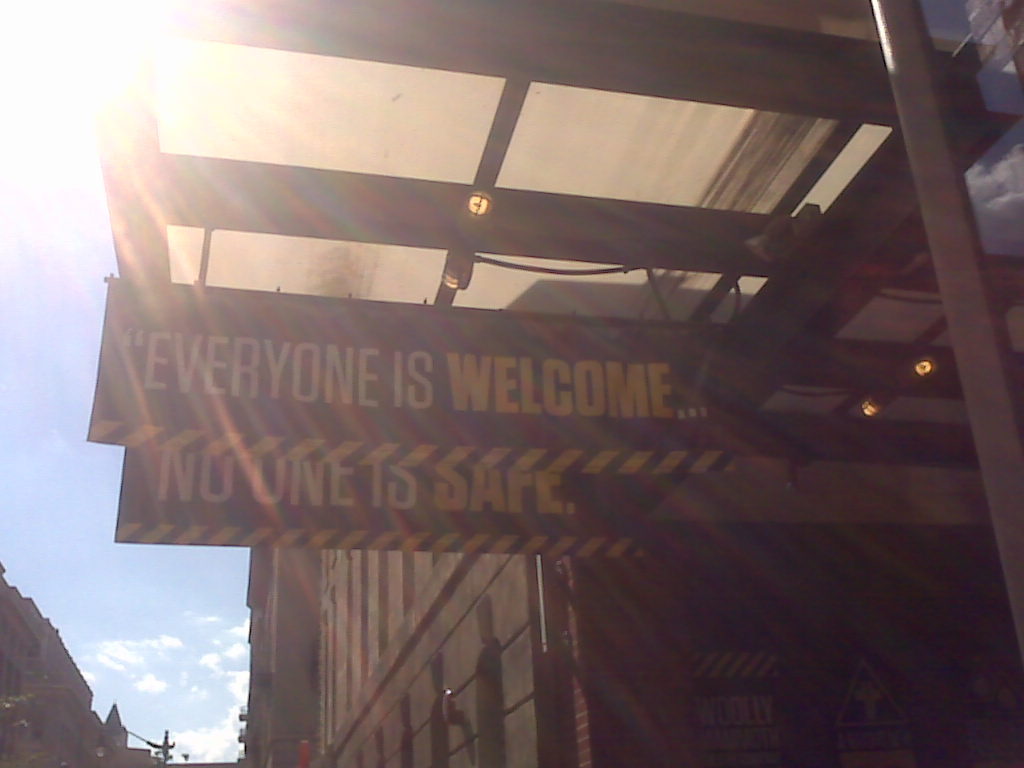
Peace and light, E — Posted with WordPress for BlackBerry.

Peace and light, E — Posted with WordPress for BlackBerry.
The tantric yoga philosophy ascribes the characteristic of svatantriya or ultimate freedom to the energy that infuses all of us. We all want to be free, but when we get stuck in our embodiment, forgetting that we ourselves are manifestations of spirit, then we lose sight of our true freedom. To find our own freedom of spirit, we need to be disciplined, to practice, to study, to live in a way that brings us into better alignment with ourselves and world with which we are inextricably interconnected.
In this country, one of our principle ideals and buzz words in dialogue about how we should live is freedom. What can so often be forgotten in this dialogue, though, is that freedom is a contract. To be in a society where all have the opportunity to experience freedom, we need to agree, with discrimination (viveka) to certain limitations (for example, we agree to stop for red lights so that we can be free to drive and walk without a constant risk of being hit in crowded city).
Granted, I am grossly oversimplifying here, but part of the great losses of freedom we are currently experiencing is the abdication by individuals of the responsibility to shape the agreement to maximize our collective freedoms. Like the agreement with ourselves to practice steadily to experience inner freedom, we need to stay engaged, even when it seems impossible or deeply frustrating, in order not to lose sight of the ideal entirely. Here’s some information from FCNL on why it is important to lobby despite how fruitless an act it may appear to be.
Street light
And steeple
Jutting upwards
Taking my eye
Into the sky.
Clouds letting
Me look straight
Into the sun.

Peace and light, E — Posted with WordPress for BlackBerry.

Peace and light, E — Posted with WordPress for BlackBerry.