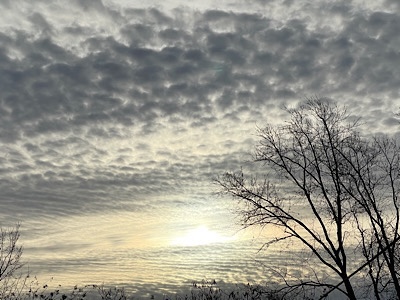
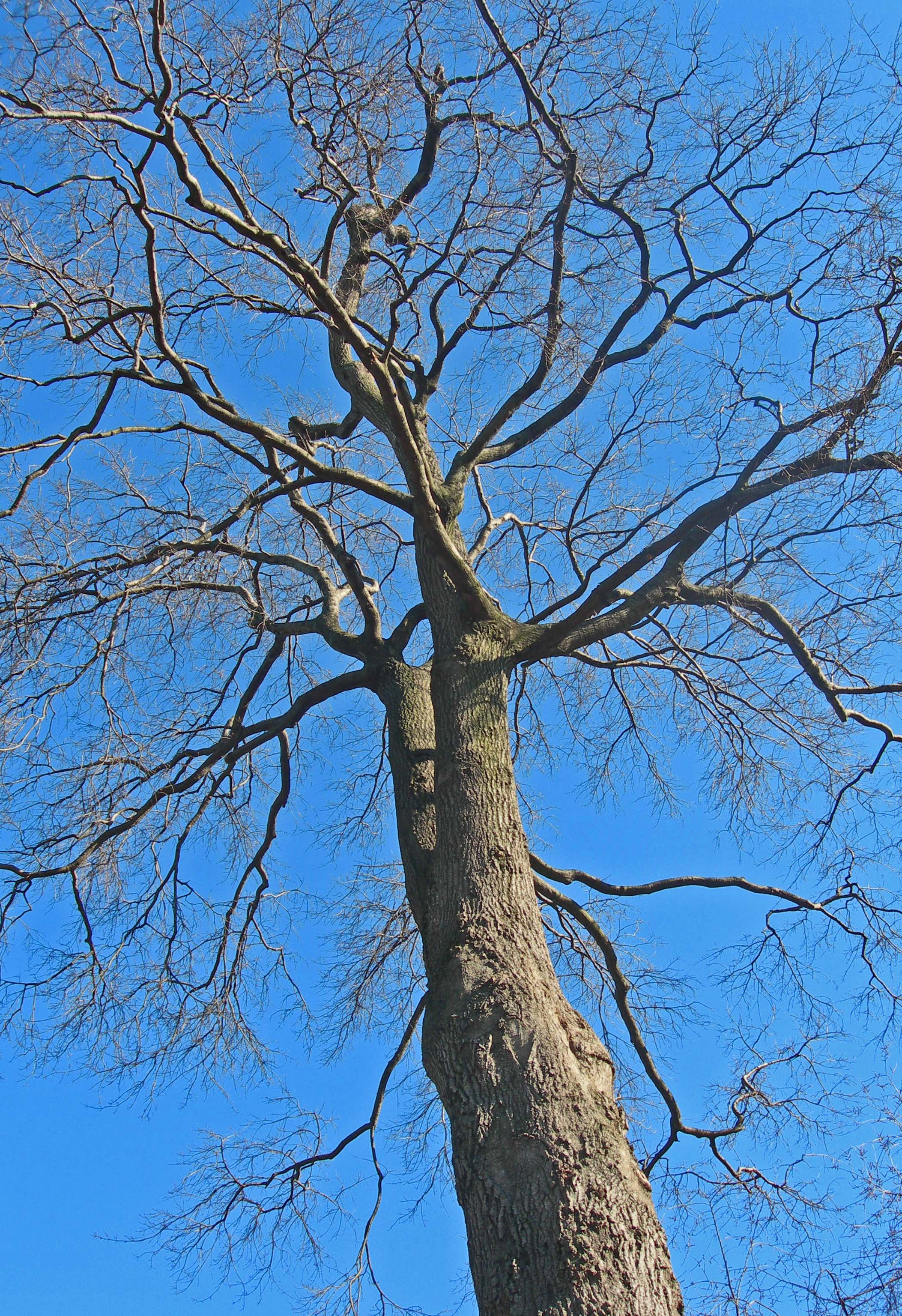
Signs Around Town (and Sauca?)

Peace and light, E — Posted with WordPress for BlackBerry.
Peace and light, E — Posted with WordPress for BlackBerry.
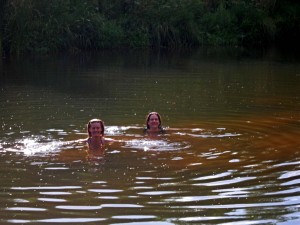 To find water deep enough for swimming and fresh enough for drinking in the desert is absolutely exquisite, sweet, refreshment. It is love, nectar, and bliss all at once.
A half a mile away on foot in certain directions, this swimming spot was invisible. All that was readily apparent was dry heat and scrub. Sometimes, we feel similarly separated from inner nurture and support amidst the challenges of the world. When we are steady with our sadhana (yoga/meditation practice), we will more and more easily find our own inner bathing spot — karunabdhe (ocean of compassion, an aspect of shiva), even as we engage in and encounter the vagaries and tribulations of daily life. When we know the ocean of compassion is right there in which to bathe whenever we need refreshment, we can engage more fully and with more light and compassion, better to serve and love and delight, whatever difficulties come our way.
When I walked past the Capitol sometime after 7, the light in the cupola showing that Congress was still in session was blazing brightly, making my 10 and a half hour day seem short. I returned to my desk after the week in Miami to several dozen emails. By the time it was midday, an new meeting was scheduled for tomorrow that had not been in the emails or existing calendar, my catching up was interrupted by the need to give background to a reporter, and I was asked to chair a meeting tomorrow that I usually just attend. None of this felt stressful, but it did mean that to get enough done to handle my work responsibly and also get a good night’s rest, I could not leave in time for the two-hour Monday night class at Willow Street.
It seems perhaps not quite right that going out of town to study makes it harder to study with and support my local teachers, whom I love and respect. I think they understand, though, when I have been to study with our mutual teacher and bring back to share the energy of our wider community.
And now for a deep, quieting practice and my evening meditation before bathing and bed. It has been a long day.

I was meeting a friend near Dupont for dinner. It was positively balmy, and I caught the space between showers, so I walked the 25 blocks from the office. It is rather wonderful, to be able to stroll past the White House when I am out for a walk between work and dinner.
Even as fearful a nation as we have become, much is still accessible for all to see. I think preserving access is tremendously important. On the way home, I walked past “Occupy DC” before catching the bus to witness those sacrificing comfort to maintain such access and all it is meant to represent.
Then I did my evening meditation on the bus.

Peace and light, E — Posted with WordPress for BlackBerry.
His examples and teachings will live on.