| |

State of the Garden (and Effort and Surrender)

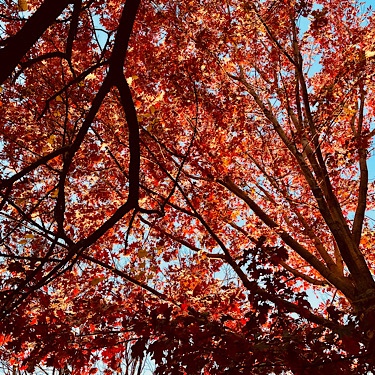
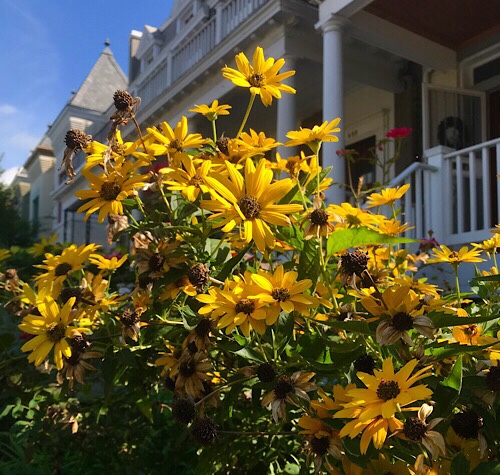
For a garden to thrive, it takes planning, knowledge/study, and engagement. To still find joy in it, one must also surrender to the vagaries out of our control. Sure enough, every year, with variations in weather and seed/root/plant stock, some things will be especially prolific, and others —perhaps our favorites—will fail despite best efforts.

Similar Posts

  • | |

    Not just freedom from

    Paul Muller-Ortega, who is offering a meditation and philosophy workshop at Willow Street Yoga Center this weekend, says that sadhana (yoga practice, incuding meditation), doesn’t just give us “freedom from, but also freedom to.”

    The “freedom from” is freedom from suffering. The freedom to” is freedom to move towards light and blissfulness.

    When we first come to the yoga mat or meditation cushion, we are usually coming to discover the “freedom from” we have heard about — perhaps relief from aches and pains or disease, perhaps weight loss or improved body image, perhaps lowering anxiety or easing depression. We discover, when we start practicing, that even if we do not get “freedom from” exactly as hoped within a limited view, that discovery of the “freedom to” itself provides a “freedom from” by making that from which we seek freedom less prevailing as the focus of our being.

  • | |

    Coming Snowstorm (and Heyam Dukham Anagatam)

    As I think about whether I will be able to get up to Willow Street to teach my last classes of the session, how much shoveling I will need to do , whether the next forecast storm (middle of next week) might create challenges for my planned trip to NY, etc, etc, my favorite (well, in the top 10) sutra of Patanjali, sprang to mind:  heyam dukham anagatam, 2.16, which means roughly:  the pain that has yet to come can be avoided.

    I have several translations/commentaries of the Patanjali’s Yoga Sutras in my library.  All have a different spin on what this means in practice.  What I know is that it is at least partly about being in the present and taking things as they come.  One should still practice and plan.  By practicing and planning, we are better prepared for inevitable pains and challenges.  (For those of you who are giddy with excitement with the thought of a “white Christmas,” this Sutra still helps.  Part of the pain that can be avoided is disappointment when expectations are not realized the way we hoped they would be realized.)  Once we have prepared in a healthy way, though, there is no point in agonizing about what might come, in being in pain in the present because of the possibility (or even inevitability) of a future pain.

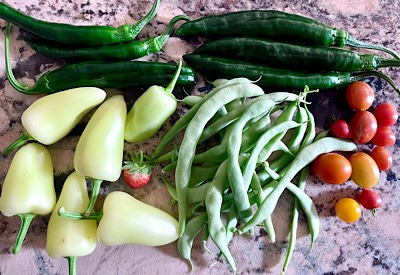
    The snow seems inevitable.  I am charging my camera battery.  I’m picking what is probably the last of the chard and the baby leeks from the garden, and I am getting ready for Serenity Saturday restoratives.  As long as I can walk to the studio — eight inches is just plain fun, not impassable — I’ll be there with a warm and full offering.  In the meantime, I am enjoying my day instead of worrying about the potential barriers to enjoyment.
  • | | |

    Signs Around Town

    This ad, which I saw while I was riding the train to NYC last week, reminded me of a primary reason I practice yoga.  The sincere yogin doesn’t negate the spaces between opportunities to vacation, but seeks to live fully each day.

    It might be more enjoyable to play or adventure than to have a stressful day at the office on any given day, but I’d hate to think I am a better person only when I have vacated work and home.

    image

Leave a Reply

Your email address will not be published. Required fields are marked *

This site uses Akismet to reduce spam. Learn how your comment data is processed.