Art and Culture | Community and Family | Food for the Mind (Yoga Philosophy, etc) | Meditation | Photos | Poetry | Quaker
Questions Around Town
It’s true that I’m still reading the news and signing petitions and sending comments on regulations, but otherwise, it’s good to have several days to take good care–and to practice my Spanish.
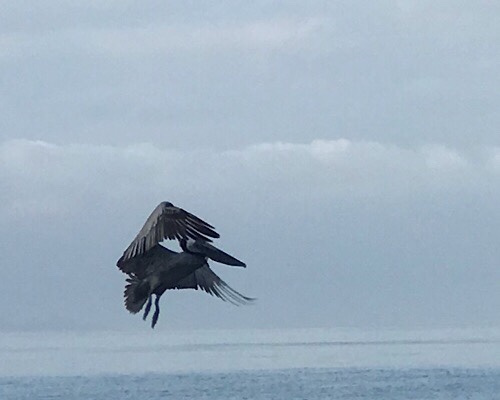
The daily routine for the week: meditation by myself, walk on the beach when it gets light with fellow yogis, breakfast, yoga practice (mostly functional movement exercises rather than traditional asana), lunch, quiet time, more practice, dinner, early to bed.

Peace and light, E — Posted with WordPress for BlackBerry.
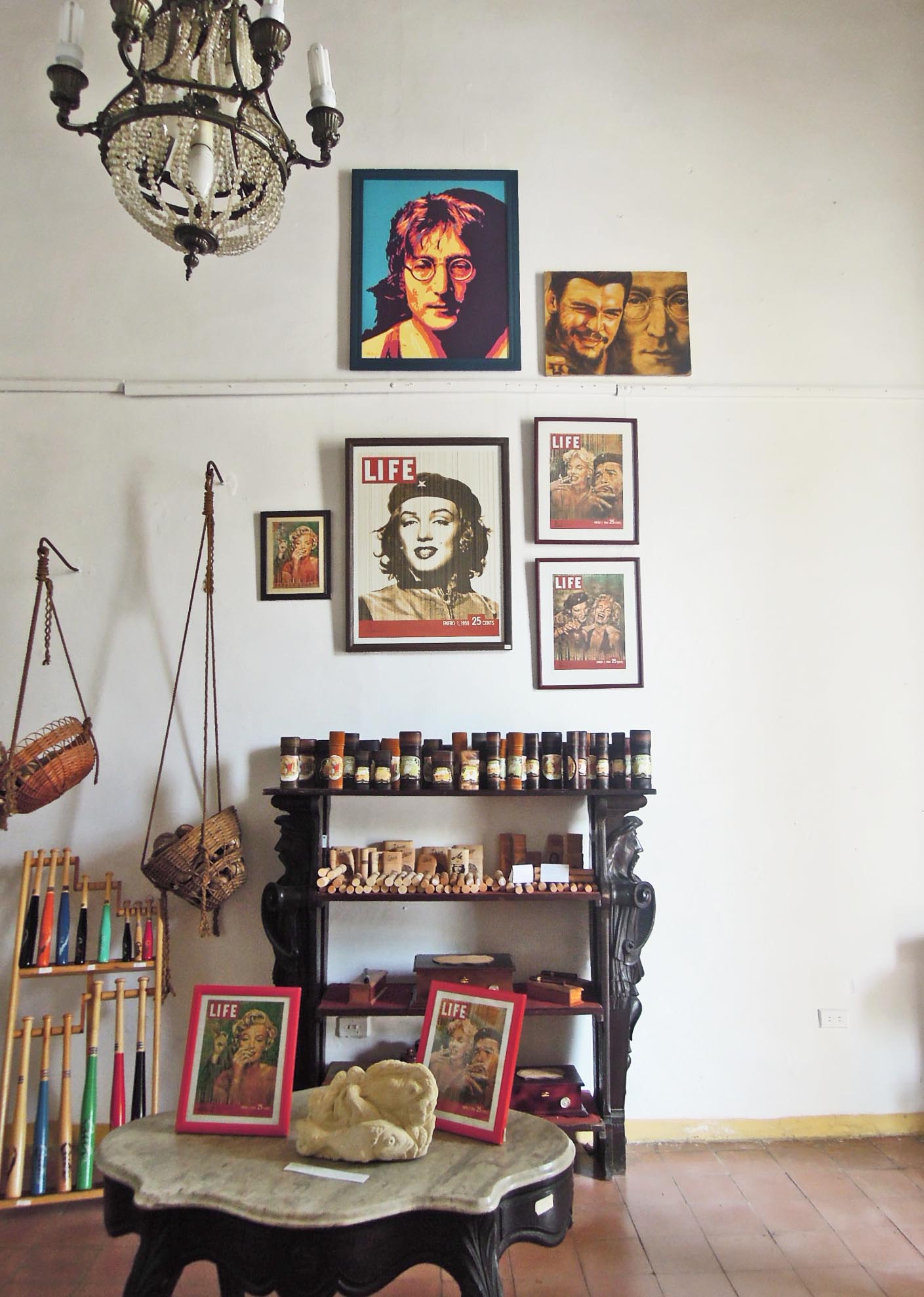
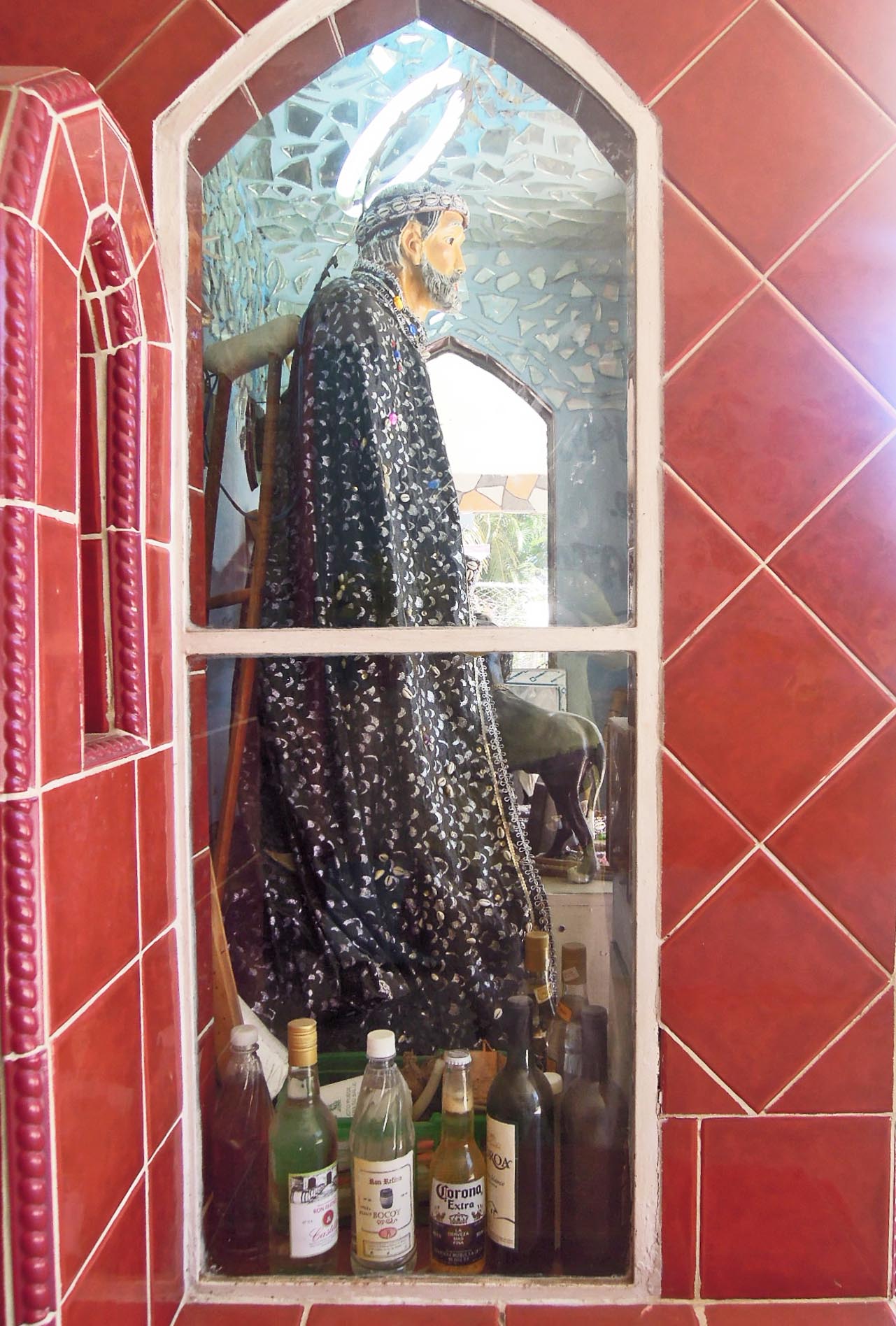
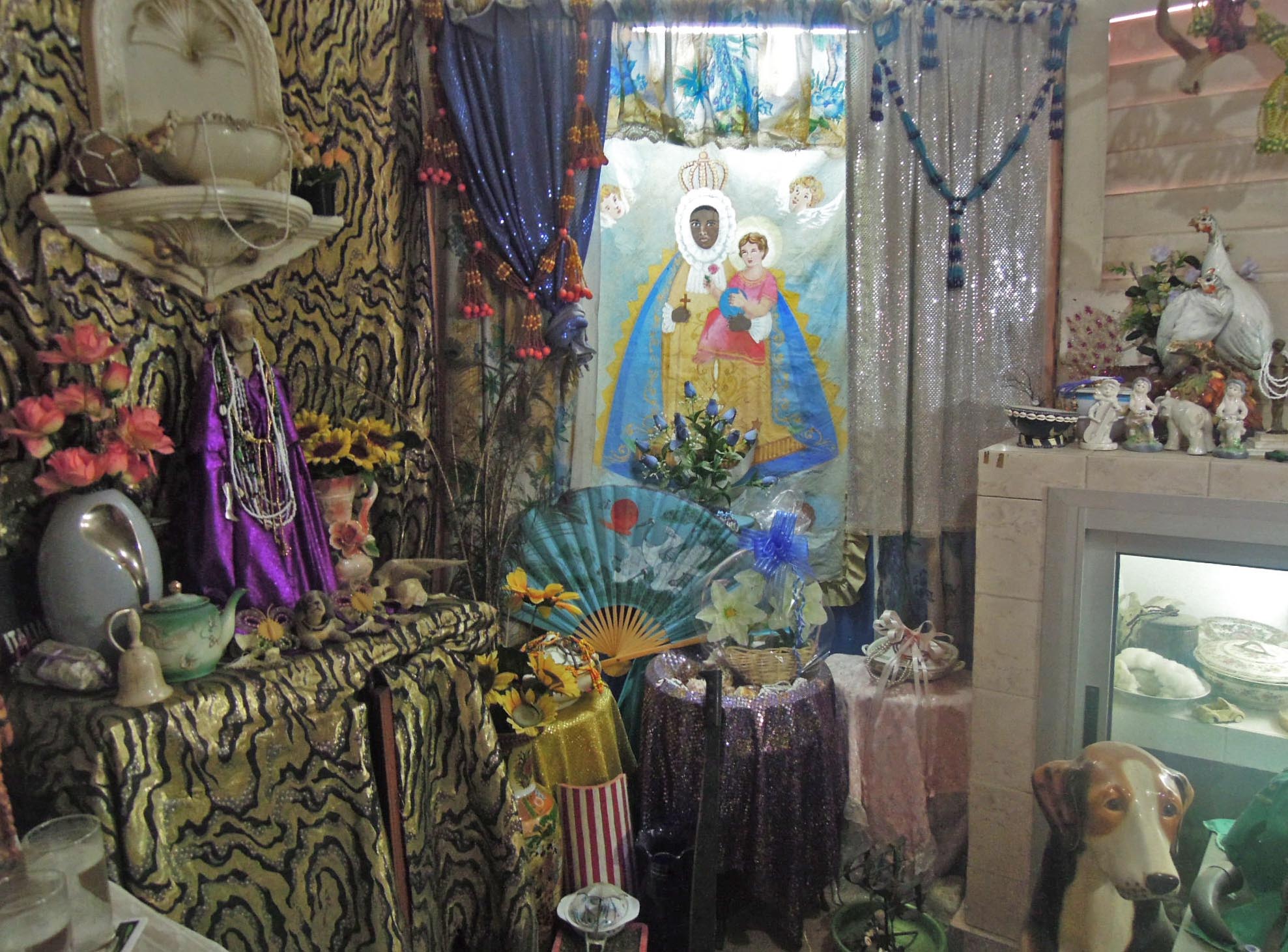
In which I encounter some more of the 330 million gods (mas o menos).
(Notes: (1) Hindu philosophy speaks of 330 million gods, i.e. a bigger number than we can actually get our minds around, one for every person, giving room for a complete diversity of belief. While I don’t believe in “God,” I have no problem with the idea of 330 million gods, none more exclusive or correct than any other, with no permission to use of the concept of “God” as justification for murder, physical harm, repression, or suppression of expression because of societal or family of origin privileging any particular belief. (2) “Maya,” which in Sanskrit not Spanish, literally means to measure, is the tattva that is the bridge between the universal and the manifest. The “universal” is immeasurable; what we think of as manifest is always measured in space and time. The distinction between how the tantrikas and other yoga philosophies interpret the concept of maya is for your own research or another day. (3) The number 108 refers to Shiva.)







For the first few years I was teaching, one season a year, I would have as my overall session theme the Anusara invocation (for the words written out, click on “invocation” in the menu bar above). In so doing, I invited myself and others to contemplate at the heart level the meaning of each word, of why we were making the invocation, of how the invocation might inform not only our practice, but how we bring our practice off the mat and into our daily lives. Each time I chant the invocation–and it has been hundreds of times now over the years I have been studying, practicing, and teaching Anusara yoga–I seek to invoke into my practice the deepest qualities of the heart that it represents.
Over the winter break, when I was preparing for this session, the invocation called to me. I decided it was time to make it as a specific offering again. Last week and this week, including in the restorative workshop offered at Willow Street Yoga last Saturday, I have been exploring namah shivayah from the first line. Namah–which has the same verbal origins at the English word “name”–means to bow, to honor, to name. It forms the basis of the greeting namaste–with the light in me, I bow to the light in you. Sivayah here is our siva nature. It is variously the light within, auspiciousness, spirit, divine nature, elemental goodness.
When I was practicing in preparation for teaching the week’s classes and the restorative workshop and contemplating (practicing bhavana on) namah shivayah, I thought about a question I often get when I teach restoratives: “should I be maintaining the alignment principles or should I be relaxing completely?” When I get the question phrased this way, I look the student straight in the eye and respond, “yes.” I get a quizzical look; how could the answer be “yes” to an “either or” question? The answer is “yes” because in each pose, we are seeking to embody the fullest expression of namah shivayah. Taking the time to make sure to be in alignment when setting up for a pose, moving into a pose, reaching the pinnacle of a pose, and then moving out of or dissolving a pose, is out of loving respect for your body and the energy that courses through your body. We seek to be fully in alignment in all stages of each pose, not only to minimize the likelihood of being in pain or getting or aggravating an injury and to increase the likelihood of healing any existing injuries and expanding our capacity to feel free in our bodies, but also out of a profound respect and honor for the self, the teachings, and the practice.
Sometimes people think that focusing on getting the alignment just right is fussy or rigid and the antithesis of relaxation. In the case of restoratives especially, everyone coming to the practice wants to be at peace and feel free of effort. In the hunger to get to a place of relaxation, some hurry into the pose without honoring the alignment. Oftentimes, it is the hurry to relax and the loss of attention to the details of alignment (of both the mind-body and the props) that leads to pain or discomfort in a pose that is meant to be held for a long time, as are restoratives. When a student tells me that they are in pain in a particular posture, I invite the student to back off, set up the pose again, and far more often than not, all discomfort disappears, and the student is able to move into a blissful place. The student then experiences for herself how much the alignment enables the surrender to the exquisite opening to siva and the blissful attributes of siva (satcitananda).
One of the reasons I find restoratives to be such a powerful practice is because they require such focused attention on alignment to enable full relaxation. As such, they are a great way to understand the need for the perfect and simultaneous balance of effort (tapas) and surrender (ishvara pranadhana). So the answer is “yes;” the answer is “nama shivayah.” In everything we do, in every aspect of our practice on and off the mat, we want to be consciously in alignment. We want to use all the knowledge that has been imparted by our teachers and experienced in our own practice as a way of honoring and naming and helping to enable an unceasing, simultaneous, and full surrender to our own siva nature.
Fridays 1/4-3/7 all levels practice.
RSVP’s very helpful to make sure there’s room for you and that we listen for your arrival (door stays locked).
Doors will open at 6 for visiting and connecting (including those who may be on the challenges of embodiment list and want the yoga vibe, but are not sure about participating in group practice).
Please show up by 6:30 to make sure we hear you knocking; structured practice will start no later than 6:45 and run until 7:45.
Expect centering (meditation, breath work); slow alignment-based flow (with alternatives for whatever shape you’ve arrived in), balance work, functional movement practices, dance and playful movement incorporated for lightness and perspective when it suits, with savanna and closing.