Art and Culture | Asana, Pranayama, and Yoga Practice | Community and Family | Food for the Mind (Yoga Philosophy, etc) | Photos
Tandava (Siva Nataraja)
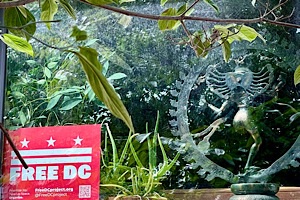
Ringing temple bells
Sounding the unstruck sound the
Divine manifest.
Keep saying it–and act accordingly.
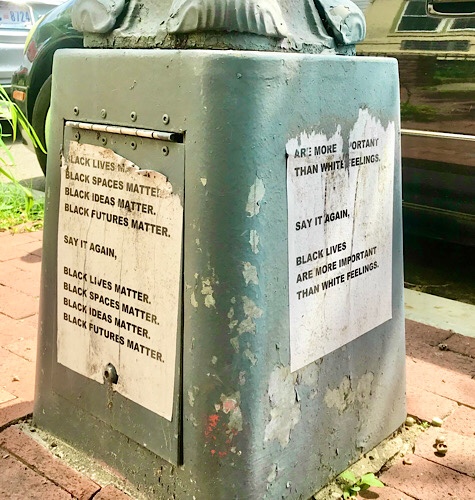
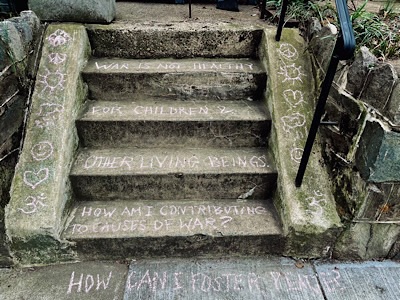
I found myself thinking this morning of the poster from when I was a child that said, “war is not healthy for children and other living things.” I wrote it on the front stairs and then asked myself the question, how do I contribute to the causes of war?” And so that I am not only asking what I must change or stop doing, I also ask myself, how can I foster peace?
Dear Friends,
A cool breeze is blowing through my window as I write, giving a foretaste of glorious fall weather to come.
Although already fully immersed in the throes of work after last week’s study trip to Oregon with John Friend, I am brimming from the teachings and comraderie. Such a trip reminds me of how crucial it is to study and connect to help bring the benefits of yoga off the mat and into my daily life.
This week is free class week at Willow Street Yoga. It is a great way to try out new classes or teachers or to bring friend who is been shy about starting or returning to yoga. I’ll be teaching both my 8:30am Level II and my noon Gentle and Therapeutics classes this Saturday, September 12th. Bring a friend and come check it out.
Looking for an extra class or one great to bring a drop in friend? Come join us for the Tuesday night class at William Penn House. All levels of practitioners welcome. Special prices for public interest workers, students, and seniors.
Wednesday night advanced/intermediate group practice proceeds are still 100% for charity. This month’s cause is “Yoga Salutes Non-violence” a yoga sun-salute practice that raises money for local domestic violence shelters. For more information, check out my friend Cheryl’s website at: http://www.heartofgraceyoga.com/YSNV.php
Upcoming Workshops: Next Saturday, September 19th is the next Serenity Saturday at Capitol Hill Yoga. Get ready for the shift into Fall with a sweet afternoon of deep relaxation and nurture. Can’t make it this month? Put October 17th and November 21st into your calendar for a great way to ease through Fall. To register, please go to: www.capitolhillyoga.com
Looking Ahead: Already trying to make your Thanksgiving plans? If you will be in town, plan to share your gratitude at the 7th Annual Thanksgiving Day fundraiser for Oxfam, which I will be leading at the Willow Street Yoga Center’s Takoma Park studio.
For more information on classes and workshops or to enjoy the blog, visit: www.rosegardenyoga.com or join me on facebook.
Peace and light,
Elizabeth
Daffodils and tulips have arrived in the shops. If you’ve forced bulbs (I didn’t this year), they are blooming (give or take a few weeks). The arrival of the Dutch flowers and the forced blooms lets us know that spring is soon to arrive. If you look carefully, you can see that the early bulbs are starting to come up. If you are lucky enough to have them growing in your garden or a neighbor (who wants to share), it is a great time to bring in forsythia and pussy willow cuttings for forcing.
How wonderful to enjoy these harbingers of spring in the last few weeks of winter. I get a similar feeling when I am given an assist to be able to do a yoga pose that will be out of reach for me to do by myself for some months or perhaps longer. When an assist opens me to an understanding of how I can grow, just as the arrival of the dutch bulbs and the forced flowers give an early reminder of spring, my heart opens. Given this inspiration, this understanding of the possibility of growth and flowering, I am inspired to turn around and share this delight with others. How could I not want to share?