Meditation in the Garden
Only five bunches of
Grapes. Who will eat them? Me? Or
Will it be the birds?
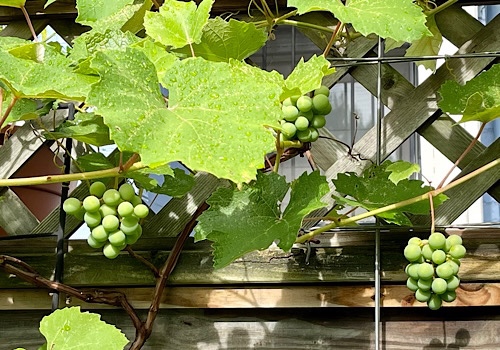
Only five bunches of
Grapes. Who will eat them? Me? Or
Will it be the birds?
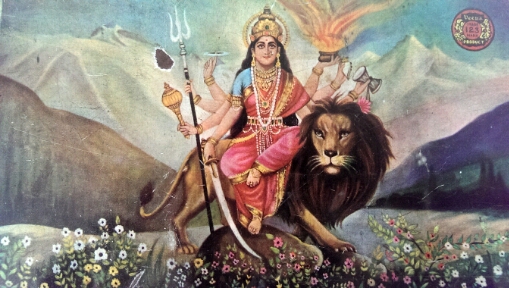
Old advertising tin for “Scent of Flowers” hair oil. Since 1919.

I communicate with the Murtis when I am out on the garden and also with the plants and other living beings. The volunteer squash are outrageously happy at the moment. On the balcony, Crow has discovered the strawberries and the fig tree.

Rules for conversation at Active Bystander led by J.E. McNeil at Friends Meeting of Washington. May not get to writing about it, but very willing to discuss in person.
Every once and a while, I poll my students and ask them whether they find that they need less medication and medical intervention (testing and other procedures) than before they were regularly practicing yoga. Students uniformly advise that they take painkillers less frequently. Some students say they need lesser amounts or have been taken off other medications by their doctors. Others note better sleep, less frequent colds, flu, or other common contagious illnesses. Others have stated they have avoided recommended surgery by working hard to shift their alignment. I personally have experienced great improvements in physical and emotional health from my steady practice, which has led to my doctor of 15 years agreeing that I need less medicine (note: I am not advocating none) and testing. I think my making the commitment to practice to minimize health care consumption as one of the ways I personally take care of the environment.
No matter what it is we are making, consuming, and disposing, and how we are doing those things, the four R’s of consumption to benefit the environment (refuse [i.e., don’t use], reuse, repurpose, recycle), start with not using things in the first place so that we do not have the environmental degradation of manufacturing and ultimate disposal. We do not usually think about this in the context of medical treatment because we want to be out of pain and illness and for the most part, think of medical treatment as a fundamental right.
At an individual level, lots of people would rather just take a pill (or even have surgery) than have to make a consistent change in behavior, physical activity, and diet. There are also times when western medical treatment is the only effective treatment, and we are very fortunate to have it available. Some people are not in a position in society to make a shift easily in this regard or to understand what it means. But for those of us in the know, prevention not just of illness, but of medical consumption, by exercising, meditating, practicing therapeutic yoga, and shifting our diet, is a wonderful way we can personally seek to limit our reliance on fossil fuels and reduce our personal waste output. In addition to eliminating the need to have the supplies manufactured, it will also keep medications that have passed through your body from reentering the water and food supply (which in turn has its own detrimental health impacts to society and to the environment).
Has the practice of yoga changed you as a consumer of health care? Have you ever considered the relationship between being a consumer of health care and your environmental impact?