Shadow and Light
 vv
vv
vv
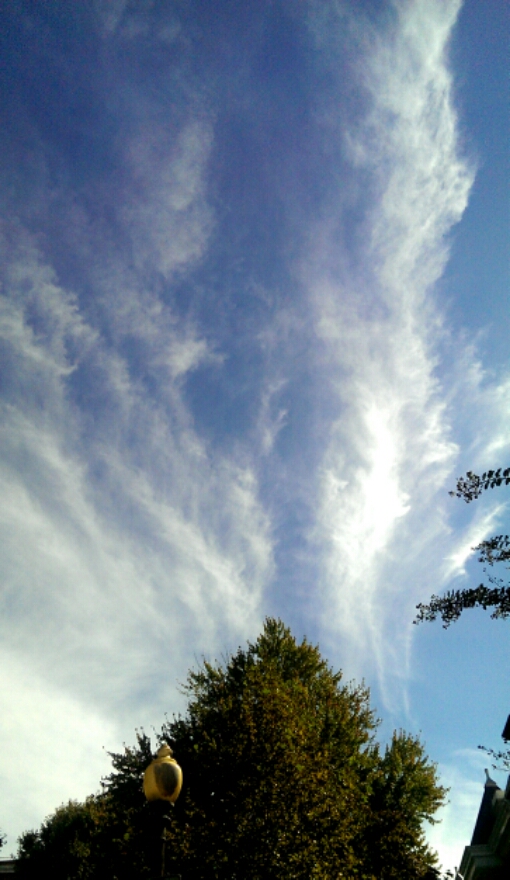
In some ways, those who live near it just plunk their stuff on the grass and sit and wait, more detached from the long reach that touches just about every one. We can be oblivious to the dome, we can be oblivious of the light of spirit, but both exist and touch us regardless of whether we pay attention. The more we seek to become conscious and to participate, though, the more profound and deep will be our connection to ourselves and others.

Peace and light, E — Posted with WordPress for BlackBerry.
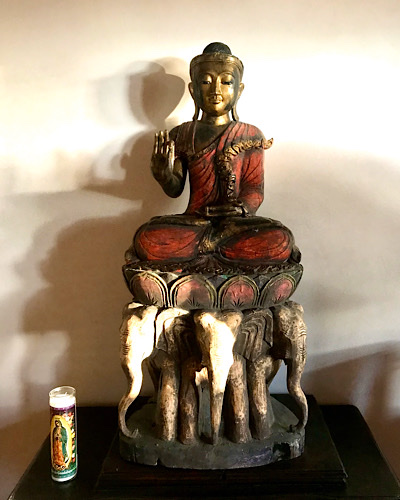
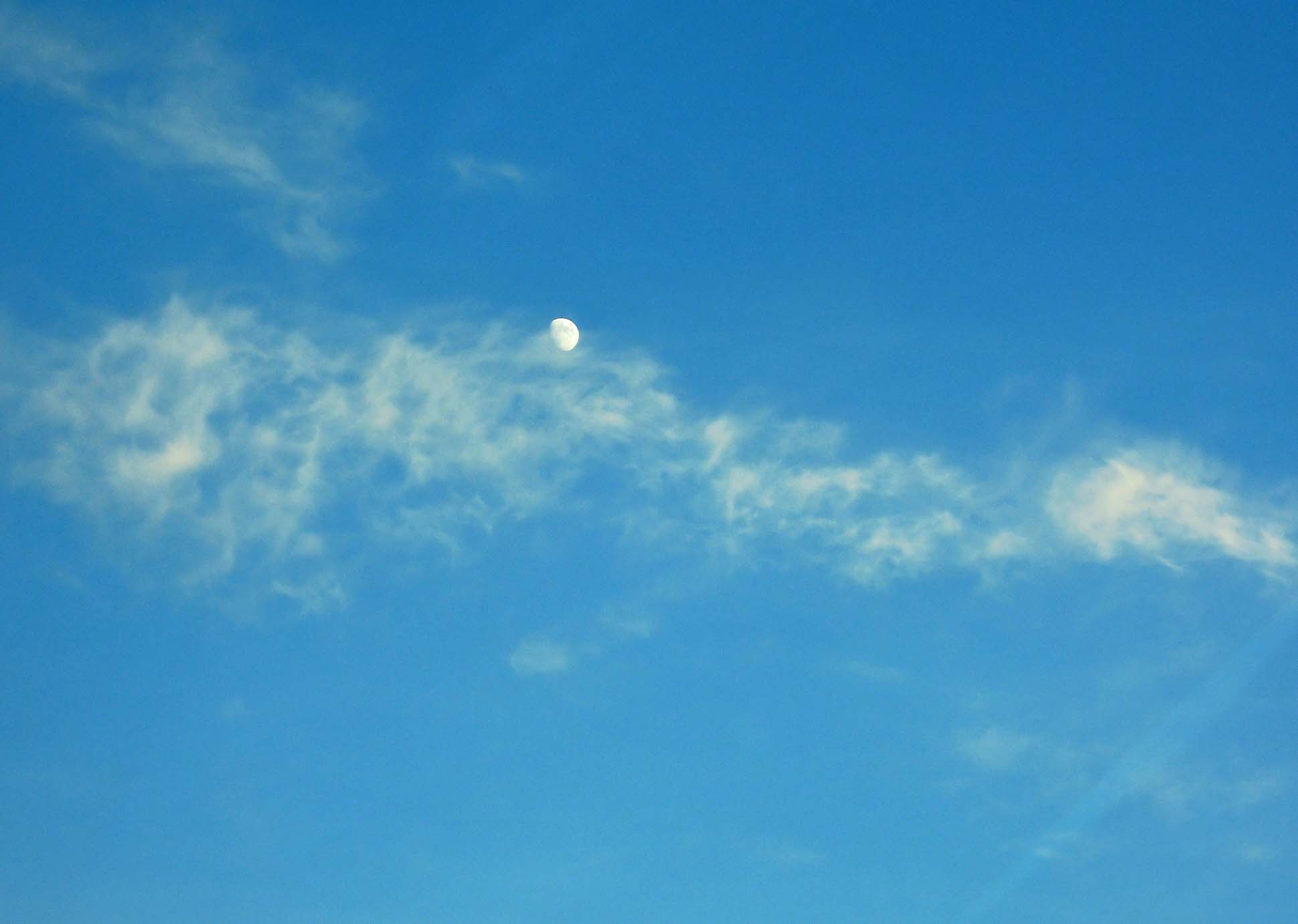
This full moon is both the one called by some “guru purnima“–with rituals to honor the teacher–and also the relatively rare blue moon. I’ve been seeing lots of postings on social media about guru purnima by my friends who are engaged in the practice, study, and teaching of yoga. The variations in the postings about guru purnima are as wide as what the person believes is the guru–from recognition of a person who has been named a guru; to teachers, recognized as such; to simply the invocation of our own teacher within. Suggestions for ritual range from specific puja to just an invitation to think about the concept and to recognize those who have imparted wisdom to us that has enhanced our lives (even if we have to do a lot of work to know that).
I’ve never personally been called to have a guru (among other things, it is too counter to my unprogrammed Quaker upbringing). I do, though, have many teachers, some more formally serving in that role than others and I cheerfully honor them today.
I invite you to think about what it means to have teachers, i.e., to be a true student. How we might be living if we consciously interrelate with all around us, human and not, as both a student and teacher all of the time? What quality of listening and openness would that require? What might we be learning? What might we teach?

We are composed of nothing different than earth, water, fire, air, and space, and much of yoga practice (as are related practices such as ayurveda) is designed to recognize and align our elemental identity. It is human nature to manufacture, just as it is the nature of a beaver to make a dam or a termite to make a mound of mud that displaces what was in its path. Why then is it so common to think of man-made as completely separate from “nature” rather than to recognize the wild and extraordinary creations of humans as an integral part of the complex fabric of being on this planet?
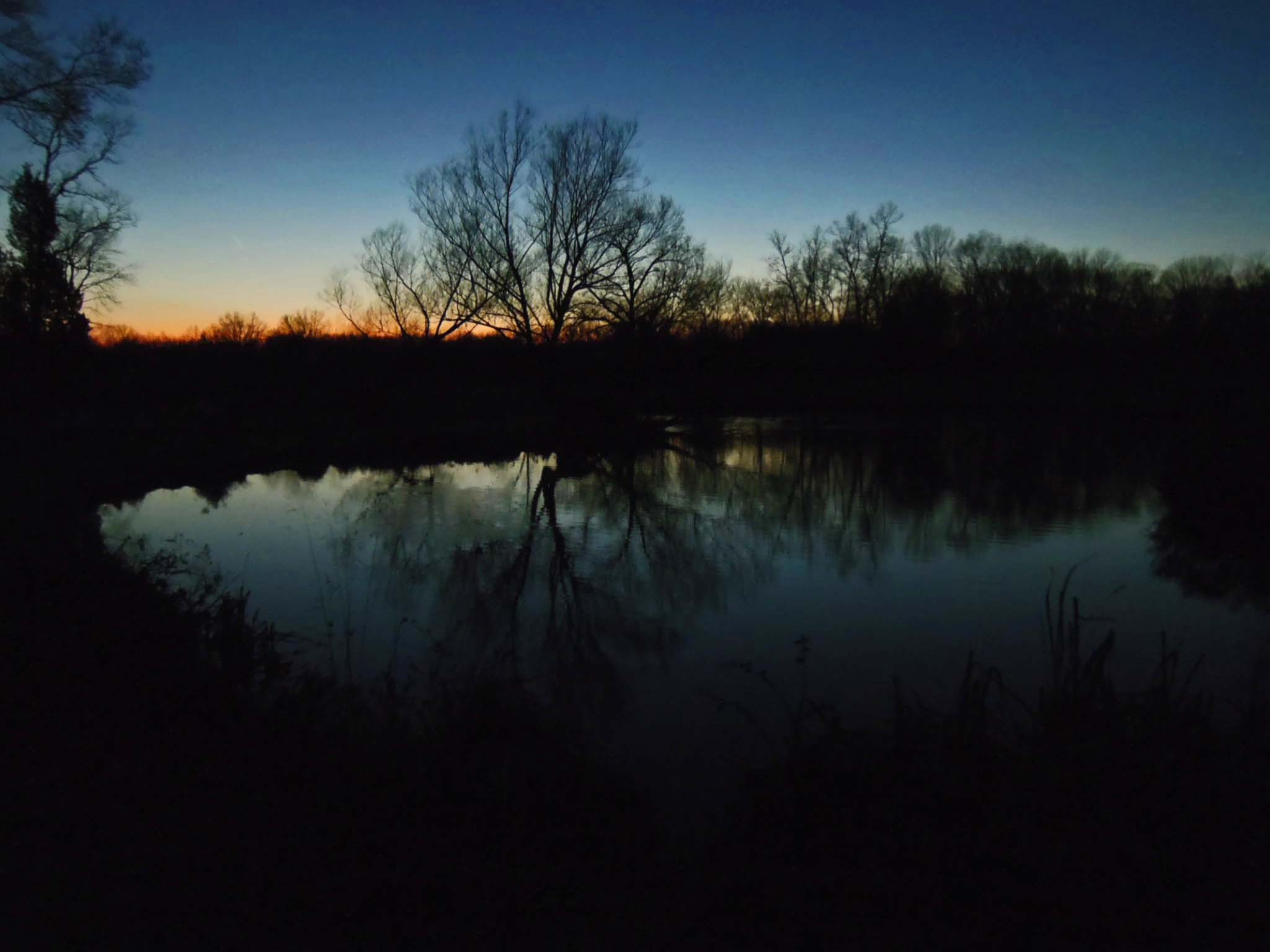
Photos taken on a Thanksgiving trip shared with friends and family: DC to NJ, Cape Cod, and back to NJ before heading home. Without the time on highway and train, I could not have seen so much “nature” in so short a time. Nor, might I add, would I have appreciated being out exposed to the wind and water without the shelter and protection of manufactured goods (including houses, cars, and clothing, etc). This does not mean, of course, that to live better, we should not seek to balance and diminish our consumption of resources for our protection and comfort.