Signs and Roses
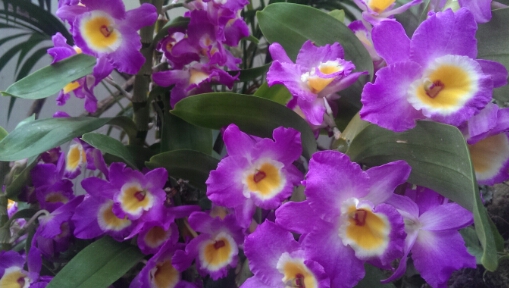
Lunch time trip to the tropics (U.S. Botanical Garden)




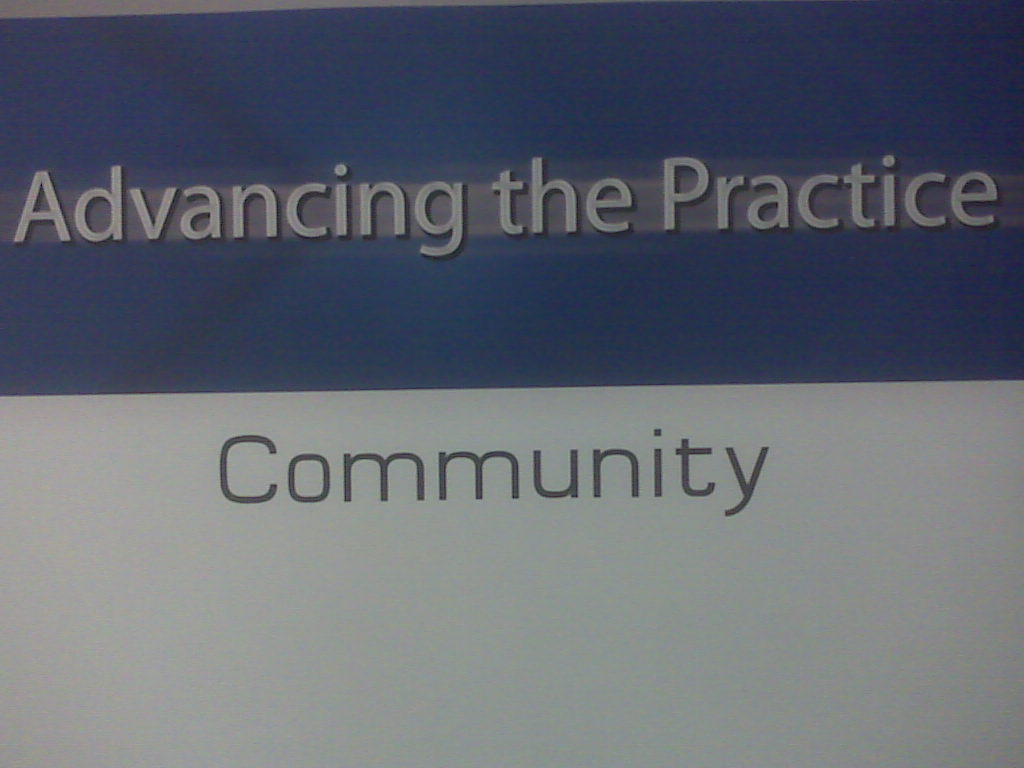
Advancing
The practice.
Community.
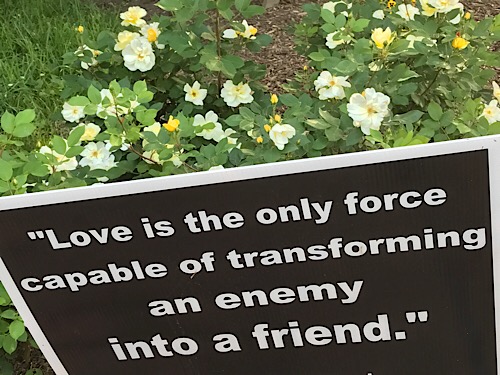
I spied this sign yesterday in the exhibitor hall on the lower level of the Marriott in Woodley Park. I was attending a portion of the 38th Annual Conference of Enrolled Actuaries. (Go ahead: I dare you to put that into your favorite search engine).
Although this sign was to invite enrollment in one of the actuarial professional organizations, it seems most similar to the stated aspirations of various yoga groups and schools.
I’m not surprised by this symmetry. I think that anyone who seeks to live so that employment and dharma (aligned life) are in harmony and who supports, participates, and works in community, is living like a yogin, though perhaps never knowing about or having any interest in yoga per se.
There are many life paths and humanistic and spiritual practices that guide life towards a contented path of service, the true reason, to my thinking, for a steady, long-term yoga practice (including asana, pranayama, and meditation).
I personally find the yoga practices to be among the most helpful ways to engage my body and mind for my health and well-being. Among other things, the practices have helped me listen with open enough awareness to be able to comprehend with my law-trained mind some small portion of the language of actuaries.
Peace and light, E — Posted with WordPress for BlackBerry.
Last night I was thinking about what that phrase means. I was talking with a friend who has a similar enthusiasm for studying, practicing, and teaching yoga, who also has a full-time job/career. At some point in describing the number of hours I have spent studying with John Friend and other Anusara teachers, it came out of my mouth that I have been able to pursue this passionate engagement with yoga because, as others have said to me, “I don’t have a life.” My friend, being in the same society after all, initially went right along with that statement as if it was a perfectly reasonable thing to say.
Then we started questioning it. It is not as though we do not both have rich, full, engaged, active lives. How did the vernacular come up with a phrase that says we do not “have a life,” if we are not so occupied with the things that society would have us do (for the “modern” woman I think this means high-powered career, husband, children, nice house) that we have enough time and flexibility to deeply pursue and explore beyond what we are supposed to do?