And So It Begins Anew
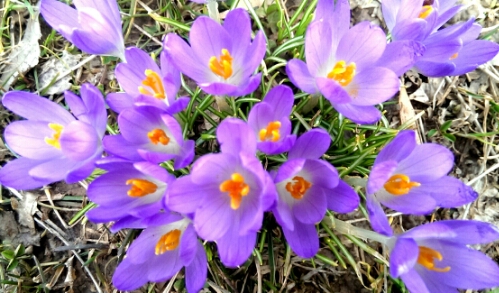
At Eastern Market metro stop in a patch of brown grass surrounded by concrete–brave and bold these delicate yet hardy blooms.
At Eastern Market metro stop in a patch of brown grass surrounded by concrete–brave and bold these delicate yet hardy blooms.

The band was quite good. A donation was well-merited.
When I was a kid, my friend who lived next door and I would use small pieces of slate to draw hopscotch boards and such on the pavement.
In recent years, more and more of my Hill neighbors have been decorating the sidewalks with chalk drawings–mostly done by children.
In south India, many of the thresholds were decorated with beautiful designs made with chalk or colored powder, and I kept thinking how delightful it would be if we engaged in that practice here.
It is on my wish/to do list to get some chalk to draw some welcoming decorations of my own on the sidewalk in front of my house.

Peace and light, E — Posted with WordPress for BlackBerry.
In Anusara yoga, one of the ways the first principle of “opening to grace” can be experienced and practiced is as a radical expansion of the capacity to receive and appreciate the very wonder of being. During my visit to India with Professor Douglas Brooks, I found myself repeatedly thinking of the concept of radical expansion and also the preamble to the Isha Upanishad (long a favorite of mine; Shantala on their first CD, Love Window, have done an exquisite rendition), which can be roughly translated as saying that adding fullness to fullness is itself fullness (fullness can also be translated here as perfection).
What I believe this is saying that being itself is infinitely full; thus, we cannot make it more infinite by adding to it. Human consciousness of the infinitude of being, though, is limited by the filters of space and time. One of the key reasons to practice yoga (including meditation) is to expand both our capacity to appreciate the fullness and to receive its full wonder by uniting our own consciousness with the infinitude. When we can appreciate ever more the wonder of our being, we will naturally be more joyous, and I believe, led to be more compassionate and generous with ourselves and others.
Day after day on the India pilgrimage, just when I thought my heart and mind were already full to bursting, there were yet more experiences of the beauty and extraordinariness of life and creativity and nature. I found myself chanting the Isha Upanishad—purnamadah, purnamidam, puranata purnamudatacyate. Fullness and fullness is fullness. “Let me expand still more to appreciate to its utmost yet more beauty,” I thought to myself again and again. Though I already thought I’d developed a fairly full understanding of the concept through study and practice, I thought, “this is what John Friend means when he is talking about radical expansion.” I look forward to studying and practicing to experience and share ever more beauty.
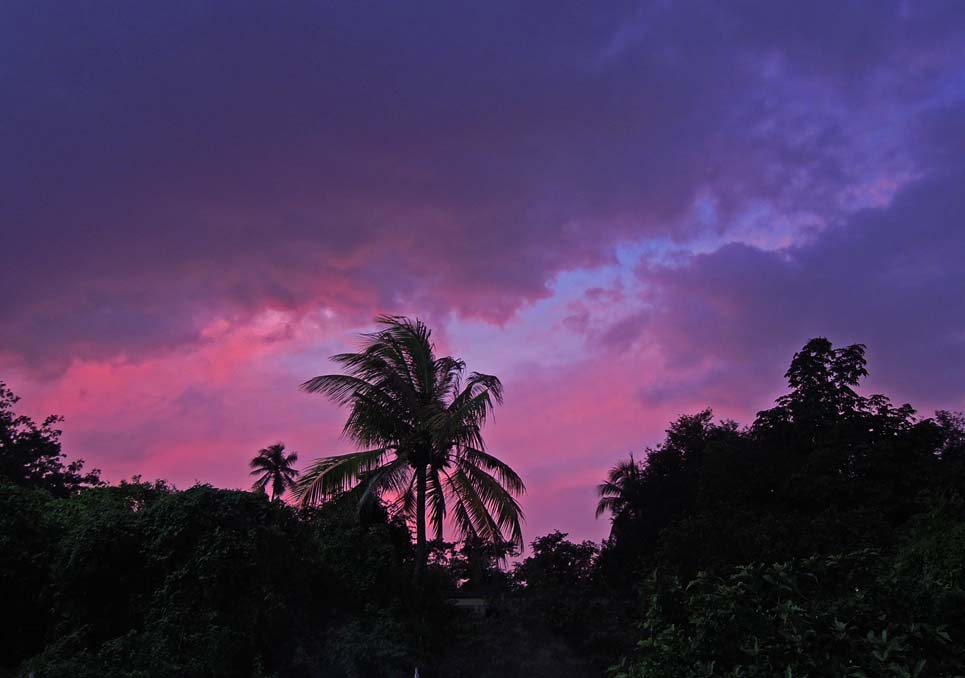
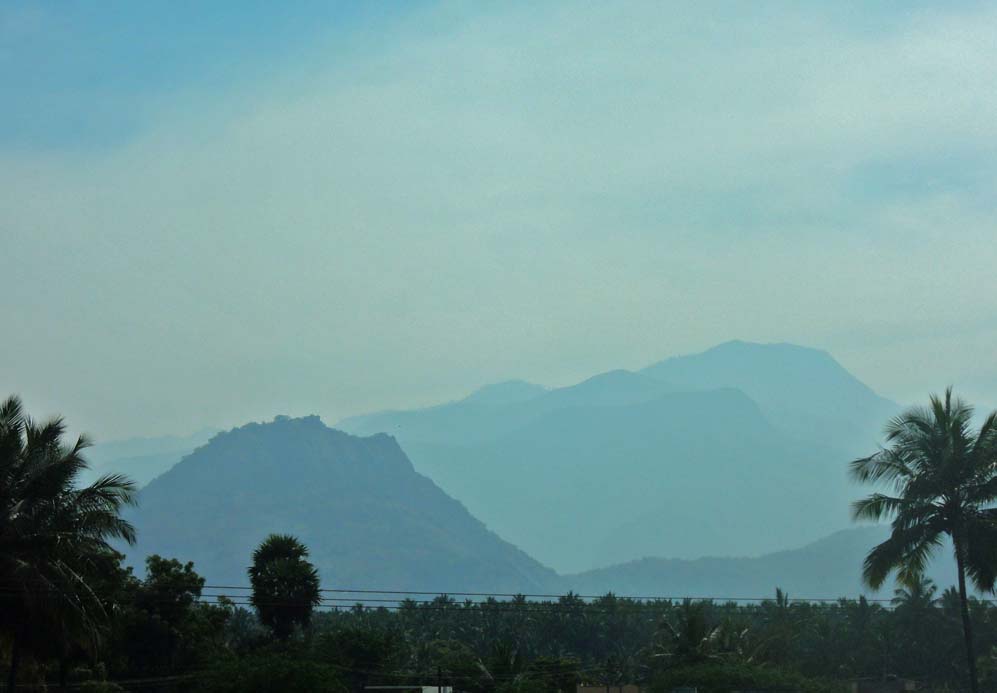
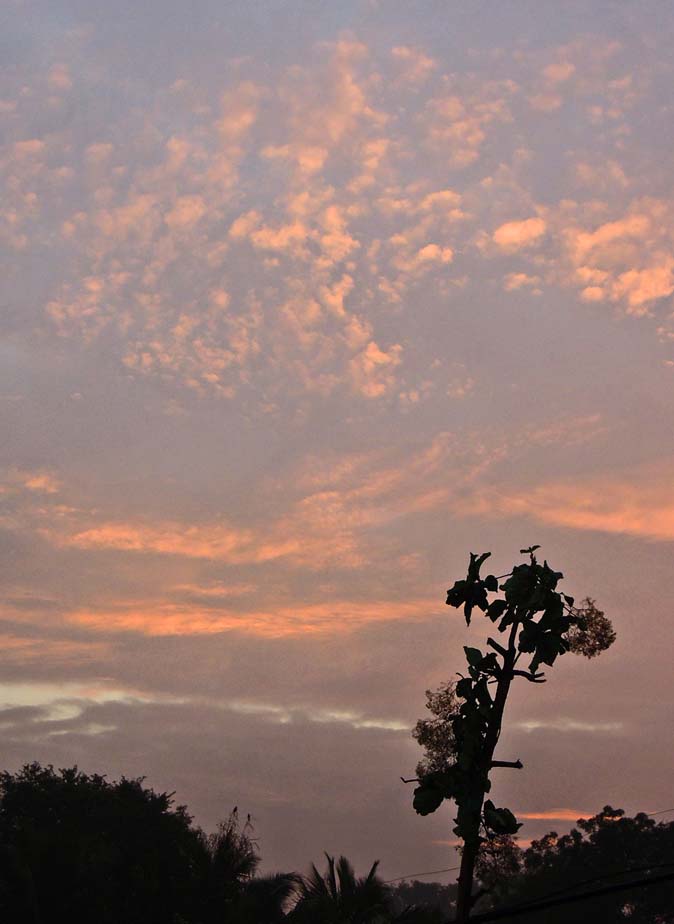

A good day to practice simhasana. 🙂