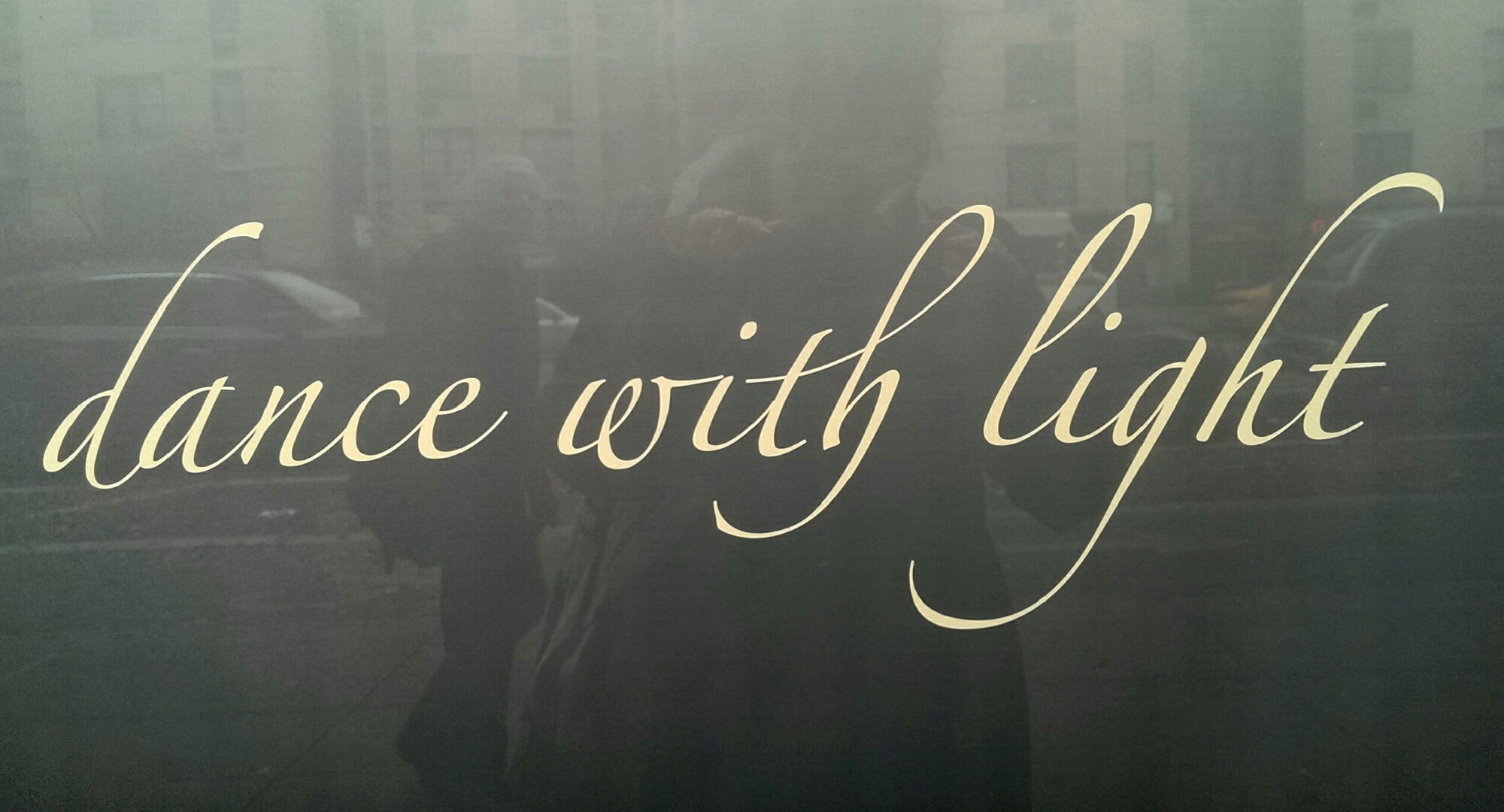
Signs Around Town (NYC Style)

Peace and light, E — Posted with WordPress for BlackBerry.
Peace and light, E — Posted with WordPress for BlackBerry.
I love the tree sculptures by Roxy Paine. This one is in the Sculpture Garden on the National Mall. They are exquisitely beautiful and beautifully crafted. In addition to just appreciating their form, though, they make me think of the perils of society preferring the shiny, the seemingly permanent and indestructible, and the constructed over the breathing, shading, nourishing, life-sharing presence of real trees.

Peace and light, E — Posted with WordPress for BlackBerry.
How luminous the
Low, long, afternoon light come
The winter solstice.
Here is what is coming up from last year–perennials, volunteers, or things I planted in the fall (in order photographs appear and from front to back and left to right within photos): ruby chard, hyacinth, oregano, strawberry, cilantro, garlic, beets, brussels sprouts, kale, mizuna, parsley, arugula, lemon thyme, italian flat leaf parsley, echinacea, garlic, roses, spring onions, chives, mache. I will be planting seeds in the morning.
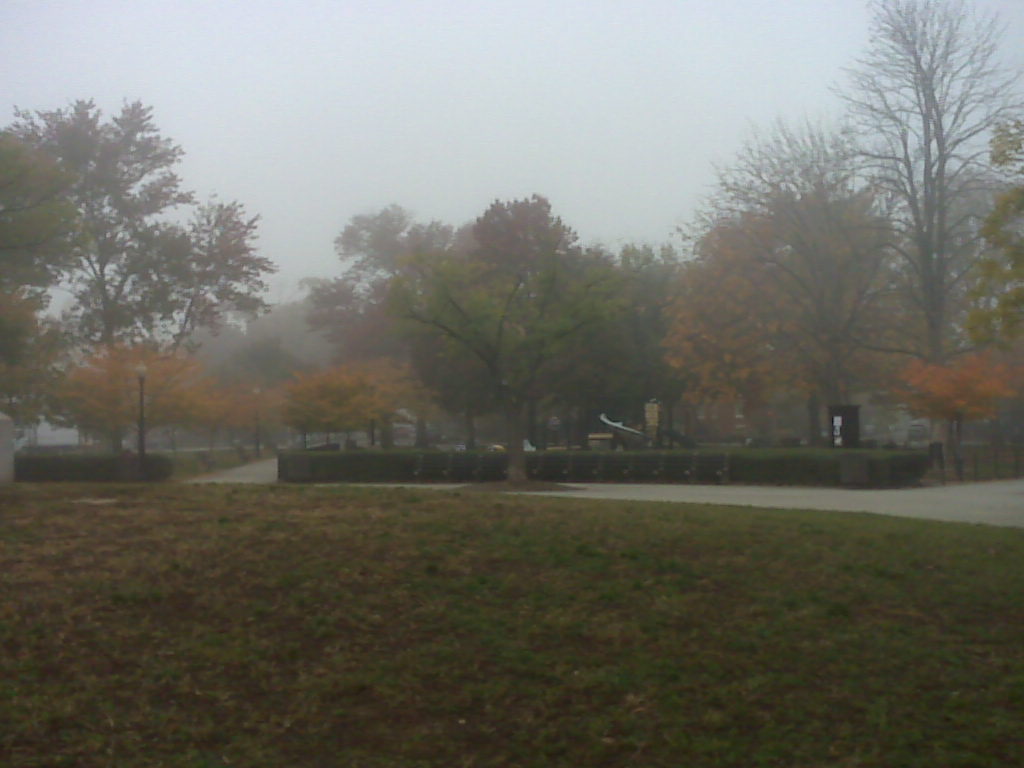
I was greeted this morning by a gentle fog. It is the softness of fog that I love. Sometimes perfect acuity glares, just as technicolor was louder than reality and disturbed perception. A good fog lets one slip into an appreciation of the essence of form without having to get absorbed in the details. If clarity is required, consciously moving closer to the goal will dissipate the clouding by the fog, and the details will emerge.
Peace and light, E — Posted with WordPress for BlackBerry.

Peace and light, E — Posted with WordPress for BlackBerry.