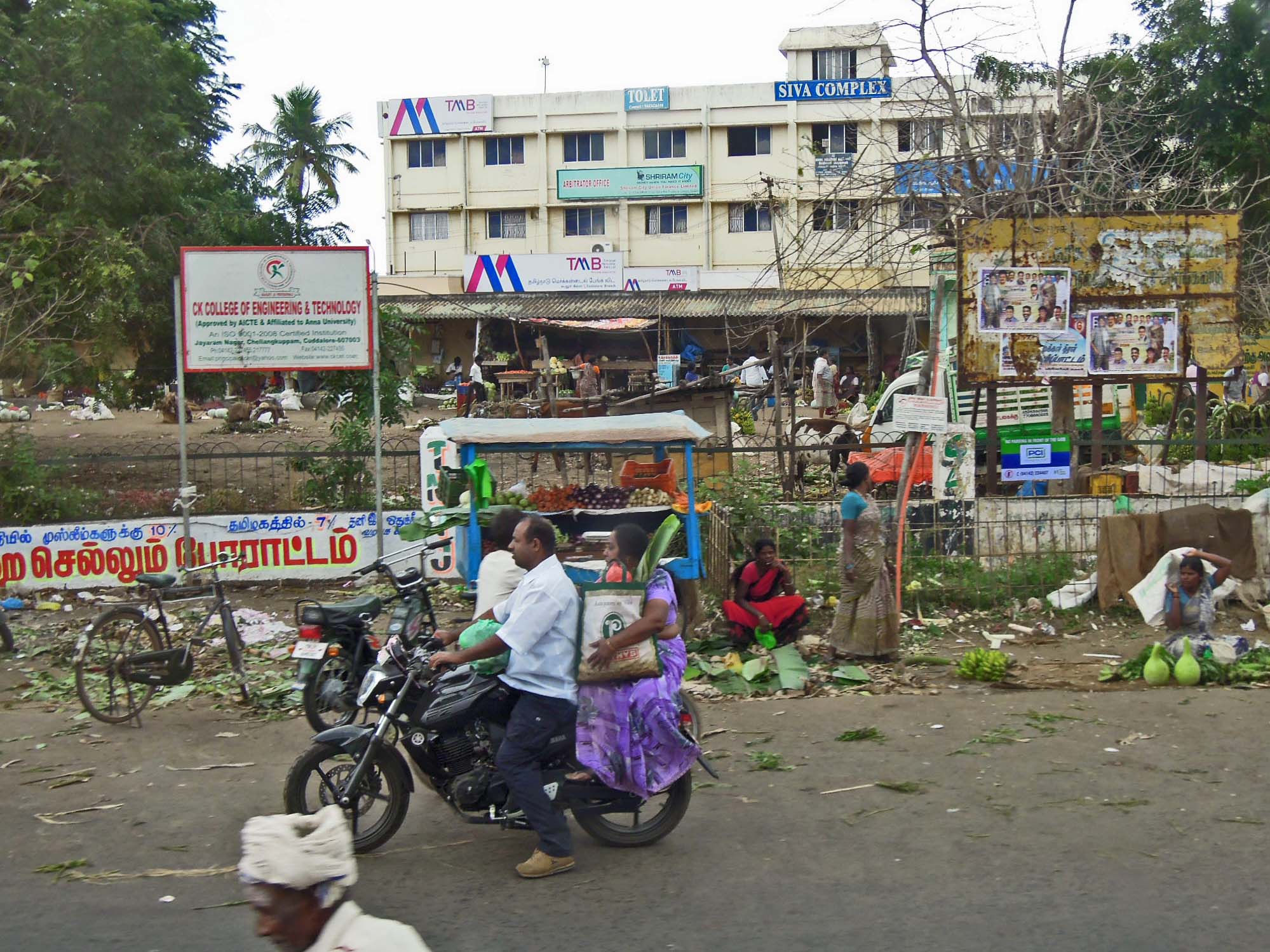
Signs Around Town

Peace and light, E — Posted with WordPress for BlackBerry.
Peace and light, E — Posted with WordPress for BlackBerry.
 Diana with a hound at the National Gallery of Art
Sometimes, when I step back in awestruck wonder at the complexity of human society and what it means to be engaged in rulemaking in that complexity, I like to take a moment and look at pictures from India, a whole other version with much the same and much different.
I invite myself to think about being human in this time and place with this many billions of others. And then I return to my work, confident that my work is both absolutely essential and completely meaningless in the grand scheme of things. In other words, I try to do my best, but still keep in perspective stumbling blocks to completing some mission in the way first intended.
 I took this photo when we stopped on the bridge to Rameshwarum. I doubt I have either the fervor or the fortitude to have gone without the safety and comfort cushion of the bus.
I have been talking idly with the family at Woven History about having a yoga benefit for members of either local community or where Woven History trades who are in need. On a winter evening after closing hours, using the cushions and carpets for props. Here’s one pose I have in mind. You can also do this with bed pillows in a hotel or guest bedroom.

This morning I decided it was time to have a public “Rose Garden Yoga” page on Facebook, in addition to the page under my name.
Before I even figured out whether I had done it correctly, a couple of friends had hit the “like” button. I still do not know when and where it appeared so that would happen. After browsing around, I did figure out how to “share” with my friends that I had created the page and that brought in a few more. I have also added a widget to the welcome page of the blog/website, so people can “like” “Rose Garden Yoga.” (Please do).
Did I need to do this? Absolutely not. Do I find knowing my way around these mediums of expression useful? Yes, because they have become so important to how we communicate with each other across generations, the planet, and various social divides. Do I mind that getting it just right or perfectly current takes more time and skill than I have from just experimenting? Not really. When I want to do more, I spend the time to learn or hire someone to help. It is also sort of fun to just mess around and experiment and discover whether I can figure it out just by trusting that if I try enough different things and don’t get frustrated by not getting it “right” right away, I will end up either with something that serves well enough or will decide it is not that important and let go.
I do enjoy the manner in which you have presented this specific challenge plus it does give me personally some fodder for thought. However, through just what I have witnessed, I really trust as other comments pile on that people today continue to be on point and in no way embark on a soap box regarding some other news of the day.
Along with everything that appears to be building within this specific area, your opinions are generally rather exciting. On the other hand, I beg your pardon, but I do not subscribe to your entire suggestion, all be it radical none the less. It looks to me that your opinions are actually not completely justified and in actuality you are your self not really fully convinced of the point.
In it something is. Now all is clear, I thank for the help in this question.
I am sorry, that has interfered… But this theme is very close to me.
Excuse, that I interfere, but it is necessary for me little bit more information.
I apologize, but, in my opinion, it is obvious.
The matchless phrase, is pleasant to me.
I am final, I am sorry, but it not absolutely approaches me. Perhaps there are still variants?
Excuse, I have thought and have removed the message.
I am sorry, that I interfere, but, in my opinion, there is other way of the decision of a question.
I think, that you are not right. I am assured. I suggest it to discuss.
And other variant is?
You are absolutely right. In it something is and it is good thought. I support you.
I believe, that always there is a possibility.