|

The Earthquake v. Hiroshima

We hear the stories of a the tragedy unfolding in Japan, and our hearts cannot help but cry out.  This is a wonderful aspect of humanity.  A friend sent me an insightful article from Caroline Myss in which she very articulately lets all her readers know why we need to work to ensure that we do not have nuclear weapons (and, I would add, new nuclear power) with which I wholeheartedly agree.

The unfolding tragedy also drives home for me how important it is that we speak out against the wars in Iraq, and Afghanistan, and on the verge in Libya and for sustainable environmental policies.  On the 11th of March, I wrote this in my journal:  “Mother Nature is wild and fierce no matter how much control we try to exert.  I pray that a nuclear disaster does not follow.  U.S. military is working with [later note:  I think that was just an offer] the Japanese to share experience and skill to get in back up power to bring water in to cool the reactors.  Peaceful military work, I am behind.  Some fearful reflection of Hiroshima.”

My question is this:  why are we sending money to those living in the third largest economy in the world (Japan’s own citizens are reportedly wondering why their government is not doing more to help–sort of how people like us wondered and may still be wondering about the lack of assistance from the government of our wealthy country after Katrina)?  We are denying money on a societal level to help those in the poorest countries or perhaps are not making offerings on an individual level (or not speaking to our elected officials about such topsy-turvy, anti-compassion policies?)  Why do we send our hearts and prayers to those suffering from a sudden natural disaster, but forget to do so for the tens of thousands and their families our own country has killed or wounded?  Why do we spend or allow to be spent in our name billions on killing, but let it be determined that we do not have millions on aid for the suffering or for enhancing life through the arts, education, taking care of our cities, our parks, the natural beauty around us?

I, like all of you, am filled with a sense of horror and loss and love and compassion and an impulse to help.  How I am choosing to use the energy of my upsurge in awareness of suffering from the unfolding disaster is to give more than I usually give to organizations that work to heal the environment and to prevent new damage by virtue of the current political policies, to seek the end of war, and to give humanitarian aid to the poorest of the poor who are dying and suffering every day at home and around the world in numbers far exceeding the sudden loss in Japan, and to support the increase in light through the arts and education and parks.

What do you think is the best way you can transmute the natural compassion you have been feeling from reading the news of Japan into making the world a better place?
Similar Posts

  • | | | |

    A Lesson In Making Dumplings

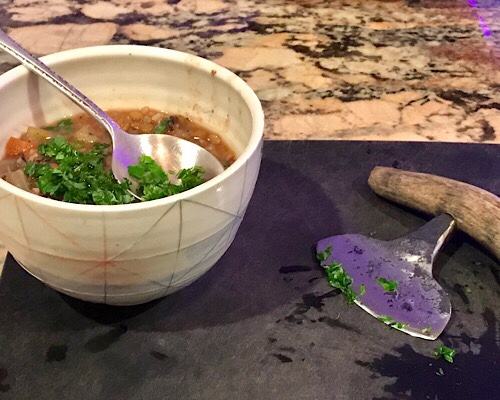
    Last Monday I had the honor and delight to be invited to a multigenerational dinner of homemade dumplings at a neighbor’s house.

    I was told it was customary for guests to shape a share of the dumplings; the hosts do everything else. As I have not grown up making dumplings as part of group family activity, that meant I needed first to be shown what to do with the already made dough and filling.

    Skills used to make homemade noodles, tortillas, and pizza helped make dumpling shaping an accessible activity. It was tricky at first. Two people were showing me two different ways, which was somewhat confusing in an enjoyable way, and helped emphasize that for friendly dumpling making, ultimately, everyone needs to find their own method that works for them. Also, as with many hand skills, because it was the first first time I was being shown, I was simultaneously transposing it from right to left-handed.

    It only took two tries to get a dumpling that wouldn’t explode in the pot and lose its filling. It took several more to make one that had nice pleats and blended in with the rest.

    We had an interesting discussion about the difference between learning by eating several variations and then reading several recipes and then trying to replicate a version that resembled what I had eaten prepared by someone who learned from childhood as part of a multigenerational group process.

    I have long contemplated, and continue to do so, how my comfort in learning anything from a book and then seeing if I can do it or something like it, has shaped my meditation and movement practices.

    It’s pretty easy to see which dumplings I made. No difference in taste. I was also happy to contribute garlic chives from the garden.

  • |

    The Hair Pat-Down

    When I was going through airport security today in San Francisco on my way to Los Angeles, the security guard made me stop. She patted my hair all around my neck and then let me go. I had read an article a few weeks ago (probably in the New York Times), written by an African-American woman complaining of the hair pat-down. The author said that though she knew many woman of color who had experienced it, she knew of no white women, no matter how curly their hair. When it happened, I thought, “well, I’m a white woman who has been given the hair pat-down.”

    When my blonde friend, whose hair is thick and curly, met me at the gate, I asked if they had patted her hair. It was not a surprise the answer was “no.”. My wild and frizzy, dark, ethnically jewish hair is still scarier to this society than pretty blonde, northern european tresses.

    Peace and light, E — Posted with WordPress for BlackBerry.

  • | |

    Guests at Judy Chicago’s Dinner Party

    A few of the guests at Judy Chicago’s Dinner Party, on view at the Brooklyn Museum, in particular caught my attention when I visited last weekend.

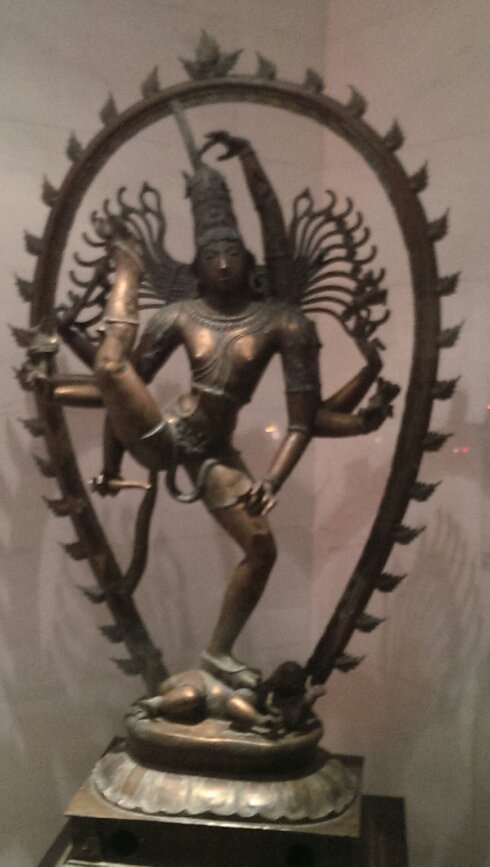
    It’s worth visiting if you have never seen this invocation to the many facets of the goddess–calling her by many of her many, many names, reminiscent of the yogis invocations to the 330 million god(desses).

    Judy Chicago 1aJudy Chicago 1b

  • | | |

    Arugula and Green Garlic Pesto

    There’s lots of arugula in the garden.  Some still new enough to save for salad, some that has bolted in the heat.  The cilantro is just about gone with the dry heat.  The basil and parsley have gone to flower.  As I thought about how best to enjoy all of what was there while simultaneously best tending the garden for optimal growth (much like yoga practice), I remembered that I had seen a farmer with arugula pesto at the Dupont Circle Fresh Farm Market last week.  I bought something else from the farmer to honor the idea, fully conscious of my own garden full of arugula calling out to me.

    Making pesto was a great way to optimize the bitter tang of the flowers on the older plants.  (I left a few of each type of plant to go to seed for a second crop starting in late summer on a volunteer basis).  I added enough of the young arugula and some tender parsley and basil leaves, along with the basil flowers, to bring out the arugula taste that would have been hidden by the bitterness in the plants that had flowered if not been combined with other foods.  I pureed the chopped greens with olive oil, walnuts, and green garlic.  Salt and pepper to taste.

Leave a Reply

Your email address will not be published. Required fields are marked *

This site uses Akismet to reduce spam. Learn how your comment data is processed.