Art Environments Around Town

This summer, we will be exploring a very few of the names of Shiva and how they can draw us to a better understanding of ourselves on and off the mat.
According to the sources, Shiva has either 108 names or 1,000. Each name has a different meaning. All of the meanings point to aspects of our own being that are worthy of contemplation. Some aspects will resonate more deeply for us. Some less so.
For me, besides my almost childlike delight in of lists, words, and myths, contemplating the various aspects is of deep usefulness in exploring my understanding of myself on and off the mat. The various names describe different aspects human nature and how we relate to others and the earth.
The multiplicity of the names also highlights that each of us names and experiences spirituality in a unique way and should have the freedom to do so. (As an aside, I think this multiplicity of forms of worship could be seen as a kind of rebellion within a rigid system of religious laws, but that is a whole other set of thoughts).
In using these forms of meditation as part of our yoga practice or otherwise, whether we meditate on highly abstract notion of “Shiva” representing the auspicious nature of all beings or on one of the names that points to individual aspects of personality, contemplation on any aspect or name can be used to deepen our relation to our best self so that we can be more aligned with our world inside and out.
For class this summer, we obviously cannot get to more than a very few. Feel free to send to me your suggestions about names to highlight.
It’s hard to believe that I’ve only been home from India for a little over two weeks given how busy I’ve been at work. I found some time this afternoon to pick out some photos to share.
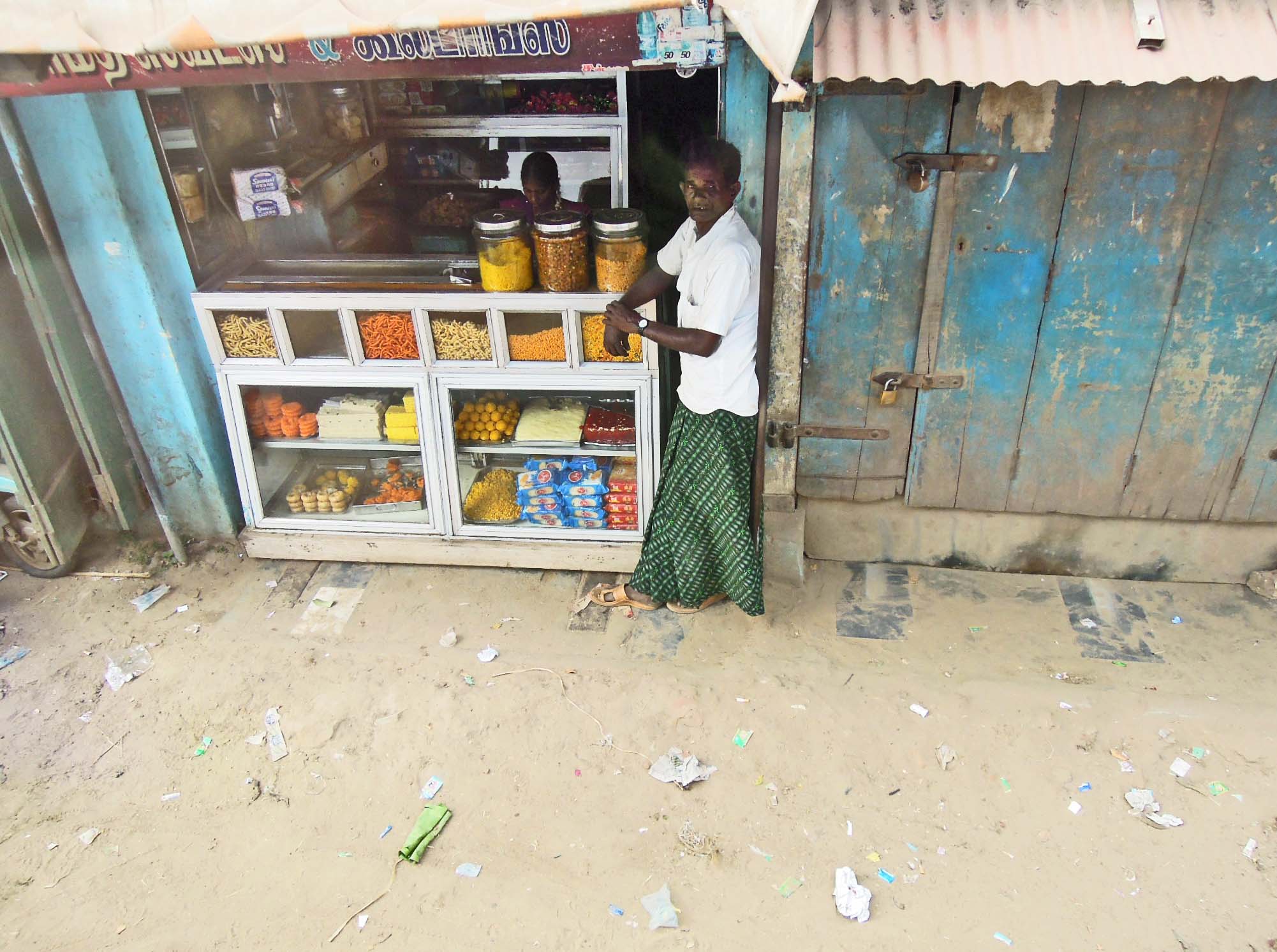
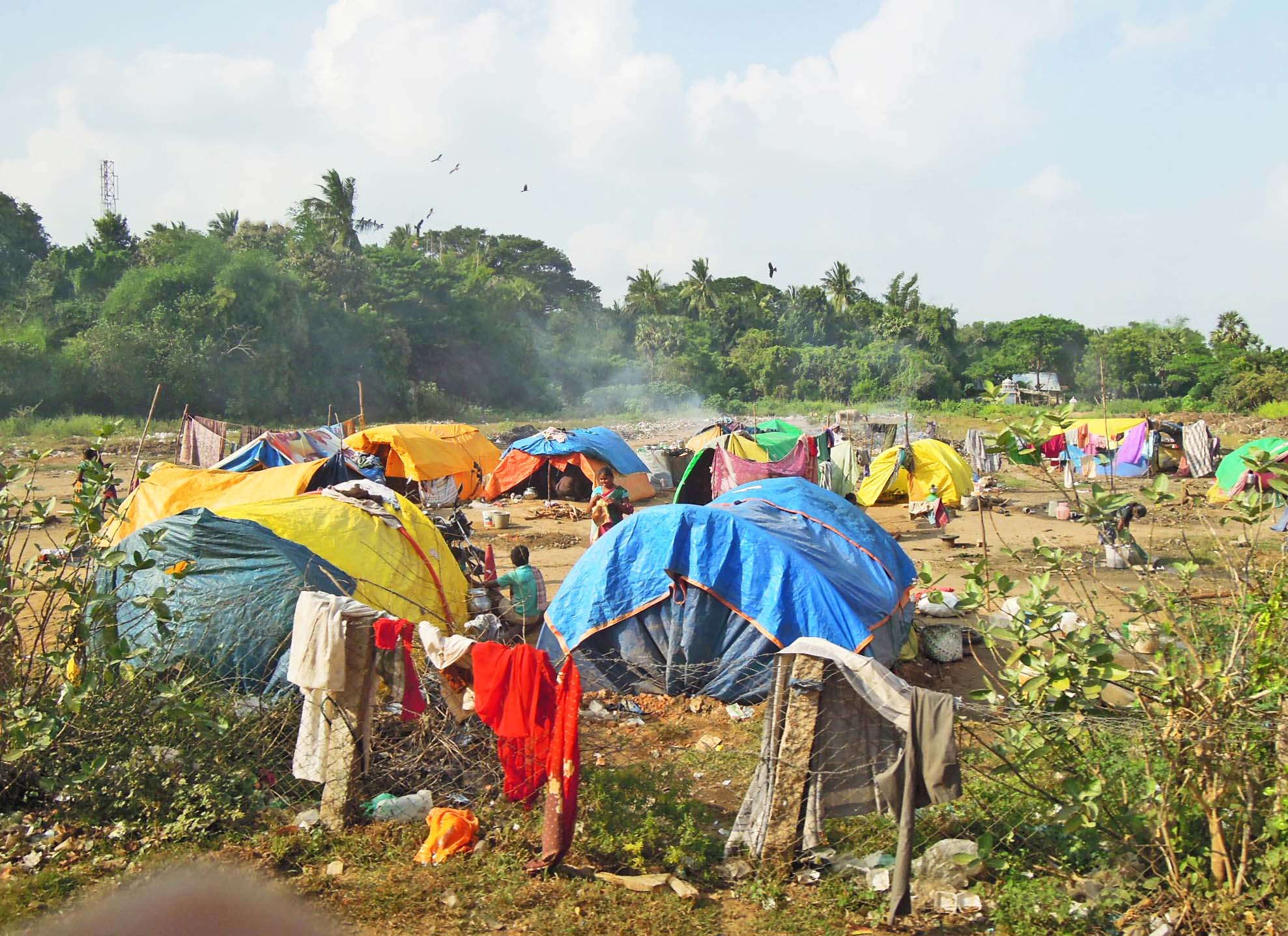
On this second trip to South India, I was even more conscious of the protective bubble in which we traveled. I am not afraid or ashamed to admit that some of the places through which the bus drove would have been a big travel challenge for me without the bus and knowledgeable, competent, supportive guides.
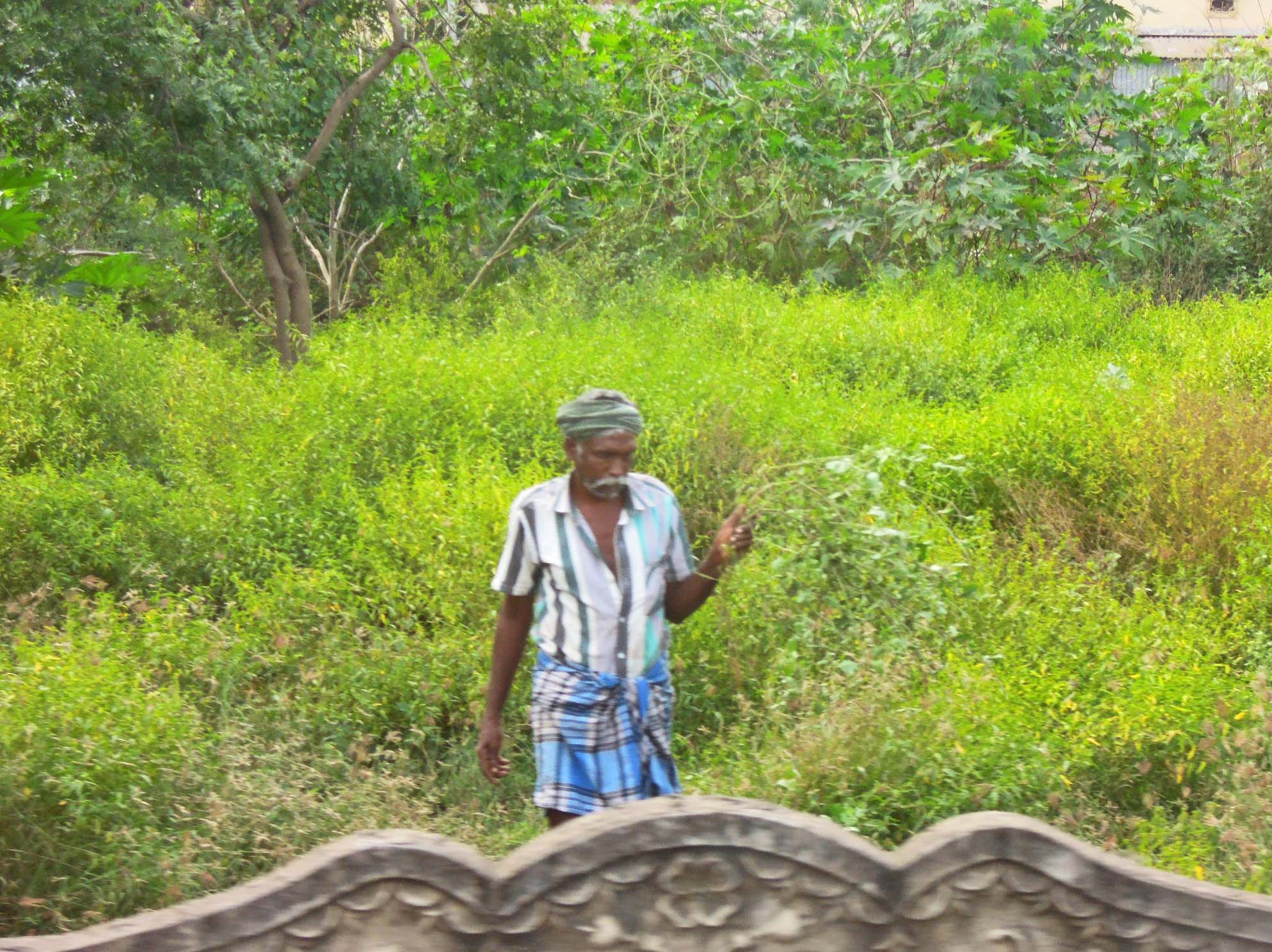
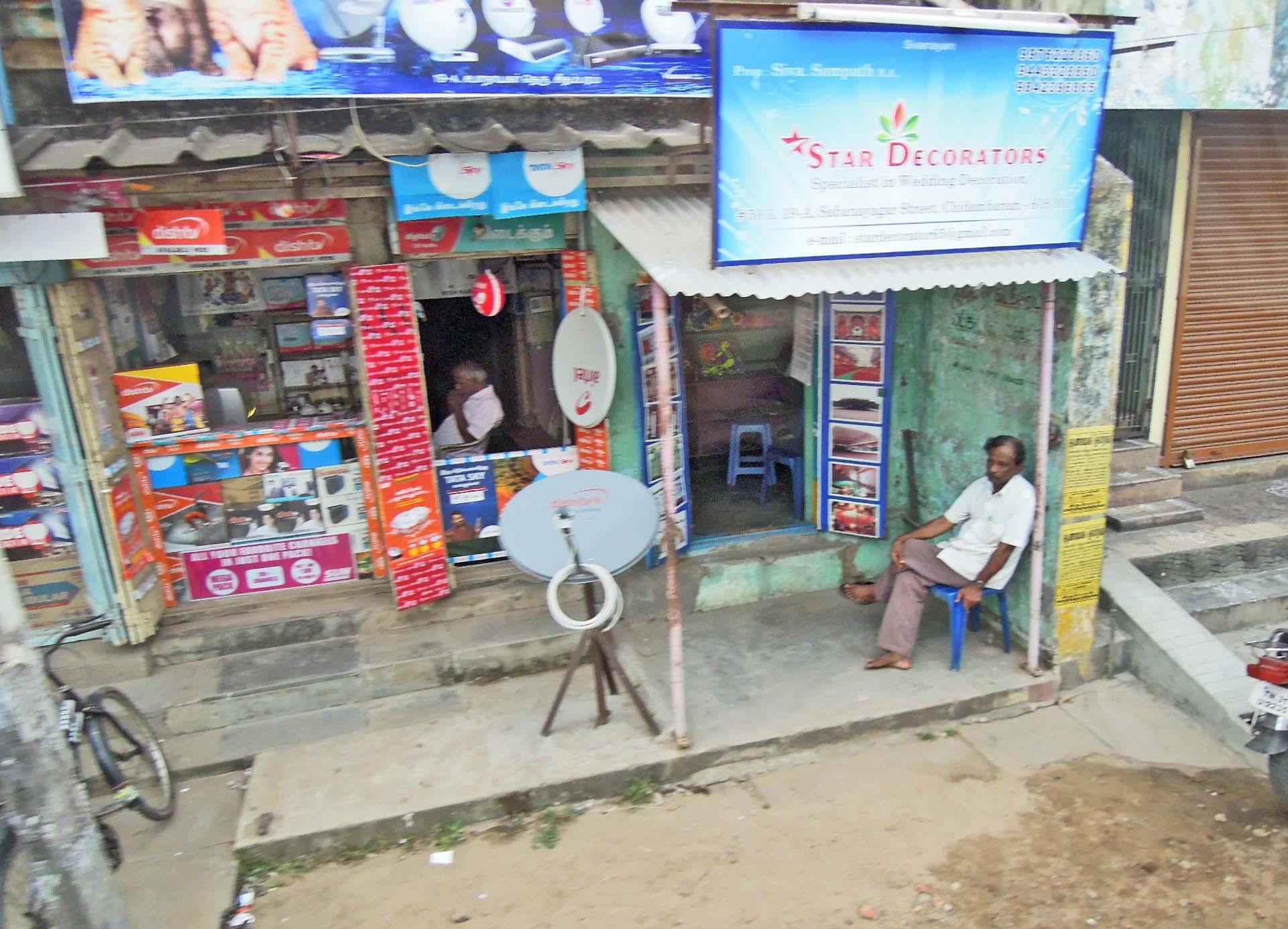
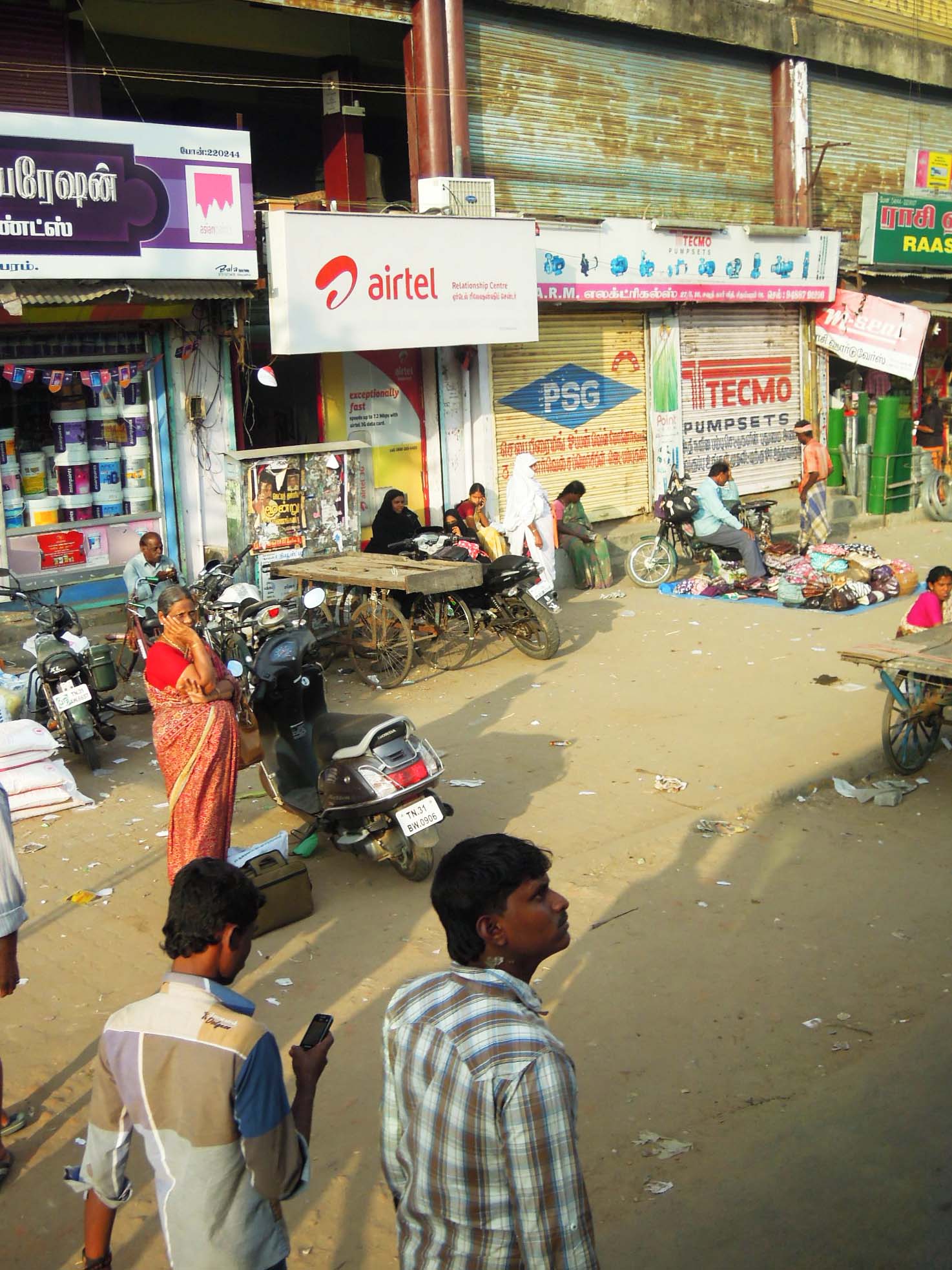
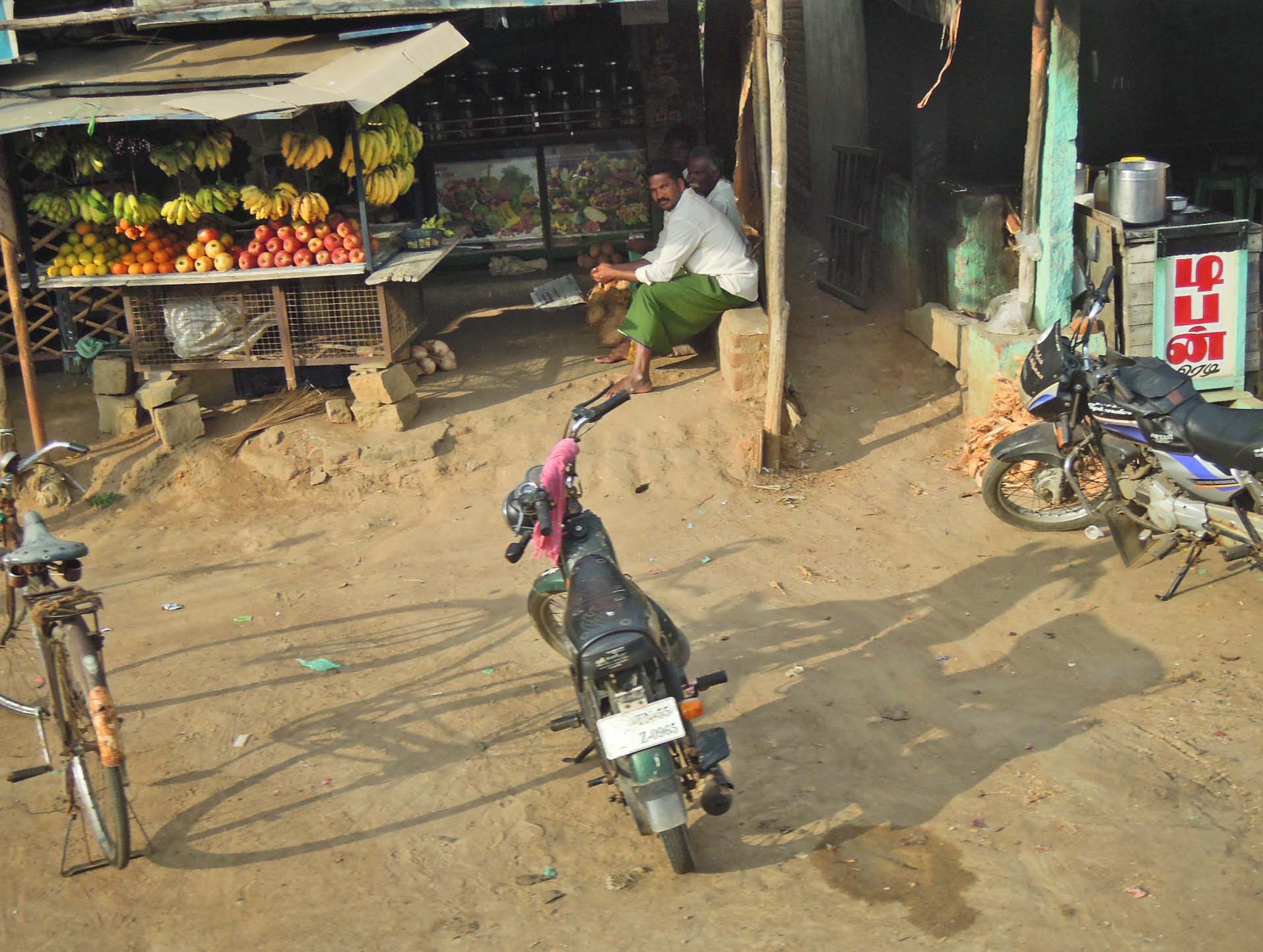
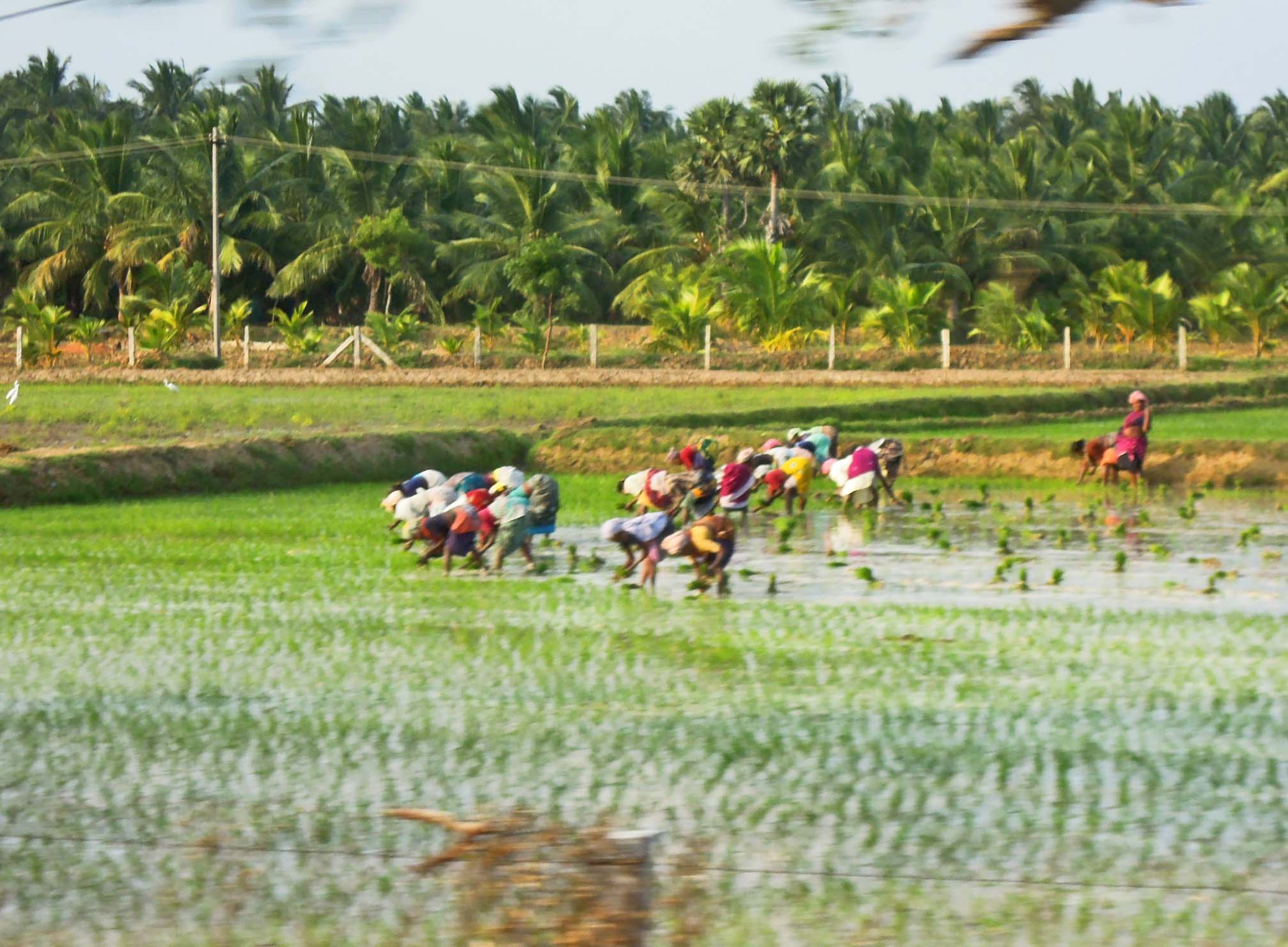
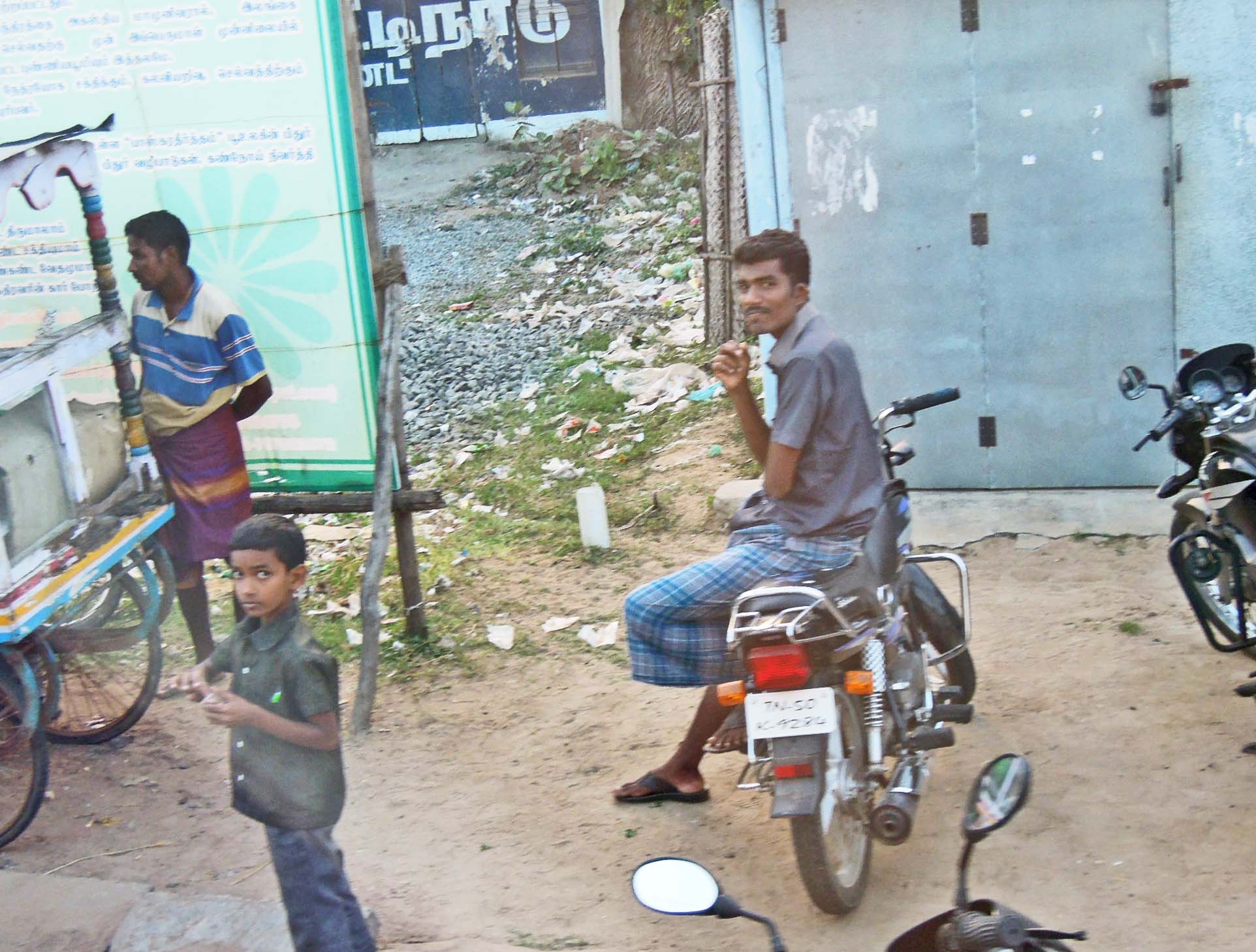
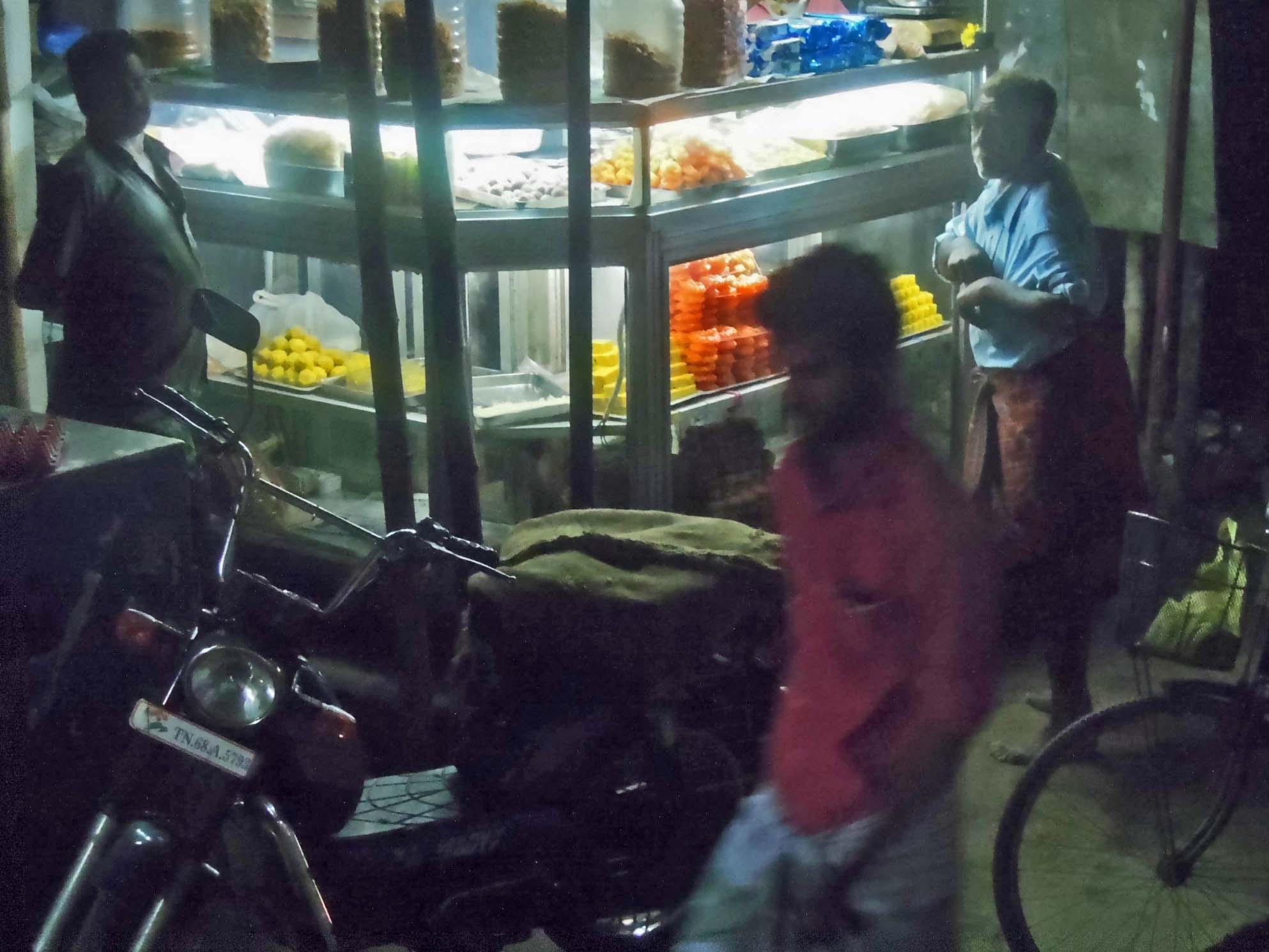
These photos were mostly taken on a long day’s ride that became that much longer to encompass a detour to incorporate a last minute addition to the itinerary of an older and beautiful Shiva temple (I took the photo of the jackfruit vendor I posted last week after this temple visit). The detour was one of those only 20 kilometers extra detours that turn out to add three hours to the trip because it shifted from the main road to tertiary roads–I’m sure you, like I, have done that in the mountains somewhere), and it was truly someplace else from where I am used to being.
It was hard to be on the bus for those extra hours, but it was powerfully interesting to observe. Do click on individual pictures to see detail and facial expressions and in some, of course, the signs.









Spotted in my backyard in the last month (in no particular order): carpenter bees (concentrated wintergreen oil spray works to get them out of the deck; no need to use chemicals), yellow jackets, wasps, mosquitoes, house flies, aphids, sparrows, pigeons, morning doves, starlings, cardinals, robin redbreasts, mocking birds, gnats, earthworms, cabbage butterflies, slugs. I have invited in praying mantis (hoping for the best). I choose to trap the rats and monitor for termites (or I would be seeing them). The ants are late this year.
Teeming with life or full of unwanted pests? It’s all a matter of perspective. What I do know is that the beings whose presence I welcome and enjoy would not be there if I just had a pesticide-laden chunk of concrete.

I love this.
most of us might ask, who have the health, education, material well-being, and computer access and skills to be able to read this. “Not luck, but grace,” Paul Muller-Ortega advises that Swami Chidvilasananda would say. For this grace, practice gratitude.
When we fully recognize that what we have are gifts, then it should lead us naturally to want to use our gifts to serve and share our well-being.