Untitled

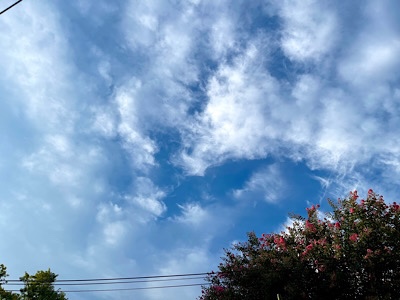
The rain did much to brighten things here, given the prolonged dryness this fall and winter. It is hard to believe the massive flooding potential just hardly more than a hundred miles north.
Peace and light, E — Posted with WordPress for BlackBerry.
I have been indulging in reading the thriller Angelology (complete with stories of angels and the war between good and evil), which I picked up at the Books for America shop in Dupont Circle a couple of weeks ago for the kind of night of reading that is the equivalent of a night of watching television if I had a television. Relatively early in the book, a professor says to one of the brilliant students who is a central character to the plot: “I have found that our texts will speak deeply to someone or they will say nothing whatsoever. It depends upon your sensitivity toward the subject. The mind and spirit become ripe in their own fashion and at their own pace. Beautiful music plays, but not everyone with ears can hear it.”
This statement encapsulated the ongoing thinking I do about my attraction to yoga and the tantric philosophy. I was contemplating especially deeply this week on my return from California, with no particular insight arising, what has drawn me in to this world of meditation and yoga. What am I doing, having been born in New York City and working as a civil servant in DC, coming from atheist Jewish grandparents and converted to Quakerism parents, finding such joy in learning Sankrit chants and working with energetic principles described in these ancient and medieval Indian texts? I do not doubt that the practices resonate and the texts speak to me and that the attraction is energetic, just as we are drawn to certain tastes and colors and entertainment and people and no interest arises from others. I just wonder why these practices and texts and not something else and why they hold me to such a degree that I am moved to teach them.