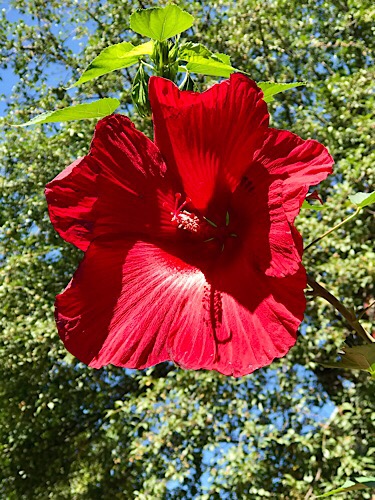
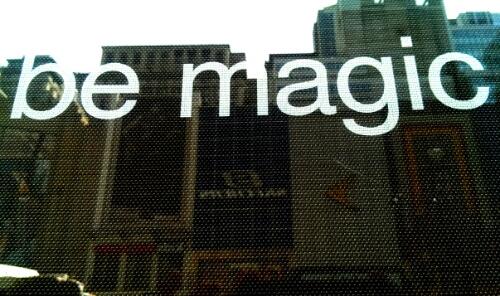
On the Way to William Penn House for Tuesday Night Yoga Practice
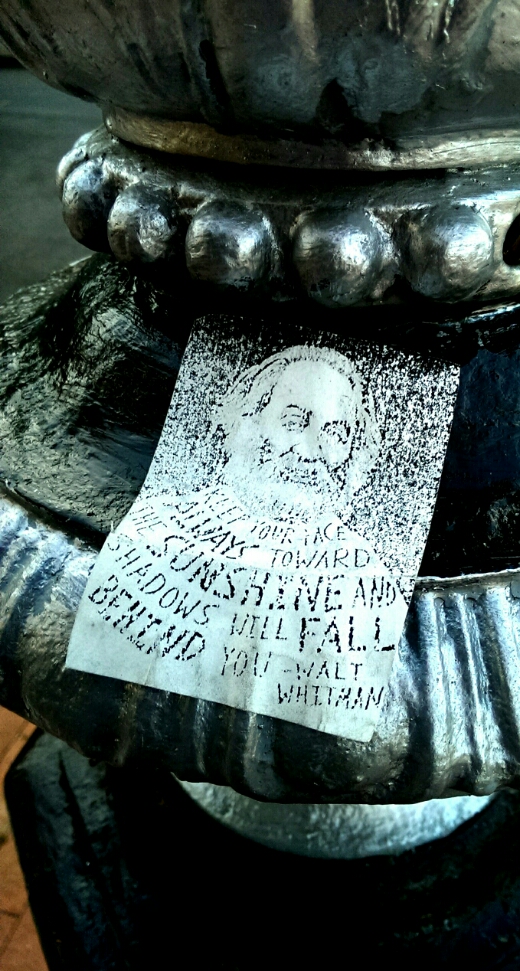
My trip to the Anusara Grand Gathering was some loop of a trip, spiraling and pulsing between urban and rural, quiet time and enthusiastic gathering, old places and new scenery. Last Saturday, I took a morning train to Manhattan, where I went to the Rubin Museum–one of my favorite spaces in the City, walked to see the Ai Weiwei sculptures in front of the Plaza, and ate good food. On Sunday morning, I got back on the train, this time heading north to Saratoga Springs. Just north of Croton-on-Hudson, I saw soaring over the river a raptor with an enormous wing span, white head, and brown body and wings — most likely a bald eagle.
My friend Suzanne picked me up at the Amtrak Station in Saratoga Springs. We went back to her house for lunch. Before driving to Stratton Mountain for the Anusara Grand Gathering, she showed me her studio, which is a wonderful space; I look forward to visiting again. And then we were in Vermont with John Friend, the scholars, the certified teachers leading the break out sessions and assisting, the musicians, the outdoor art, and a few hundred committed yogis. (See previous four posts for my thoughts o the Grand Gathering).
On Wednesday afternoon, I rode back to New York with a fellow yogi and teacher I have long admired. I decided on pure impulse, since we were getting to the City a couple of hours early, to visit my parents. We were able to spend the evening and morning talking, and then my mother and I went to Old Westbury Gardens (check out the new Facebook profile picture my mother took in the rose garden on my personal page and please “like” my public page, if you haven’t already).
I caught the Long Island Railroad to Penn Station and then Amtrak back to DC. The next morning (Friday), I worked a full day, returning to quite a slew of emails. In the evening I had a massage and went into the garden to reground myself. Went up to Takoma on Saturday to teach, circling immediately back into the rhythm of home.
The photo montage below gives an idea of the wide variety and quantity of input into mind and senses. There was actually much quiet time in this whirlwind. I spent all the time on the train listening to teleseminars, studying, writing in my journal, watching the scenery, contemplating, and napping. More important than the quiet space of the train rides, every day of the trip, I sat, as I do each day wherever I am, for meditation morning and evening. While on the road, my meditation gave me a space that was home; when I came home, it helped get me settled and able to carry forward the openings and shifts from going on vacation into my at home routine.
A steady practice gives us a still point, a space that stays steady and nourishing. The more consistent we are, the easier it is to access this space (hridaya), no matter how much life seems to whirl and spiral around us.
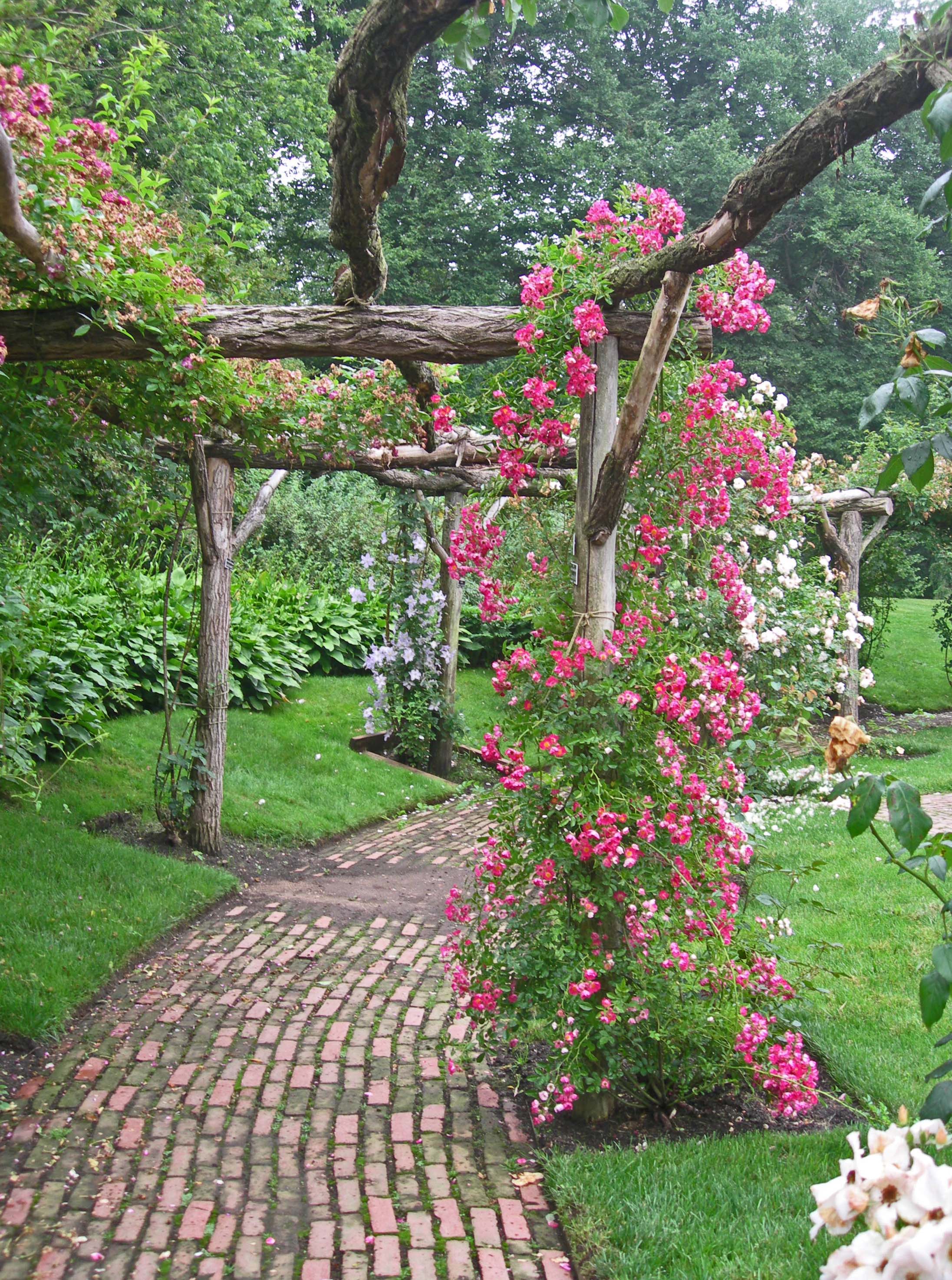
Photos are in order of travel: Manhattan, Upstate New York, Vermont, Anusara Grand Gathering, Old Westbury Gardens, points on route, and back home with offerings from the garden on my kitchen counter (welcome home).
NYC, Philadelphia, DC.
Peace and light, E — Posted with WordPress for BlackBerry.