Art and Culture | Asana, Pranayama, and Yoga Practice | Food for the Mind (Yoga Philosophy, etc) | Meditation | Photos
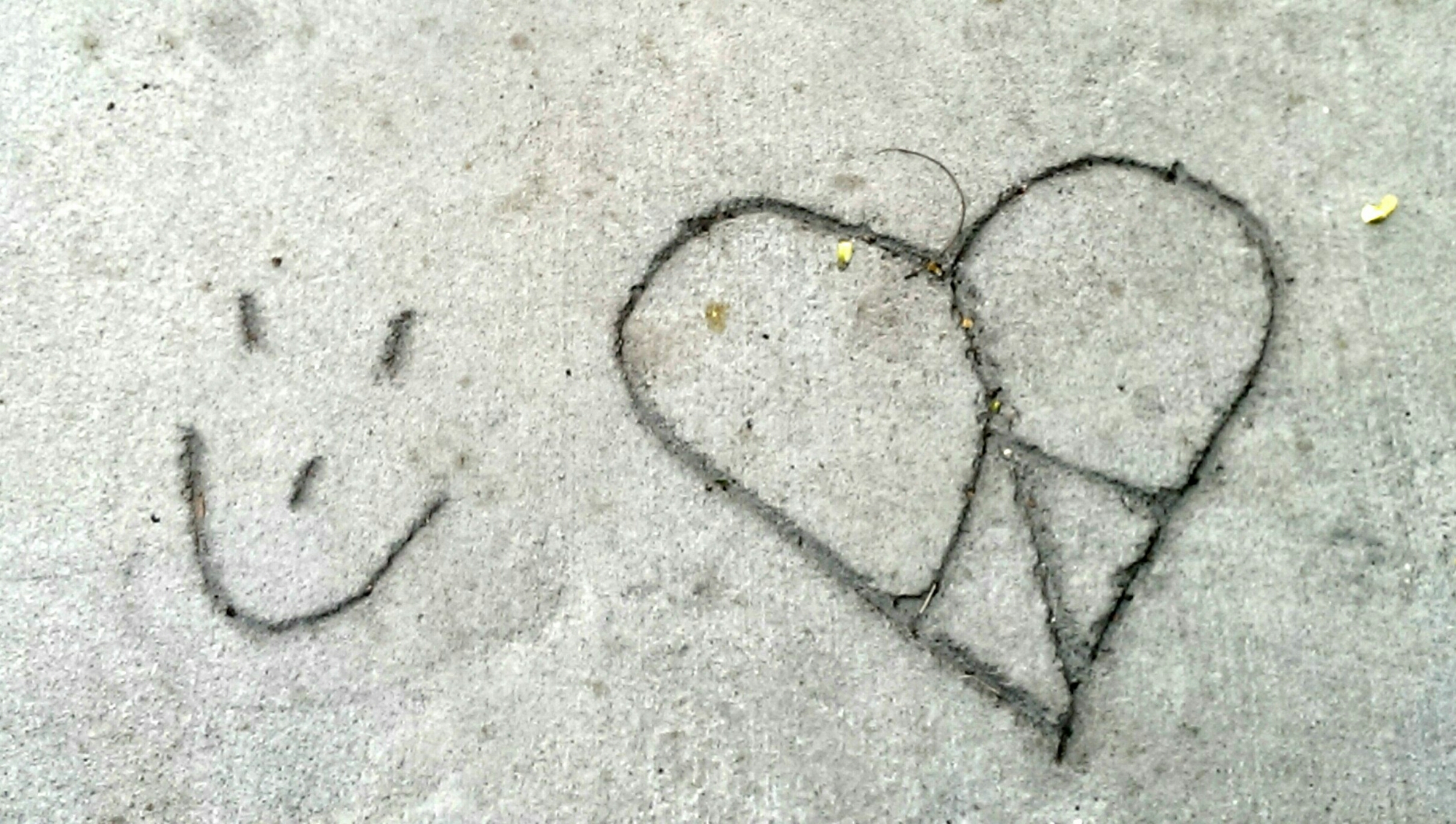
Peace Love Happiness
The other night after yoga class, a group of us went out to celebrate a friend’s 39th birthday. During the ambling course of the conversation, I said that I was turning 50 later this year. I added that I would grow my hair another couple of inches longer and lose three pounds, and 50 would be just fine (let’s leave aside for now all the societal conditioning that goes along with feeling that such an age marker wouldn’t feel too old as long as my hair was long and my body at a youthful weight).
“Who goes on a diet to lose three pounds?” asked one of my friends. I find that people sometimes look at me and are shocked that I pay attention to my weight. They have an idea that someone who stays slim is just lucky rather than consistently mindful. My grandmother who was 4’11” in her high-heeled slippers was the one who taught me to be mindful in this way. Once or twice a year, she would moderate her diet to lose the two pounds that crept on after one too many desserts over the course of a few months without any other change in her modest, healthful for those days diet.
Going on a diet to lose three pounds means never having to lose 10 or 20 pounds or more. It means returning to mindfully eating a little extra less for a couple of weeks after a couple of months of having eaten a little more than what is perfectly sustaining rather than having to go through a major lifestyle change. In my middle age, I pay attention to my diet not as much for how I look in my clothes and feel about my body, but more for whether what I am eating is healthy for me and the planet. One of the best and easiest ways to be at an optimal weight, feel healthier, and have less impact on the planet is simply to eat less (though this is a new announcement by the government, any one with even an ounce of common sense knew that, no matter how much exotic, novel, or challenging diets seemed more appealing).
Part of eating the right amount for your ideal fit with your body and its relationship to the planet and society is having food that is not necessary for a healthy body only on special occasions (which is different than rigidly forbidding it to yourself). In reviewing what is sustaining for me and the planet while still enjoying a delicious diet, I periodically take a look at what I am eating and think about what is really fulfilling. One of the things I enjoy, but have known really should be a treat is orange juice (which I stopped drinking on other than an occasional basis several months ago and truly have not missed).
If you are eating multiple servings of vegetables and a piece or two of fruit a day, orange juice processed, packaged, and shipped outside of a grower state provides little more benefit to your diet than does a can of soda. If you kept everything else in your diet consistent and aren’t already eating enough to be gaining weight, eliminating the unnecessary glass of juice would not only diminish your carbon footprint (and if it is not organic, your chemicals into the drinking water footprint as well as your carbon footprint), but you also would be eliminating the number of calories it takes to gain a pound over the course of a month. And if you live in one of those states covered in snow and ice and are yearning to eat something from the land of sunshine, eat an orange or some other tropical fruit–organic if you can get it — and skip the processing, the cooking (pasteurizing), and some of the packaging that goes into it being shipped to your grocery store as juice.
I went down by the river and around through the neighborhood. Toward the end, I met some crows. They are watchful beings.

As I was preparing my week’s classes, I was led to contemplate the off-the-mat import of the words — “in, back, and apart” — used to describe the actions that activate the Anusara alignment principle “inner spiral,” which is also referred to as “expanding spiral.”
The meaning and point of “yoga,” we are told is union. In the Anusara system, inner or expanding spiral is a critical element of the “universal principles of alignment,” which are designed to get us physically and energetically into our optimal blue-print.
How can going in, back, and apart be what would create an expansion that would enable us to better experience our whole selves and all beings as spirit and in unity? Doesn’t that sound entirely backwards?
Going “in” is one of the key aspects of yoga practice. If we only look out, we can get caught up is grasping and longing, which causes great suffering. Although we need also to appreciate the outside, going in, especially by means of meditation. Going in is what enables us to discover our only true freedom, which is the freedom to choose how we react internally to whatever is going on outside of ourselves.
Moving back in yoga is not the same as backing off or away or turning one’s back on things, which would move us away from connection. Rather, when we move our awareness to the back body or open to what is all around us and not just what is forward-looking, we can soften and open to the unknown and to the unseen, allowing the subtle energies to move and guide us to deeper insight as to what connects and unifies.
Moving apart in inner spiral literally is the expansive component of the action. Moving apart is not becoming more separate, but making space (spaciousness) where there was binding, allowing for more freedom to experience all that is possible. It is also about breaking apart from our preconceived notions of being limited and different.
Moving in, back, and apart does not just realign the legs so that we can heal our pelvis and low backs and radically expand our flexibility even as our bodies age (as if that weren’t good enough). Energetically, it can revolve our whole way of connecting to ourselves and the world.

Peace and light, E — Posted with WordPress for BlackBerry.
In the tantric philosophy, one of the aspects ascribed to the ultimacy of being itself is that it is completely free (svatantriya). Even when elemental being manifests itself as limited in time and space (as humans for example), it is part of the very dance, the play (lila) of existence.
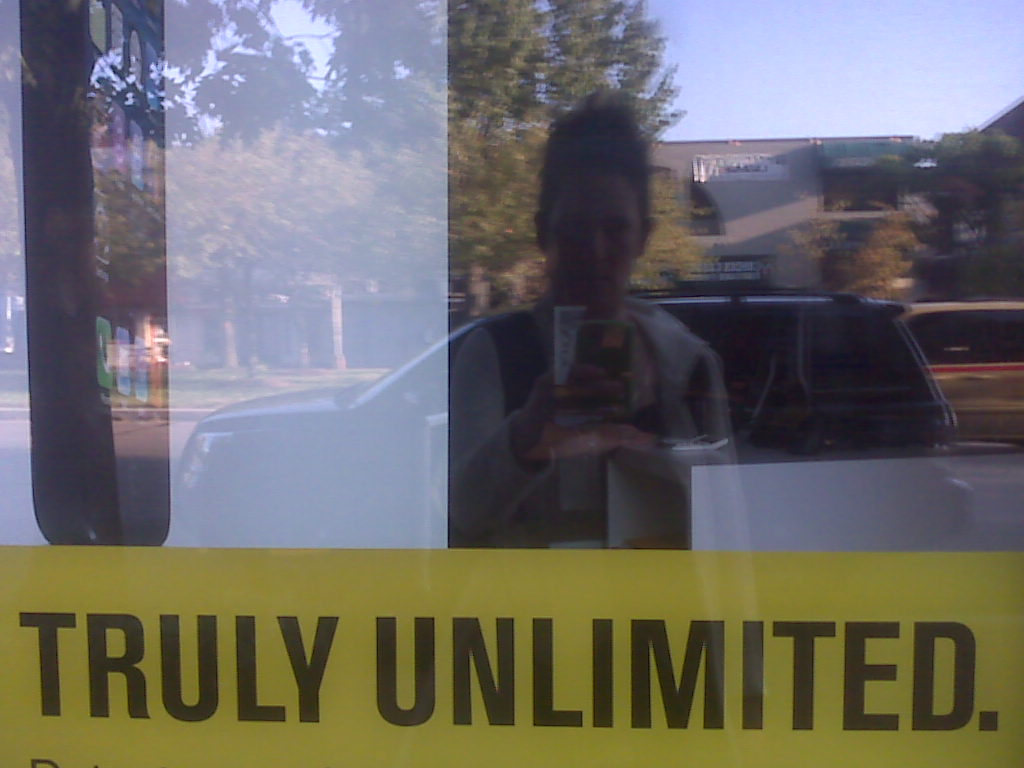
I find it fascinating how much of our advertising uses language that in essence promises that we will realize aspects of our divine nature by owning some material thing or indulging in some activity. What is being sold, by those terms, inevitably fails deliver and must thoroughly disappoint. This thing on offer might be a wonderful technological toy that would be great fun to use, but hardly could bring unlimited freedom. If it did, we wouldn’t want to buy the next version.
Peace and light, E — Posted with WordPress for BlackBerry.