Asana, Pranayama, and Yoga Practice | Community and Family | Dance/Contact Improvisation | Food for the Mind (Yoga Philosophy, etc) | Meditation | Photos | Quaker
Found Exhortation


Peace and light, E — Posted with WordPress for BlackBerry.
The Isha Upanishad starts, “That is fullness (purna). This is fullness. Fullness comes from fullness. Take fullness from fullness, and the remainder is fullness.”
My maternal grandfather died when I was just a toddler, so I never got to know him. My mother used to tell us that when he had eaten enough at a bounteous meal, he would say “that was an excellent sufficiency and any more would be a superabundency.”
On Sunday I went over to Lovejoy Gardens to my little plot (approximately 3′ X 7′ raised bed on concrete, half shaded by a fence) and harvested tomatoes. There were about 15 ripe tomatoes. The first thought was that it was too many tomatoes. Then I thought of all the neighbors I had who didn’t have their own tomato plants. I knocked on one neighbor’s door. He gave me tea while I played with the cat. I gave him tomatoes. I went for a massage in the afternoon. I brought tomatoes. I was sent home with freshly made spanakopita. I invited another neighbor over for dinner. We at pesto with basil from the garden and cucumber and tomato salad (cucumber, tomato, and shallots all from the garden drizzled with a little of the best balsamic vinegar and seasoned with just ground sea salt and pepper). We had a lovely visit, and I sent him home with tomatoes. In the next day or two, I will make a batch of tomato sauce and put it in the freezer and have someone over for dinner another night.
There is only “too much of a good thing” or a “superabundency” if we hoard it or try to ingest it all ourselves out of fear, greed, or desire for power or control. When we have enough ourselves and then share the abundance, we simply create more abundance. Once again, I am given again from my garden another sweet insight into the yoga teachings. I am also reminded by this small example that I could share even more broadly from my blessed lot of fullness in global society.
On this mahashivratri , the darkest moon of winter, the night to delve into our dreams, into the rhythms of the wild dance of existence, experiencing the fullest emptiness . On this night, too, the goddess Uma (aka Parvati) incarnate as feline WHO IS NOT SUPPOSED TO BE ON THE BED appears to have been reunited with Siva Nataraja.

When I googled (that should not be a verb) “holiday madness” this morning, I got one million three hundred thousand hits. Yikes! Most relevant websites are about surviving shopping, over-eating, family, and travel. Madness in such a situation is a choice. We can choose what to consume, how much, when, and with whom. It is a choice whether “celebration” requires consumption beyond what our financial, physical, and emotional means permit.
The yamas and niyamas as revealed by Patanjali provide beautiful structure for thinking about the holidays.
Yamas:
Ahimsa–non-harming. Don’t consume more than is harmful to yourself, those who have created what you are consuming, and the earth.
Satya — truthfulness. Be honest with yourself about what is right for you to celebrate and observe and what brings meaning to you as a holiday celebration.
Asteya — non-stealing. Consuming beyond your means, especially financially, is a form of stealing (look at what generated the recession).
Brahmacharya — moderation (aligning with Brahma). Enjoy the offerings of the earth in a way that uplifts rather than sickens or detracts from spirit and self.
Aparigraha — non-greediness; non-covetousness. Enjoy what you have without coveting or trying in a detrimental way to have what others have and you do not.
Niyamas
Sauca — cleanliness, purity. Consume in a way that is healthy for yourself and the planet, that does not create illness, refuse, and waste.
Samtosha — contentment. Wherever you are, whatever you have, whatever is going on in your work and family life, think of that for which you are grateful, that which brings you happiness, and focus on what you have. Contentment is a practice.
Tapas — fire, ardor. Be on fire to practice, to shift, to make this a life-fulfilling year of generosity and compassion.
Svadyaya — study of text, self-study. Take the holidays as an opportunity to deepen your understanding of yourself, society, and your spiritual beliefs and how they interrelate.
Ishvara pranadhana — surrender, recognition of the spirit. Let go a little. Surrender to a sense of fullness. Allow the abundance and recognize it as a wondrous gift. Remember the word “holiday” is really two words: “holy day.” Make this time holy, whether or not you observe a particular religious tradition at this time of year or any other.
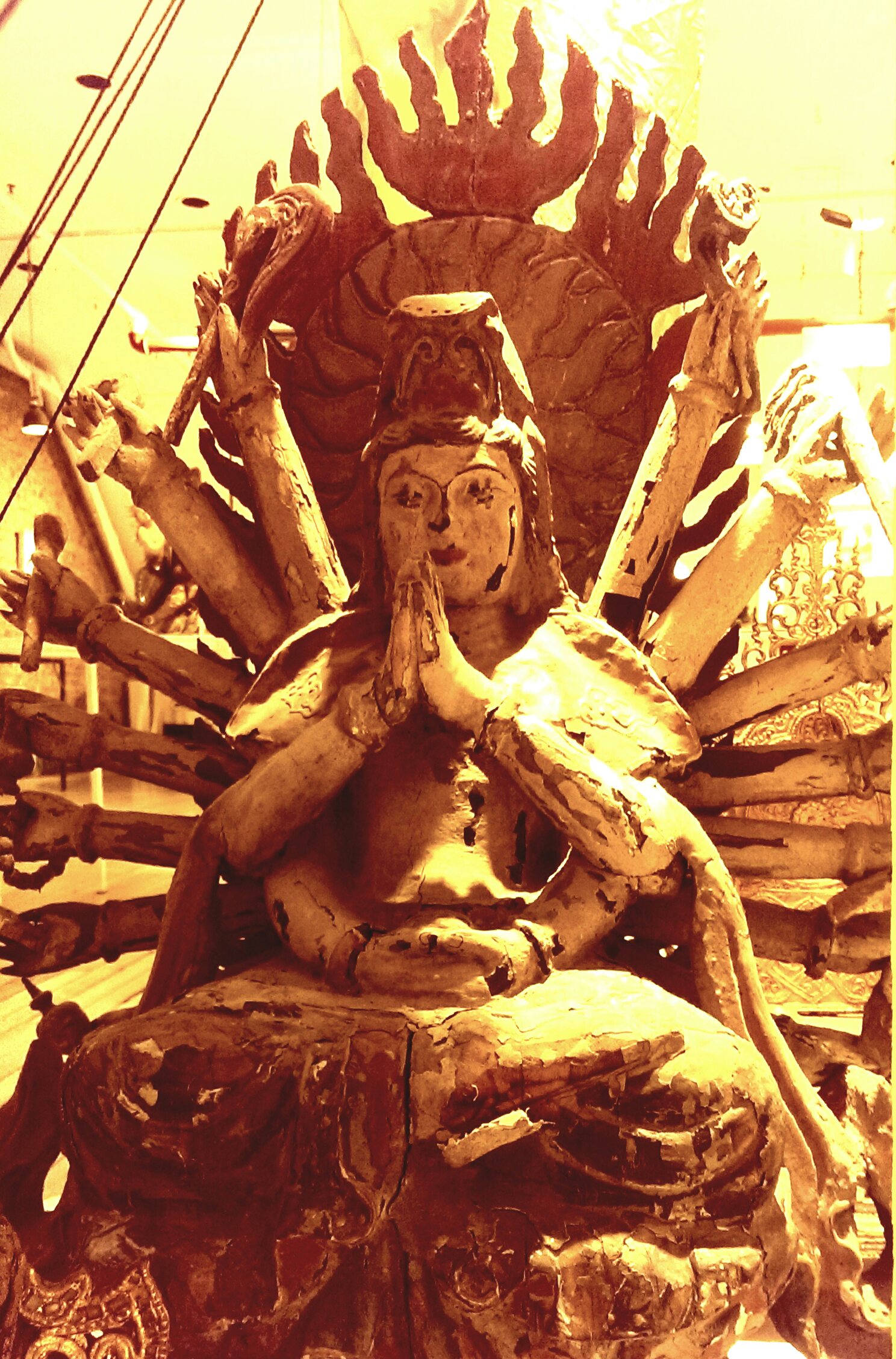
Fierce AND serene.