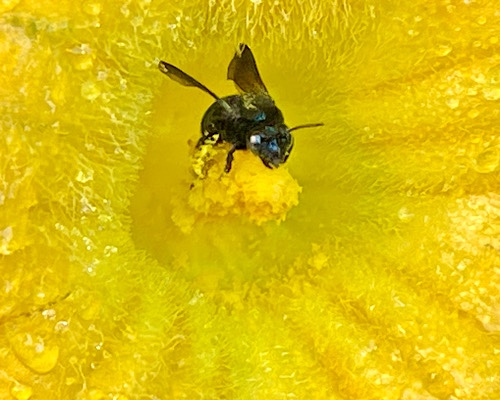
Yellow
The meadow ablaze with yellow flowers. Wild color the harbinger of changing seasons.

The meadow ablaze with yellow flowers. Wild color the harbinger of changing seasons.
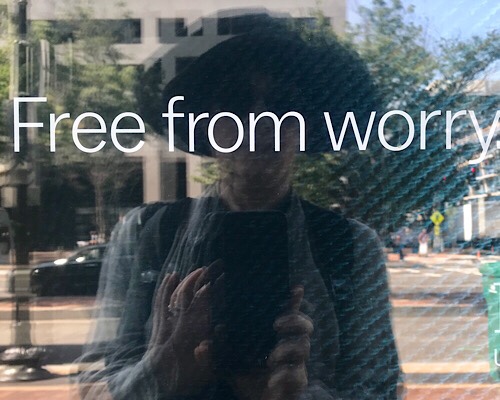
Being free from worry is not the same as being free from challenges of embodiment–internal and external.
A key point, for me, of living with attention (mindfully), is learning how better to prepare to address challenges or to avoid them, as appropriate, and become more serene in responding when there’s no more preparation that would change what is coming.
Last night I was thinking about what that phrase means. I was talking with a friend who has a similar enthusiasm for studying, practicing, and teaching yoga, who also has a full-time job/career. At some point in describing the number of hours I have spent studying with John Friend and other Anusara teachers, it came out of my mouth that I have been able to pursue this passionate engagement with yoga because, as others have said to me, “I don’t have a life.” My friend, being in the same society after all, initially went right along with that statement as if it was a perfectly reasonable thing to say.
Then we started questioning it. It is not as though we do not both have rich, full, engaged, active lives. How did the vernacular come up with a phrase that says we do not “have a life,” if we are not so occupied with the things that society would have us do (for the “modern” woman I think this means high-powered career, husband, children, nice house) that we have enough time and flexibility to deeply pursue and explore beyond what we are supposed to do?
As it is every year, the Azalea Walk at the National Arboretum fills me with joy and wonder. “Was it really this splendid last year?” one of my companions asked. “I go every year,” she said, “but I forget how gorgeous it is!” She comes back each year to remember the beauty and the awe. So, too, it can be with our practice. We stop going to class or practicing our meditation or asana for a while because we get too busy. Then we come back, and we ask ourselves how we could have forgotten the joy and beauty a steady practice brings us, and we are inspired to commit again.
When we were little kids, my mother told us that feathers we found were messages from birds. When we found a particularly pretty feather, we would pick it up and give it to my mother who would then read the message to us.
I will be interested to learn her reaction to this “painting” by a bird.

Peace and light, E — Posted with WordPress for BlackBerry.