Guru Purnima
This full moon, the yoga tradition would have one honor one’s teachers. They don’t have to be formal teachers and certainly do not need to be gurus.
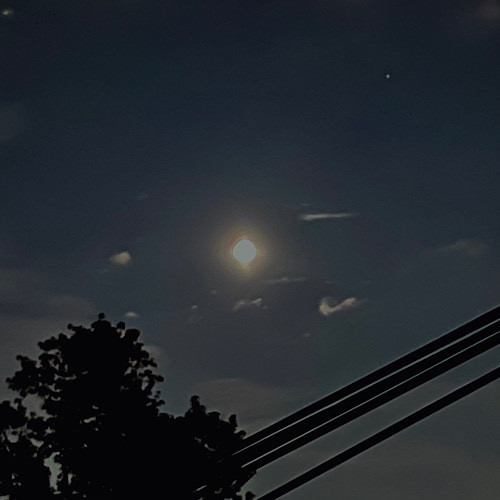
This full moon, the yoga tradition would have one honor one’s teachers. They don’t have to be formal teachers and certainly do not need to be gurus.
My aim, with the awareness cultivated through meditation and yoga practice, is to delight in a way that does not impinge on the delight and health of those with whom and that with which I am in relationship.
What would delight you today and how would you share your delight?

Peace and light, E — Posted with WordPress for BlackBerry.
The haze is from the wild fires out west. What might you be able to forego—perhaps a plane or automobile trip—or a degree or two less cooling from any air conditioning you might use to help minimize your contribution to global climate change? Sometimes I have better answers for these questions than others and sometimes I am better at following through, as with any practice.

With the paths that we’ve traveled and what we have encountered and what we have done, as a given, not as something to wish had happened another way or another path chosen, how are we going to best flourish now?
Thanks to the generous Cate Stillman for this podcast. What I like most about Cate’s perspective is her teaching that truly practicing Ayurveda is paying attention at the deepest level, including paying attention to what in the classic teaching of Ayurveda work for you and what do not–being that they are imbued with cultural elements of the Indian subcontinent that do not necessarily support or resonate with our culture or individual constitutions.
As I study more, I find that it turns out that I had been practicing Ayurveda already by keeping to a regular daily and weekly routine, eating seasonally and locally, eating with sensitivity to impact on my digestion and energy level, and by having a steady practice. Not being interested in detox (more some other time on the dangers of detox) or constitution types, or arcane herbal remedies (many of these, by the way, are becoming endangered species), it turns out, does not mean having rejected Ayurveda. I do know that whether I call it Ayurveda or just plain common sense, the more I live in a balanced, sensitive, and steady way in terms of diet, sleep, entertainment, work, and consumption in general, the more I optimize my health and sense of well-being.