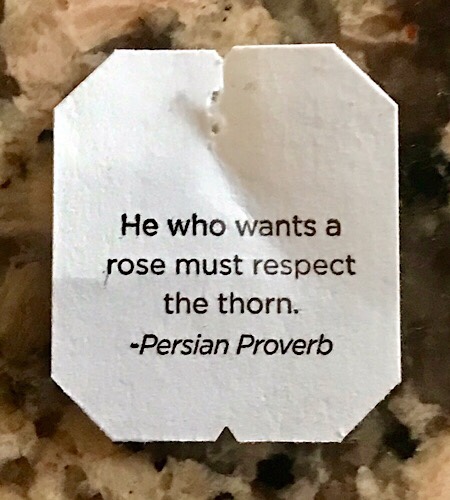
Found Exhortation
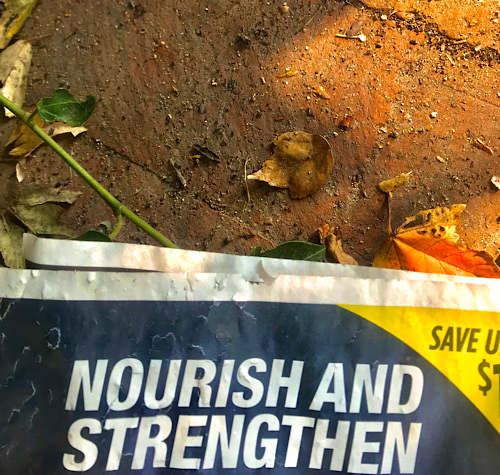

I am not prepared to go on hunger strike—it would not be right for my health. I can bear witness, speak out, and donate. What might you be able to do?
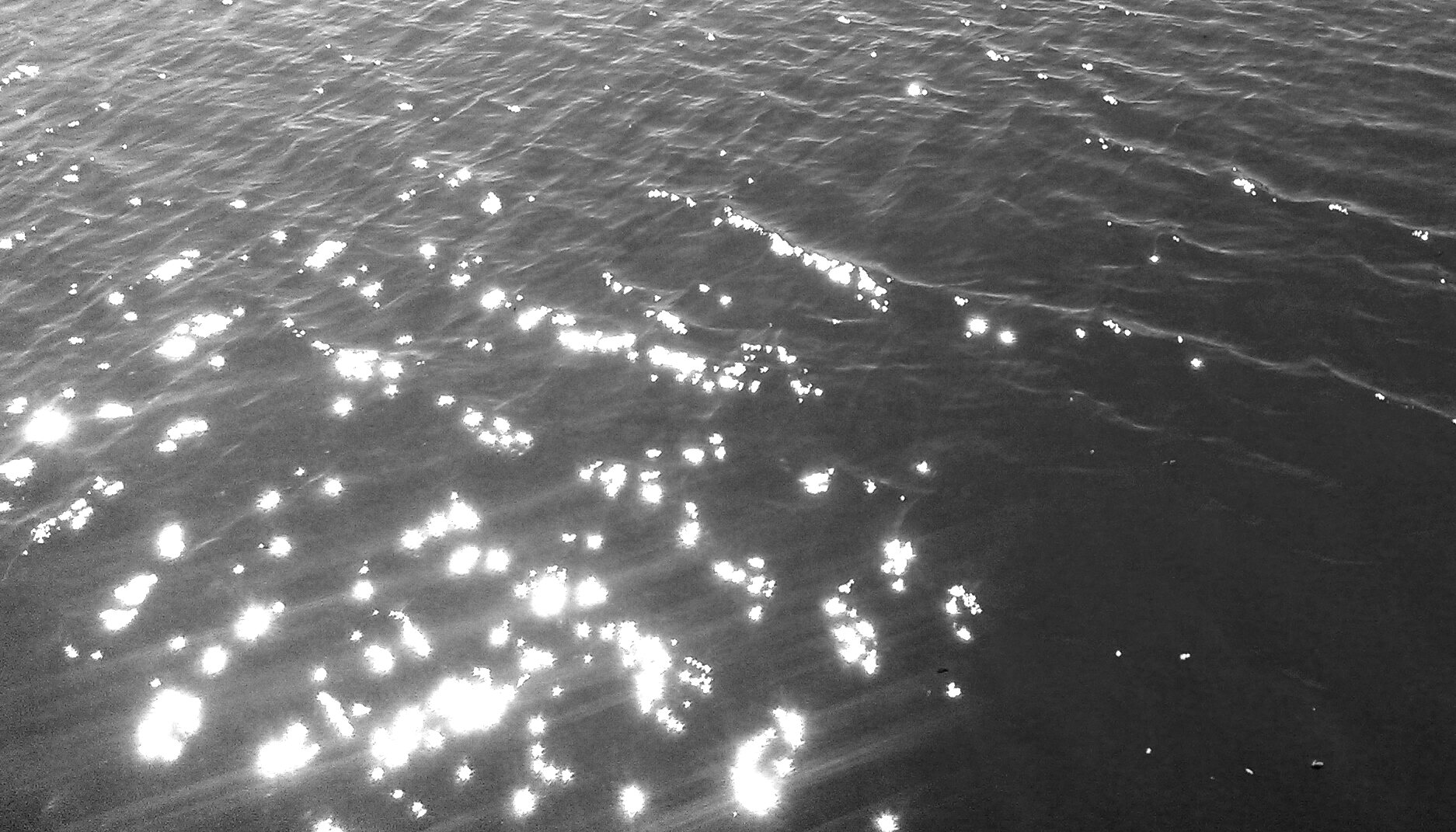
It was very bright
Today (in weather terms) in
Washington D.C.
Street light
And steeple
Jutting upwards
Taking my eye
Into the sky.
Clouds letting
Me look straight
Into the sun.

Peace and light, E — Posted with WordPress for BlackBerry.
When I think of the Anusara principle of calf loop, I think of playing with drinking straws as a child. I’d take the straw out of the glass and bend it back and forth. The straw would end up with a horizontal crease where it was bent — not quite a break — but the place where it bulged at the bend would prevent the straw from serving the purpose of enabling liquid to be drawn up through it. When our knees (or our elbows for that matter) are hyper-extended, I think it disrupts the energy flow from the periphery to the core, weakening the pose, and breaking the integrity of the alignment.
As one whose legs started out bowed (though less after over six solid years of working “shins in/thighs out”), my natural tendency is to hyper-extend. I find that using calf loop, I do not hyper-extend. Calf loop (also called “shin loop”) has us draw energy from the base of the shin, up the back of the lower leg, and loop it through the top of the shin and then back down the front of the leg. We wouldn’t ever start a pose thinking about calf loop, but in the flow of a pose, after the major principles are activated, including muscular energy, we can enhance muscular energy and the integrity of the alignment of the knees by focusing on calf loop. When I practice calf loop, I find that it lifts the calf muscle and draws it more firmly into the top of the shin, and moves the top of the shin forward. These actions do not bend the knee, but firm the muscles behind the lower leg, including the calf and the popliteus (which is the muscle behind the knee that flexes the knee) to the bone.
What is tricky — especially for those who tend to hyper-extend, is that getting the knee in proper alignment feels like bending the knee. If we have been out of alignment, changing our stance will feel strange and perhaps “not right” at first. The sweet subtlety of practice (whether trying to expand our ability to do poses, heal and injury, or live in better alignment overall) is learning what is true integrity in a pose and what is habit, what will serve and enhance and what does not.
I used to go to the movies several times a month. As independent cinemas closed and viewing opportunities moved in-home (where I don’t have a television), my desire to go to the movies ebbed. In the past year or two, I am lucky if I see a movie once every several weeks, preferring to spend my time in practice and study or conversation. I still keep my eye out for a film that looks like an invitation to beauty or engaged thinking. I was called earlier this week to see Habemus Papam by this:
“The unanswerable question at [Habemus Papam’s] heart is this: How does a leader hold onto his sense of self when the job he is about to take both demands and denies his own humanity?” Michael O’Sullivan for the Washington Post.
Habemus Papum is at one level a small story; it is just a few days in the life of a select group of individuals. It is rendered with charm and love, but it asks some very big questions and ones highly relevant to any who contemplate (in this country that makes a cult of celebrity and celebrities in politics and spirituality and not just on stage and screen) what it means for an individual or a ruling body to have or to seek leadership, power, or worship, or to be given it in greater quantity than the one(s) on whom they are conferred can handle.