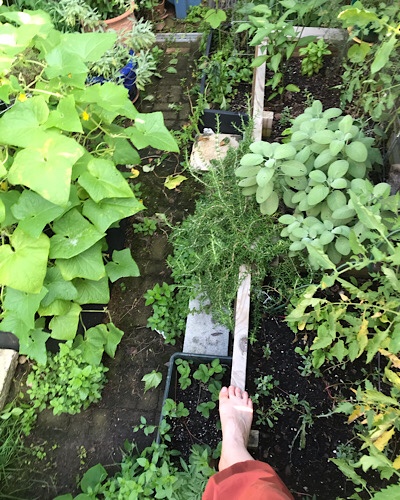
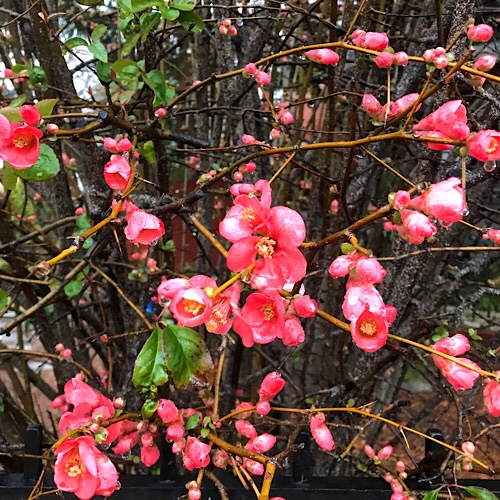
State of the Garden
Chamomile and lavender blossoms for tea
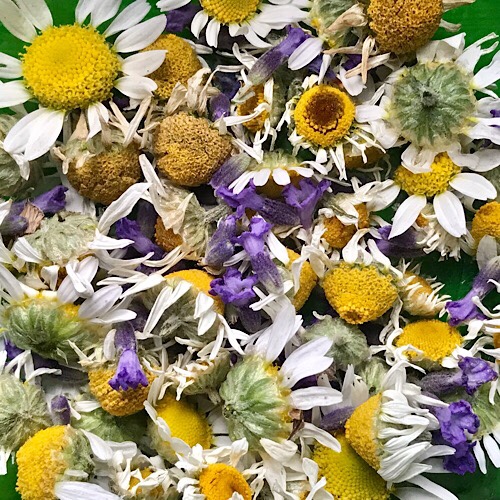
Chamomile and lavender blossoms for tea

When we were winding up and preparing to be locked out of our jobs, I said to a co-worker that I planned to get out a stepstool and clean the cat hair off of the ceiling fans.
He replied that he had plenty of yard work to do.
I was out in the garden for some time this morning. A squirrel or other garden terrorist had knocked some almost ripe and some green tomatoes off the vine. I brought them inside to turn into something, I don’t yet know what.
What I thought when I was in the garden picking peppers was that I bet there are a lot of nonessential feds doing yardwork today.
This morning I went to my community garden plot around the corner before I got ready to head into Georgetown to volunteer at The Lantern Bookshop.
I ws delghted to find enough snowpeas for a good-sized stir-fry and several zucchini almost ready to be picked (I only get zucchini at the very beginning of the season before the squash borers invade, but if I start early enough, I can get a few pounts of squash and a couple of meals worth of blossoms before I surrender and plant something else).
The tomatoes were flourishing (no sign of blight. If you have your own plants, keep an eye close for blight; it’s aleady been seen in Maryland. Cherry tomatoes are more resistant, so I’ve concentrated on those).
I should have the first cucumbers big enough to pick next week, and I have plenty of lettuce.
The radishes, though, had exploded. “Should I have a radish-themed dinner party?” I thought. “What am I going to do with all of them?” I am not especially fond of radishes. I plant them because they mature very early, they thrive on benign neglect, I have friends who like them, and they give the same crunch I’d prefer from a cucumber weeks earlier.
I’ve also discovered I like them cooked. Just as you can prepare turnips and their greens together, it also works well with radishes.
As I was walking home with a bunch of radishes that I could hardly get my hands around, I bumped into a neighbor. I don’t know her well, just recognize her face. “Do you want some radishes?” I asked, hoping I did not sound like I was begging. She hesitated, but then seemed to realize that she would be doing me a great service by accepting them. “You can cook the greens,” I said as I handed her a nice-sized bunch, “and also the radishes themselves if they are too strong.”
“I’ve never done that,” she said.
Here’s the recipe I gave her on the street (with a little more detail here):
Wash radishes and their greens well. Cut radishes into thick coins (this works best with oblong radishes sich as French Breakfast). Cut off the white part of stem nearest radish. Then cut the bunch horizontally so that you have half inch wide shreds. Mince some garlic, onion, and ginger. Stir-fry aromatics in peanut, safflower, or canola oil until translucent. Add the radish coins and stir until well-coated with oil. Add greens, stirring continuously until all the greens are wilted. Add some rice wine vinegegar and cook until absorbed and the grrens are just tender. Take off heat and sprinkle with soy sauce or Bragg’s Amino Liquid and toasted sesame oil to taste.
“What a nice morning,” my neighbor said, “fresh radishes from the garden and a recipe.
During one of the sessions at the workshop last weekend in New Jersey, John Friend made a passing reference to the difference between receiving and taking. He did not go into any detail because it was not central to the theme of the class, but it led me to contemplate on my own about the difference between taking and giving in the context of yoga practice. In so doing, I thought about the concept of prasad — which is food that has been blessed and is offered to those who have participated in worship (puja).
When offered prasad, one does not take it. Instead, the cupped palm is turned up to receive the prasad. The recipient does not get to pick through the basket and choose which sweet looks the biggest or the tastiest, but simply receives with gratitude the sweet or fruit that is infused with the intention of spirit. The active part is the showing up with openness and receptivity to the offering, the blessing, the nourishment being offered.
Coming to yoga class or doing our own practice (asana or meditation) should be, I think, like preparing to receive prasad. What is primary in the practice of Anusara yoga is being open to grace, but we can no more force openings or enlightenment (grace and insight always elude grasping), than forcing any particular physical posture or goal really yoga practice. The point of effort in yoga to improve and expand alignment and knowledge is to enable the practitioner to receive more fully all the potential gifts and grace of practice, and then in turn make fuller and more complete offerings to others.
Below: offerings at the Chelsea Farmers’ Market