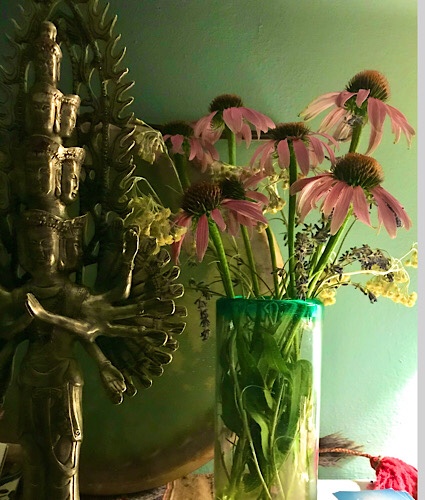
Jai Chandra (On the Way Home from Spanish Class)
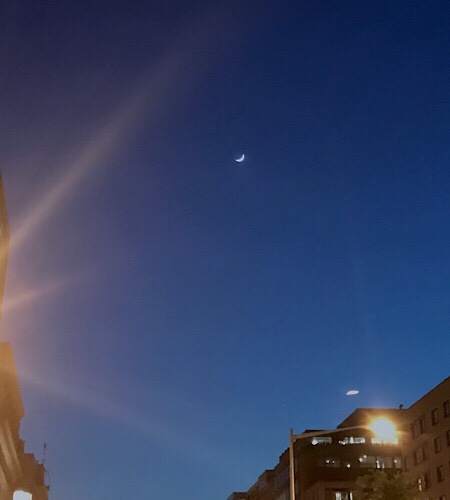
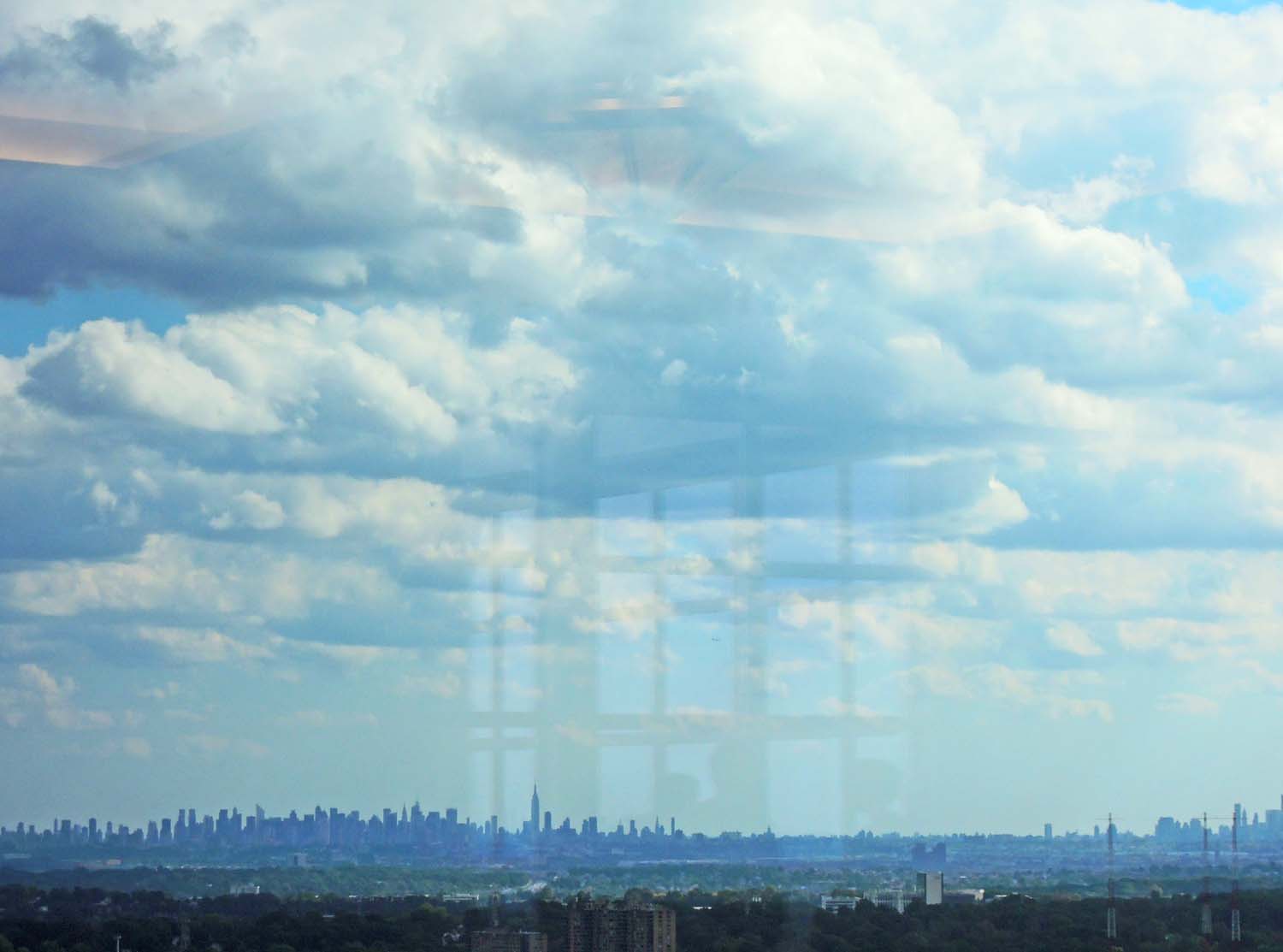
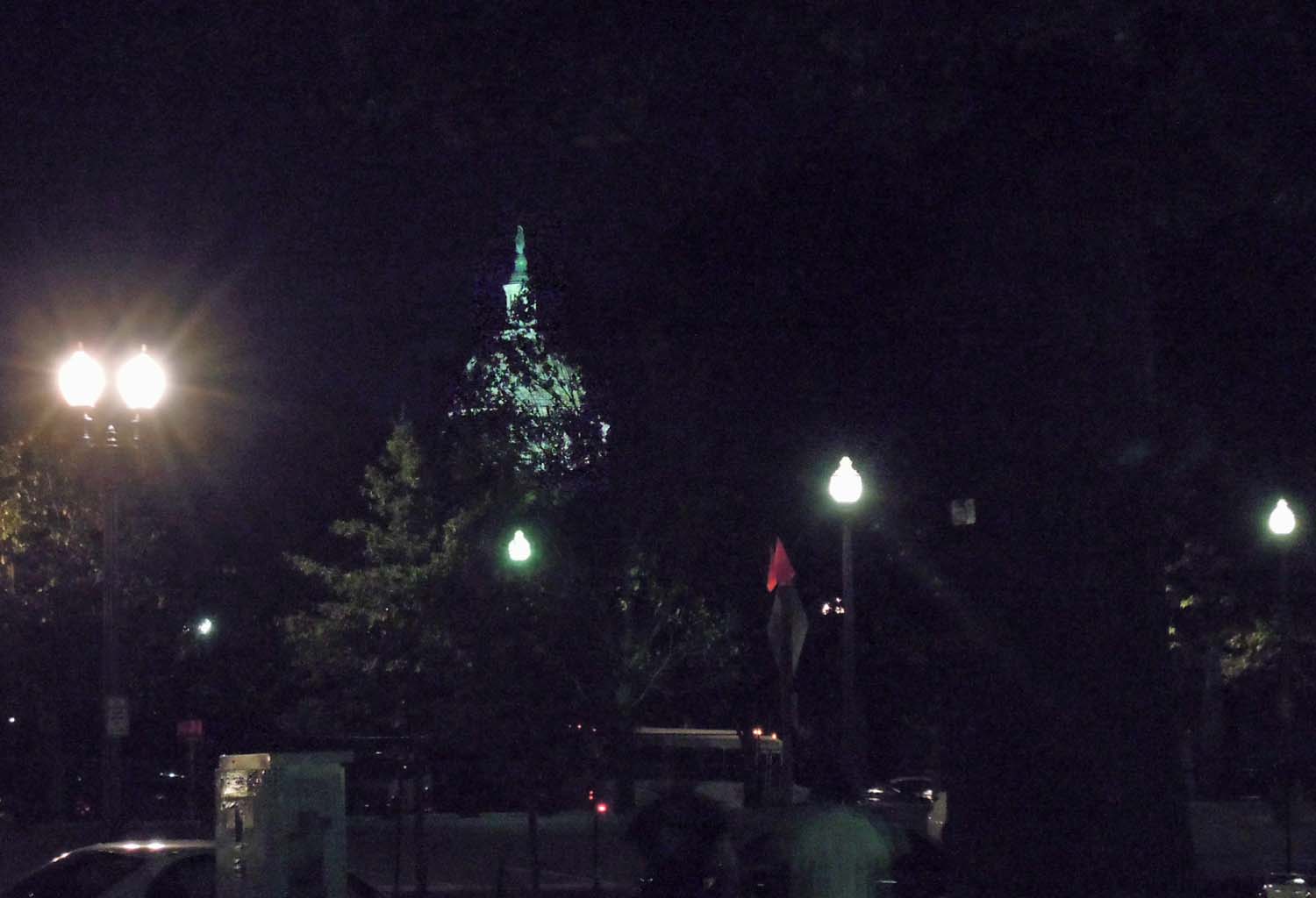
How we collectively yearn for the light, though we seek it in different ways! For anyone who can tell me exactly where I took each of these photos, I will give a donation to charity in your name (total for all persons guessing correctly $250). Hint: All photos except the last, which was taken this morning, were taken on the solstice, and I did not go out of my way to take the photos.


Splendor is where you find it:
Deferring gratification may make sense for all sorts of reasons–pursuing a goal, keeping on a budget, sticking to a healthful diet or lifestyle. But even if you are with discrimination (in yoga terms viveka) choosing to defer gratification…

Peace and light, E — Posted with WordPress for BlackBerry.
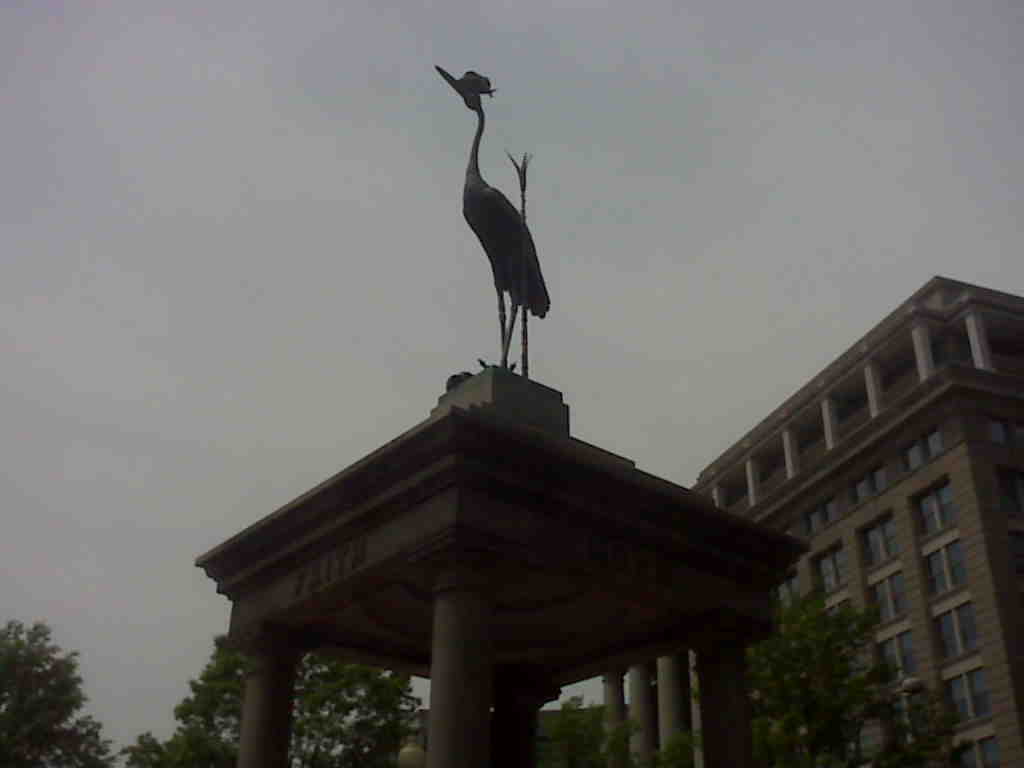
I cannot tell from looking at the image on my Blackberry whether the words “faith” and “hope” that appear on this statue can be discerned in the photo, but they are there when standing and seeing the statue in person.
This morning, when I was reading through the news, I came across a curious headline that averred that the killing of Osama Bin Laden had brought us a “rare moment of unity.” This saddened me, as did the reportage of spontaneous celebrations.
I am calling on my reserves of practice so that my sense of faith and hope for humanity, for peace, and for social priorities is not as faint as the way the words appear in the photograph.
Peace and light, E — Posted with WordPress for BlackBerry.