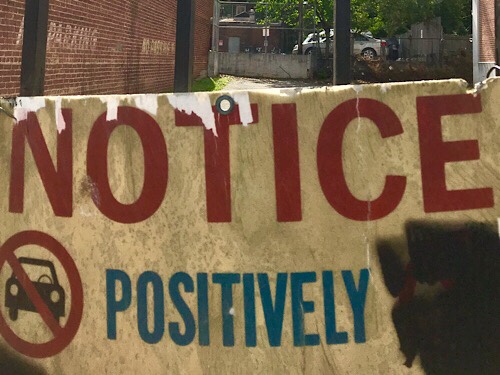
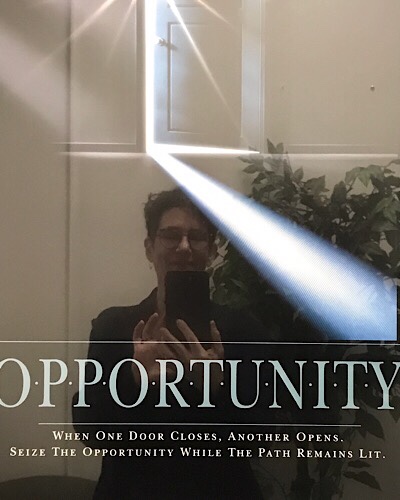
Self-Portrait with Motivational Poster
From late September through the first week when there either are two or more nights forecast to below 38F or one night below 35F, I assiduously watch the 15-day weather forecast to determine when to bring in my tropical plants (orchids, bromiliads, a night-blooming jasmine plant (now 8 years old), a bay tree in a 24 inch pot (now 12 years old)). I also bring in the lemon grass and lemon balm I have in containers so that they can be the perennials they would be in a warm climate; here, left outside, they are annuals.
When I first had a few orchids — over 10 years ago now — as soon as there was a hint of cold weather (below 45F) I rushed the plants inside, believing that if they were tropical, they needed to be inside. In one of the early years, the first night below 40F was in late September. The plants really suffered from a full seven months inside. I have since learned (by studying and personal observation) two things about my tropical plants. The first is that they are a lot happier outside than inside (when inside is not a properly humid, sunny greenhouse). The second is that they like cold weather as long as it is not near or below freezing. They especially like cold rains like we had the other weekend. The stress of a few weeks of nights in the 40sF, in fact, seem to help the orchids bloom. Now, by waiting until the last possible minute, and bringing them out as soon as it seems like the danger of last frost (for my backyard, which is very early) has passed, the orchids are outside at least seven months of the year.
Thinking about how the orchids flourish with the stress of some chill, but not too much, reminds me of what my teacher John Friend talks about in yoga practice of the difference between stress and distress. Some stress actually strengthens us. This is why one of the best ways to avoid or at least slow the process of osteoporous (according to the general medical literature to I’ve read) advocates weight-bearing exercise. Putting weight, i.e., stress, on our bones and muscles strengthens them. Too much, too fast, however, will injure our muscles and bones.
So, especially for those of us with injuries (prior or current) or physical challenges such as arthritis, it is optimal to exercise, to seek our edge, to put ourselves under stress, mindfully and intentionally. We need to be aware, though, of the subtlety of the edge between stress and distress so that we are strengthened not injured, just as exposing the orchids to some fall weather invites them to bloom, but actual freezing or near-freezing temperatures will harm or kill them.
In the tradition of our culture’s “new year’s resolution” I like to practice yoga nidra at this time of year to help establish a new sankalpa or intention. A sankalpa is different from a new year’s resolution. It is short, affirming, and is both in the present and forward-looking.
Usually it takes a couple of weeks for me to be certain of what sankalpa is right for me to work with for a period of months. One year, I had been very sick for the entire fall and early winter, so it was easy to choose “I am healthy.” For the past two years, as I struggled with my place this time of war and societal struggle and thought about my own role in creating and avoiding conflict, I chose the sankalpa “I will come from the light in all I do” (“light” for me meaning an inner place of peace, compassion and spaciousness).
In the past several months, mostly due to having thoroughly enjoyed creating meals from the garden and the farmers’ market, I am a little heavier than works with the clothing I own and my sense of comfort with my body image. Instead of having a new year’s resolution to lose five pounds, which would likely fail, I am working with the sankalpa “I love and respect my body.” The former buys into societal expectations of what my body should look like, imposes mental will over my body, and reinforces a mindset of negative judgment and denial. The latter is joyous and affirming. I believe that if I truly love and respect my body, I will eat in a way that is healthy for my body and the earth. I will either lose the few pounds or be more accepting of my body as it is. This sankalpa thus gives me much to contemplate in terms of my relationship to the mirror, my clothes, my asana practice, and my way of eating. How much it gives me to contemplate expands if I think of the body extending beyond just my flesh and bones and physical appearance, but also to my energy body and all that I bring in through the senses.
What sankalpa would be transformative for you this year? What would help you embody your sankalpa (other than, of course, establishing a regular yoga nidra practice — see yoga nidra resources).
A list of 10 laws critical for the health and welfare of women that are in danger in this election cycle. What does it mean to you and how will you respond?
maybe it was the roses.” Thank you to all my neighbors who make their front gardens an offering of beauty.
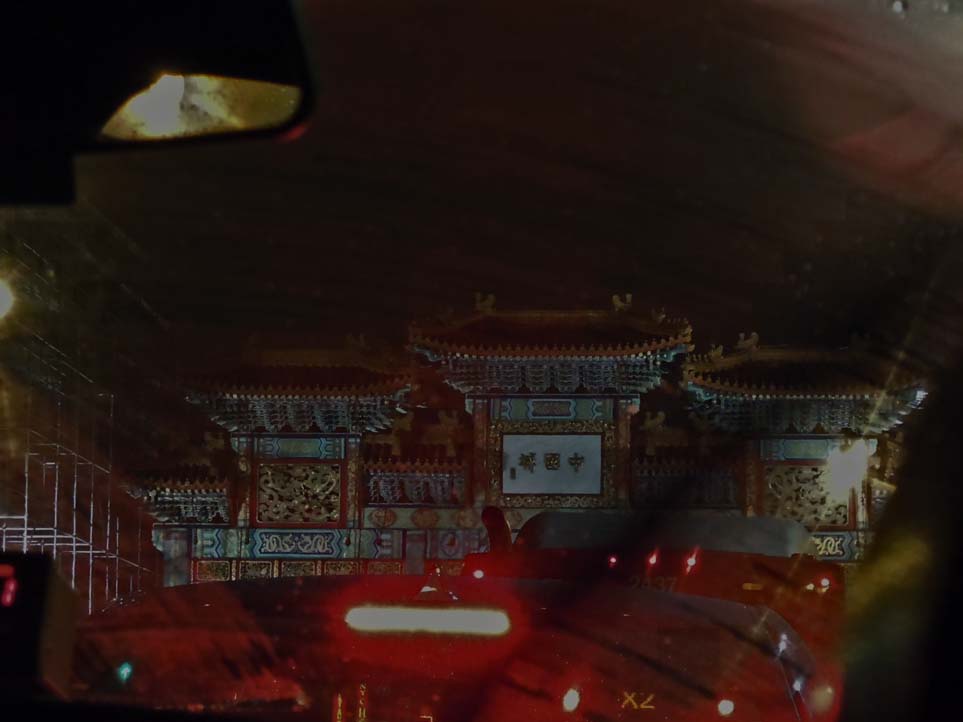
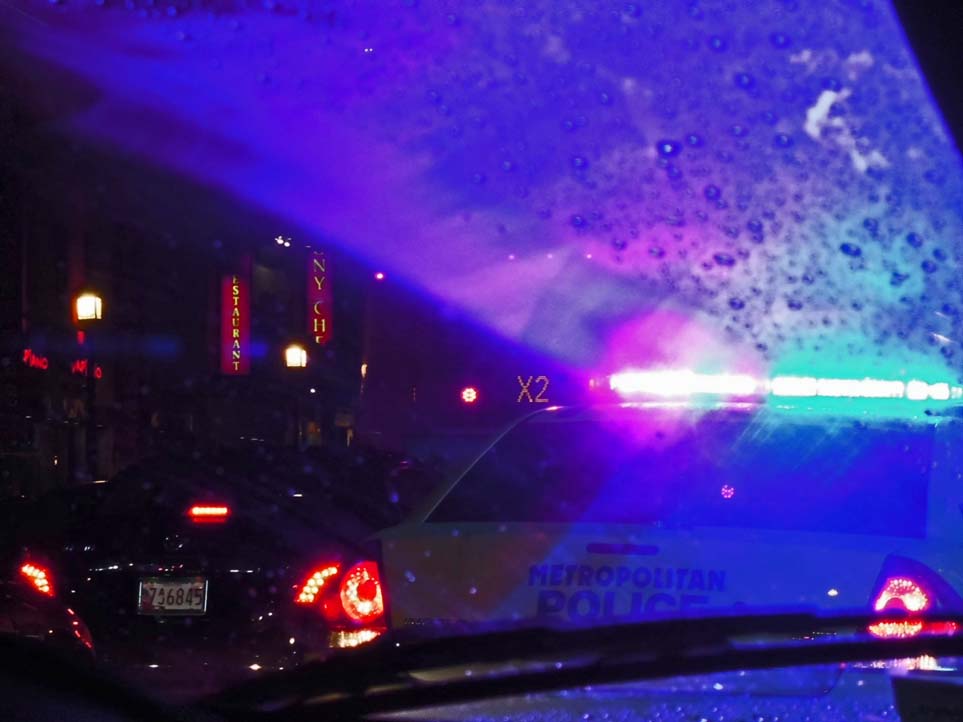
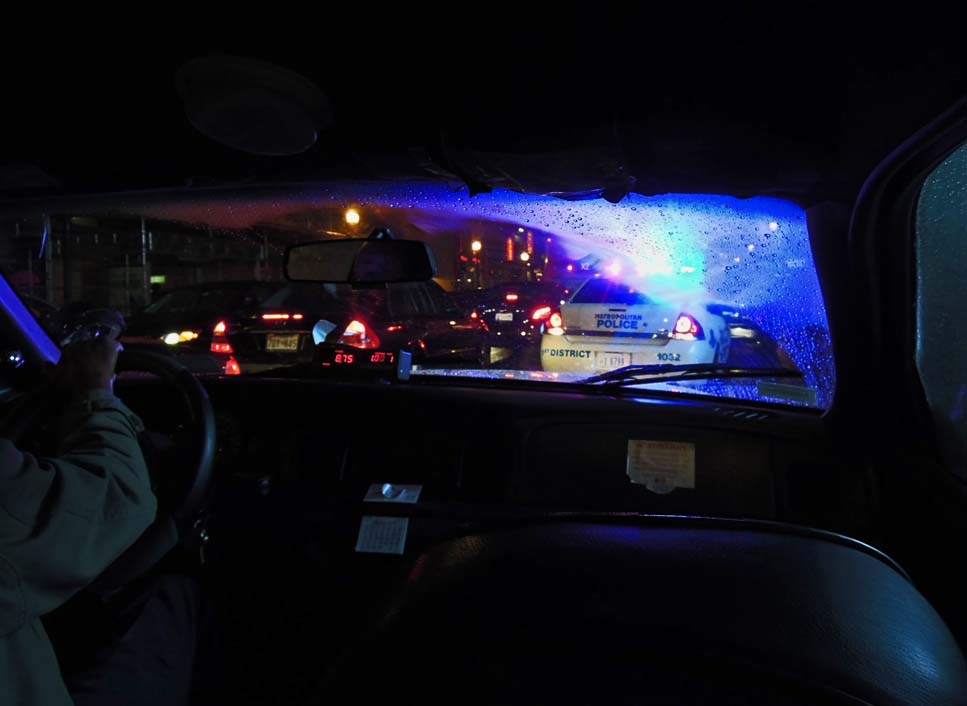
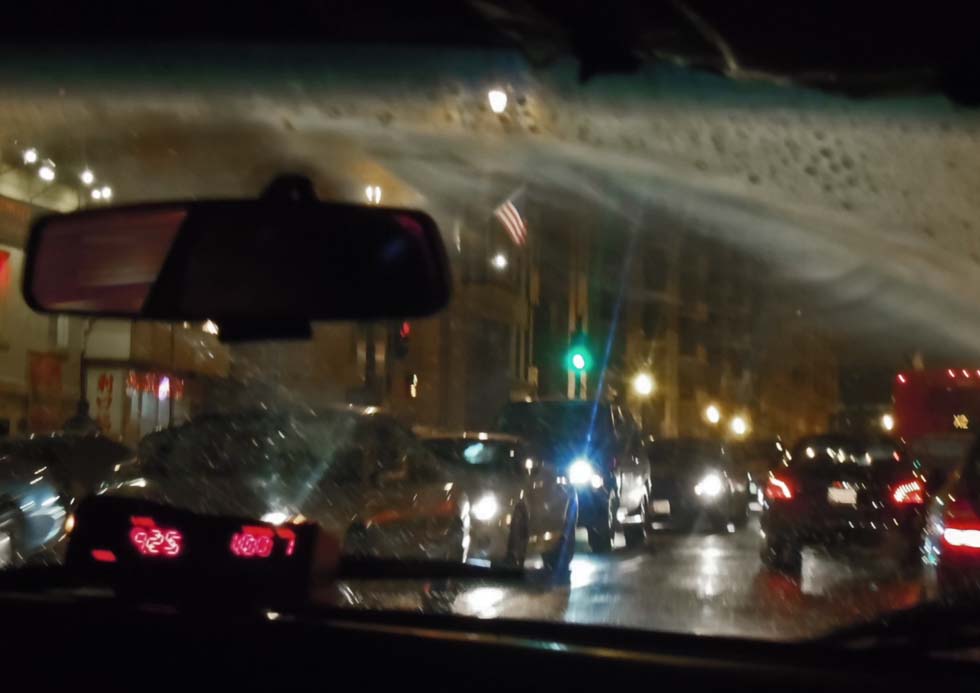
It was one of those days when it was hard to get home. I’d gone to the museum to see the Harry Callahan at 100 and then went out for tea in Georgetown with a friend. I stopped on my way home for some groceries. I got to the bus stop just as a bus was arriving, but with a big suburban SUV hogging the bus stop and the dark rainy night, the driver sailed past without stopping. He must have been really late and was taking advantage of a short break in traffic. I caught a taxi rather than wait in the cold rain for the next bus.
Traffic was completely still on K Street because of the police trying to clear out Occupy DC from McPherson Square and a number of streets were closed off to traffic, so the driver went to H Street, which was almost equally congested. Things started to move for a bit, but then there was then some issue with another big black SUV with suburban plates in Chinatown that had been pulled over by the police. This resulted in absolute tirade by the taxi driver as to why DC should not be allowed to be a state. I was having trouble explaining that Federal voting rights for citizens in the District had nothing to do with whether the cops could have pulled the car over better or faster so that it would less obstruct traffic. I gave up completely when he started in on how DC schools should be better than Maryland’s and Virginia’s because they had so much more tax revenue.
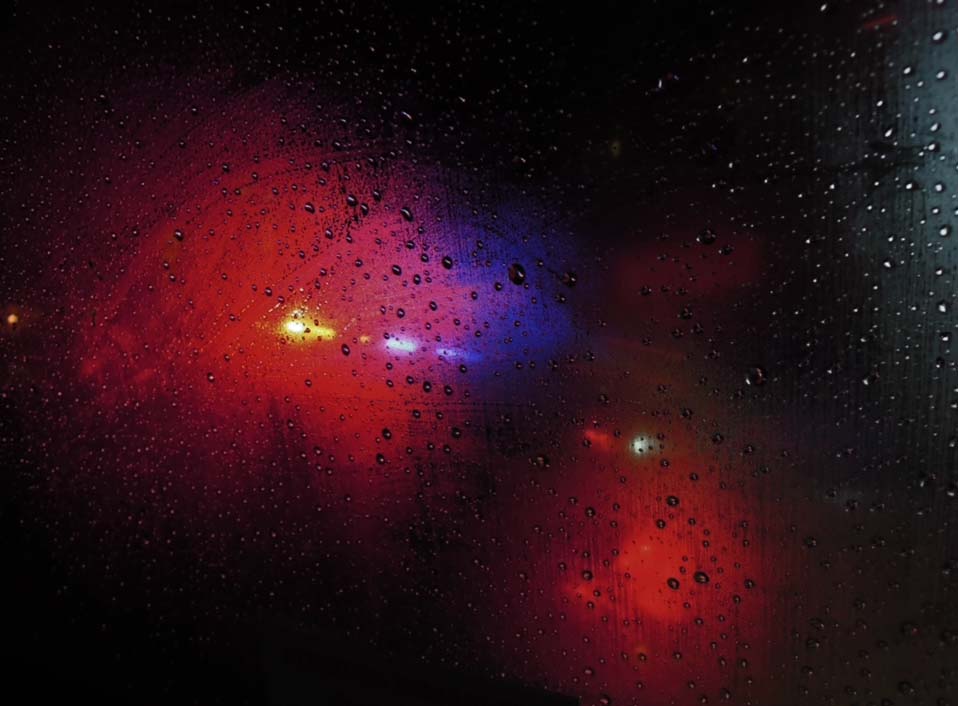
I remembered I had my camera in my pocket. I accepted the the meter was going to run unless I got out of the taxi in the rain (and then what was I going to do?) and enjoyed photographing the lights of the city at night. Sometimes, my camera really helps me accept whatever is and see the beauty in it.