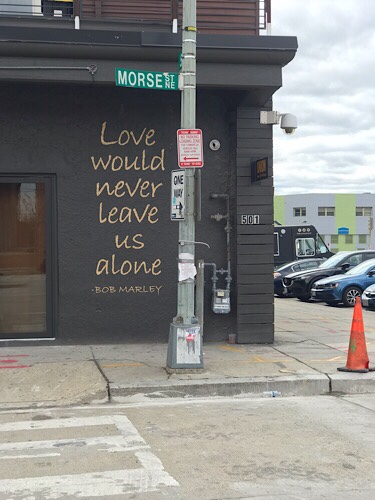
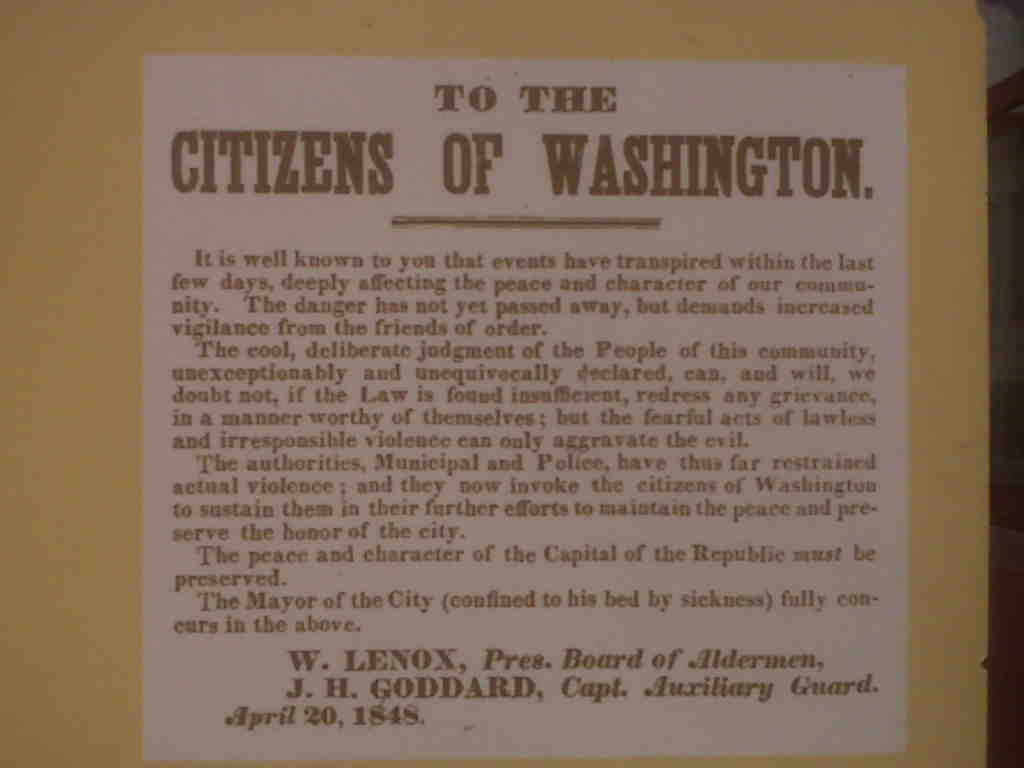
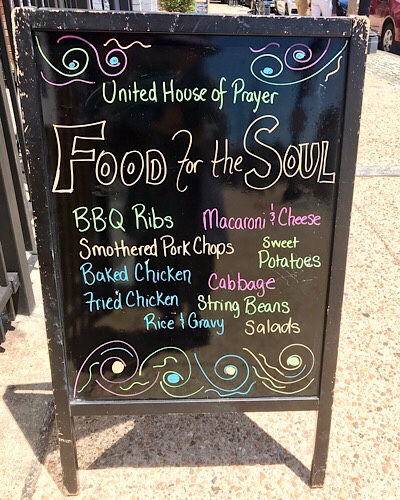
Found Quotation


When I googled (that should not be a verb) “holiday madness” this morning, I got one million three hundred thousand hits. Yikes! Most relevant websites are about surviving shopping, over-eating, family, and travel. Madness in such a situation is a choice. We can choose what to consume, how much, when, and with whom. It is a choice whether “celebration” requires consumption beyond what our financial, physical, and emotional means permit.
The yamas and niyamas as revealed by Patanjali provide beautiful structure for thinking about the holidays.
Yamas:
Ahimsa–non-harming. Don’t consume more than is harmful to yourself, those who have created what you are consuming, and the earth.
Satya — truthfulness. Be honest with yourself about what is right for you to celebrate and observe and what brings meaning to you as a holiday celebration.
Asteya — non-stealing. Consuming beyond your means, especially financially, is a form of stealing (look at what generated the recession).
Brahmacharya — moderation (aligning with Brahma). Enjoy the offerings of the earth in a way that uplifts rather than sickens or detracts from spirit and self.
Aparigraha — non-greediness; non-covetousness. Enjoy what you have without coveting or trying in a detrimental way to have what others have and you do not.
Niyamas
Sauca — cleanliness, purity. Consume in a way that is healthy for yourself and the planet, that does not create illness, refuse, and waste.
Samtosha — contentment. Wherever you are, whatever you have, whatever is going on in your work and family life, think of that for which you are grateful, that which brings you happiness, and focus on what you have. Contentment is a practice.
Tapas — fire, ardor. Be on fire to practice, to shift, to make this a life-fulfilling year of generosity and compassion.
Svadyaya — study of text, self-study. Take the holidays as an opportunity to deepen your understanding of yourself, society, and your spiritual beliefs and how they interrelate.
Ishvara pranadhana — surrender, recognition of the spirit. Let go a little. Surrender to a sense of fullness. Allow the abundance and recognize it as a wondrous gift. Remember the word “holiday” is really two words: “holy day.” Make this time holy, whether or not you observe a particular religious tradition at this time of year or any other.
Who goes past oblivious and uncaring? Who goes past preoccupied? Who takes a brief glance and continues on? Who stops to watch? Who discusses and invites? Who makes a special pilgrimage? Who is inspired to create by the creative offering?
Photos from last week of Doug Aiken’s Song\1 at the Hirshhorn.
John Friend talks of “plugging into the source” when we need more power to serve, to offer, to fulfill our responsibilities, and also to find our own connection to the greater consciousness in asana practice. I understand this to mean to understand that we are not alone, that when we tap into the strength of community and spirit, we are empowered to do more.
In asana, as in anything else we do, I believe this means moving and acting with integrity and deep integration, rather than just powering through things for the sake of ego or other external goals. This means softening and opening to a greater purpose before moving or acting (opening to grace). We then use the other Anusara principles of alignment — especially muscular energy — to integrate muscle and bone into our core, so that we reach from an informed place of strength.
These principles help us stay healthy when we engage physically outside of ourselves, whether it is offering someone else a hand, lifting and carrying, gardening, or doing housework. When we slow down and steady ourselves with purpose and then plug in by using our own power as leverage, we will not only be healthier ourselves, but will have more to offer.
Plugging into ourselves in this context means not reaching out before stabilizing ourselves, moving from the core not the periphery — not “telescoping” to some goal without staying grounded and steady. To plug in mentally, we remember our ultimate purpose and stay connected no matter how diverse the issues. To stay plugged in physically when we are doing physical activities off the mat such as gardening or housework, we start aligned and stay there and then use our own body as leverage, for example, bracing one arm against our side or thigh before using both hands together before moving, pulling, or shifting something. If we can keep with this practice with whatever we are doing, we are not guaranteed to be free from injury, but we are much more likely to stay healthy and strong.
As I was headed out at lunch, a co-worker in another office whom I know only from the hallway, asked, “do you have an umbrella?”
“Yes, I do, how are you?” I replied, knowing that she was trying to be helpful. So many of us work in spaces without windows, it was not unreasonable for her to think I might not know it was raining.
Another woman who I did not know said, “I heard it might rain all weekend,” revealing herself as one who gets all knowledge of the weather from tv.
I thought, but did not say, “yes, there is that pesky hurricane coming.”
Peace and light, E — Posted with WordPress for BlackBerry.