State of the Garden
How blessed I feel to be able to come home at the end of October to some bounty and to be able to eat it straight from the plant without worry.
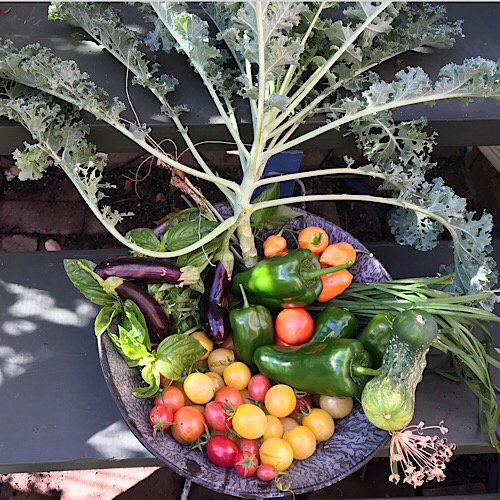
How blessed I feel to be able to come home at the end of October to some bounty and to be able to eat it straight from the plant without worry.
One of the things that I appreciate most about winter is being able to see the bare articulation of the shape of the tree in the absence of its leaves. A dormant tree looks very different from a leafless, lifeless tree. The dormant tree still has a vibrancy to it.
As I enjoyed the beauty of the trees in Stanton Park this morning on my walk to work, I thought about pratyahara (withdrawal of or from the senses), which is the fifth step of Patanjali”s eight-limbed path of yoga and the bridge between life and physical practice (the first four limbs consist of ethical observances and restraints, asana, and breathing practices) and meditation. I have been led to contemplate the practice and meaning of pratyahara since the last meditation retreat I attended.
From a renunciate perspective, pratyahara entails withdrawing from that which stimulates our senses. A renunciate would simplify and restrict what he or she takes into his or her system to free the mind from stimulation and make it easier to go into a space of meditation.
Being careful to eat lightly, avoiding the stimulation of electronic entertainment, finding a quiet place to sit, and shutting our eyes before we begin meditating is part of the practice of pratyahara that all of us who practice meditation do as a matter of course.
From a tantric perspective, I think pratyahara fits into our practice a little differently than for someone seeking to be on a reunciate path. We may definitely choose to minimize undue or excessive stimulation because certain types or amounts of stimulation feel out of alignment with our practices. For me, more than a certain amount of sense stimulation and certain types of stimulation can numb my celebration of and experience the spirit. Refining what I take into my system so I feel better able to live fully and celebrate and see the play of consciousness is different than renouncing objects that stimulate the senses or sense impressions themselves, as being less real than spirit. It is not renouncing things as unreal; it is picking and refining what to experience to better recognize and remember spirit. For the great siddhas, withdrawal from stimulation would not be necessary because they do not lose sight of spirit by either the cravings of the senses or being overwhelmed by reactions to stimulation of the senses.
The trees seemed to me this morning to help elucidate this principle. The trees aren’t acting out of ego or greed or yearning to find happiness from the outside because of an emptiness on the inside. They are always open to the light and the rain. In winter, when they are dormant, they are not reaching for the light and rain or hungering for spring. They are there in all of their beauty open to receive nourishment when it comes. In spring, when the leaves start to bud and open, it is because of the light and the rain, but the essence of being a tree does not change or get distorted by going inward and resting or by opening to burgeoning growth.
When we can simply open to all that is around us as spirit (beyond my capacities except at the rarest of times), then we can be open to the fullness of what stimulates the senses and still be practicing pratyahara. As long as we are swayed from the recognition and delight of spirit by stimulation of the senses, then we need to practice withdrawing on a grosser level to help us find the space of still being where we can be in the world of the senses without being tangled up and bound by it as such.

I spent much of my day divided between errands and home repairs and checking the latest news. Before beginning my day, I got deeply immersed in Paul Beatty’s The Sellout, which I cannot recommend highly enough for more perspective on the current state of our society.
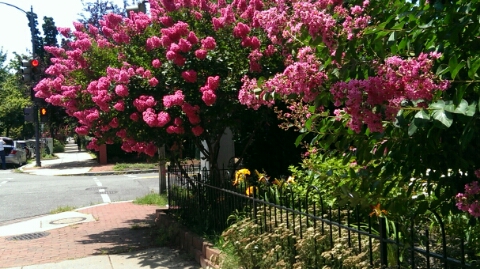
It was sticky walking about the neighborhood, and things are lush. Easy to pretend everything is ok and for now, it is for me. From that privilege, what can I give? Amidst sharing that I am again reviewing what time and resources more I can offer, sometimes I want to connect through offering beauty.

Have too many cucumbers? Perhaps some of them have grown to enormous, beyond salad-eating proportions? It’s time for cucumber soup.
Per person proportions for a generous serving (multiply accordingly):
1 cup peeled, seeded, diced cucumber
1/2 ripe avocado
1/2 jalapeno, seeded and chopped fine (more or less depending on taste or omit for a non-spicy soup)
1/2 cup unsweetened soy milk, nut milk, organic milk, water, or chilled vegetable broth
small clove of crushed fresh garlic (optional)
salt to taste
Greek style yoghurt, chopped scallions or chives, and minced cilantro or parley for garnish
In blender or food processor, puree cucumber, avocado, liquid, jalapeno, and crushed garlic until pureed. Chill for 1/2 to 1 hour. Pour into bowls. Put spoonful of yoghurt or sour cream or non-dairy sour cream in center of soup. Sprinkle scallions and herbs. I only added the jalapeno because in addition to a superabundance of cucumbers, I had a number of not particularly spicy jalapenos from the garden.

I was at a meeting at another agency that was built in the years when civil service was a respected nd honored activity. The garden is clearly maintained, but I have never seen anyone in it, and wonder whether entrance by anyone other than maintenance is permitted. Does the solitary air of the garden make it feel more personal and sweet? Or does it seem isolated and less intriguing because of the absence of people?
I wonder whether people who are naturally drawn to meditate would be the ones who would answer yes to the first question and no to the second.

Not just warming and delicious, but also inexpensive and healthy, and a great way to use up leftover table wine . Lots of variations possible.