Similar Posts

  • |

    Adhikara

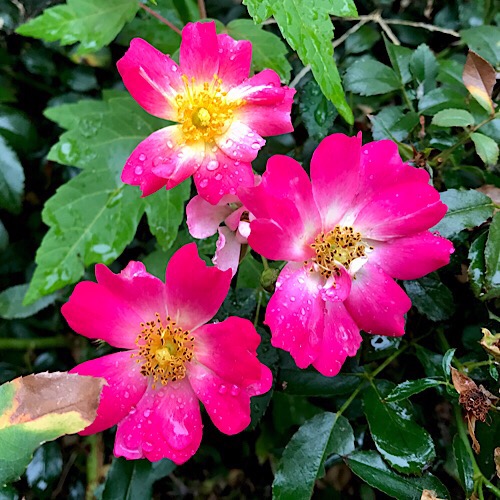
    I was first taught that adhikara meant “studentship.”  Although that is not a literal translation, adhikara implies a dedication and steadiness in the student that makes the student worthy of receiving the teachings (of yoga).  As I was steadying myself during this momentous time and working in the garden, I was thinking about how the principle of adhikara applies to so many aspects of life, including gardening and being a citizen.

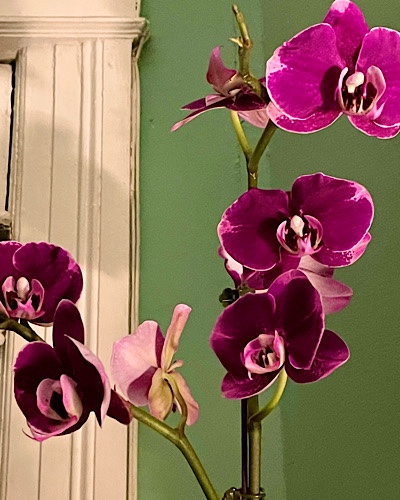
    One of the literal translations for adhikara is “competence.”  What is the competence one needs to have in order to participate in the study?  As I harvested the last of the peppers and eggplants and pulled up the plants, making room to sow another round of greens (not too late in my sunny, protected yard in the city), and decided to leave the orchids out for another week, I thought about how I knew what to do when in my garden.  By being present and observant for two decades in my yard alone, I have grown competent to know what will likely grow in my little patch of earth and for how long into the season, depending on the year’s weather.  My initial competence, when I started this garden almost 20 years ago, was some basic training in other gardens, reading technical books, and enthusiasm.  My consistent efforts to learn yielded results delightful to me from the beginning.  As I have continued my studentship in the garden, my appreciation grows.  The same is true for me also with cooking, relationships, and my participation in the community (not necessarily in that order).

    The fundamental competence of a student is having the basic skills to participate at the level of the teachings.  For a gardener, it is recognizing our climate, our space limitations, and our soil, and being open to learning what can be changed in a particular space and what must be accepted.  For a citizen, it is knowing basic civics, what are the most relevant issues for us and society at large, and what we can change and what we must accept (I think knowing the subtle differences between what we can change and what we must accept is incredibly difficult).  For yoga, it is much the same:  we must know what are true limits and what are false ones and be consistently present, practice steadily, and be ever open, not only to studying, but to the fruits of study (expected or not).

    I cannot change the weather, nor guarantee how other voters will vote, but I can continue to maintain the adhikara necessary to be a fully engaged student of this life on all days and not just the days it is fun or gratifying.  The yoga, on a day like today, is to act fully, accepting, and perhaps even appreciating, the limits on what I can control.

  • | | | |

    Call and Response

    I went to a Lenten service for ceasefire that was led in front of the White House today. First there was a Catholic Mass and then an ecumenical service.

    I sometimes participate in religious rituals outside of my own, as a way of honoring our shared and diverse experience of being.

    This is the first time I have gone to a Christian service on Ash Wednesday. No ashes for me. I was willing to, however, to participate in the invitation to participate in a call and response. The speaker listed the heinous atrocities that our tax dollars are funding, and the response was the acknowledgment that “I have blood on my hands.”

    I’m still complicit even if I am letting those with power know that I do not agree, although that is better than being silent. One of the religious speakers suggested that repentance does not mean regret. It means acknowledgement and a change of behavior.

  • | | |

    Darshan or Puja?

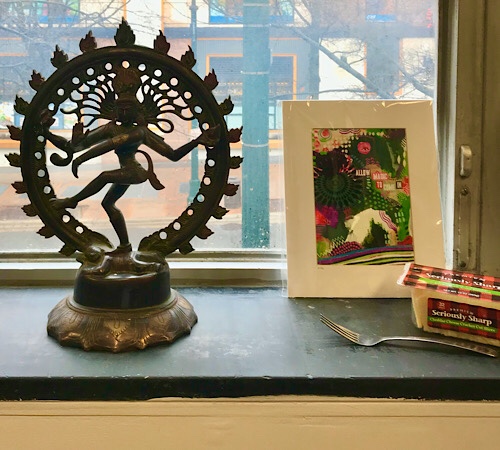
    The other day I was telling one of my regulars that I’d described the group house practice as starting with receiving darshan — receiving sacred knowledge, sitting in the presence of the divine embodied in a great being — from Uma and Sully, who wait downstairs for the students to arrive and expect a petting before everyone goes upstairs to practice.

    ” Is it darshan or puja [performance of ritual worship]?” my student asked.  The two are intertwined.  We naturally offer our gratitude and worship for those in whom we recognize the divine and from whom we learn to know the sacred.

    What would our lives be like if we treated all our encounters and relationships as both darshan and puja, if we came to each person and being open to receiving a glimpse of the divine and the knowledge the divine imparts and approached each encounter as an opportunity to make puja, to formally act with reverence?  The cats certainly expect it.

Leave a Reply

Your email address will not be published. Required fields are marked *

This site uses Akismet to reduce spam. Learn how your comment data is processed.