Art Around Town (Interdependence Day and Justice for All)
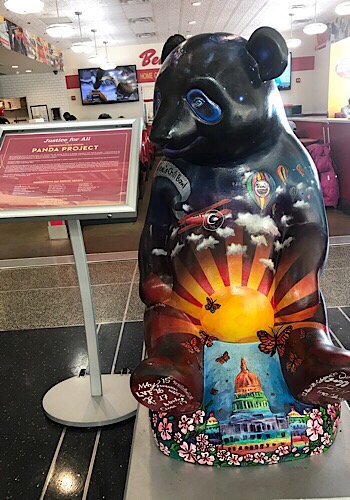
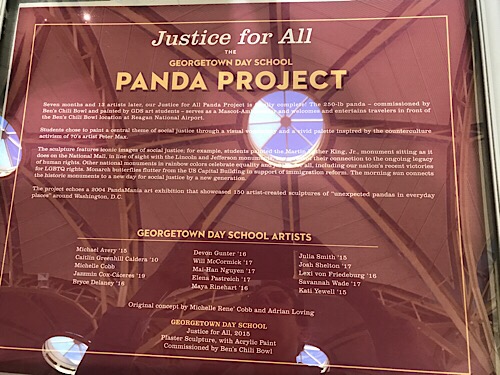
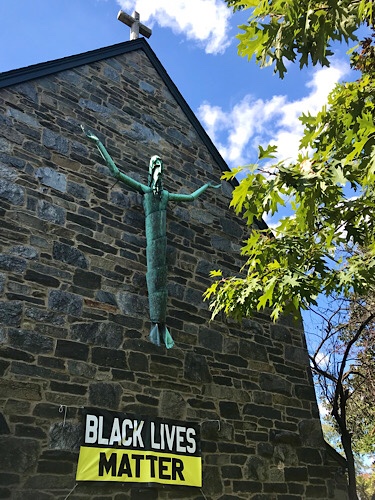
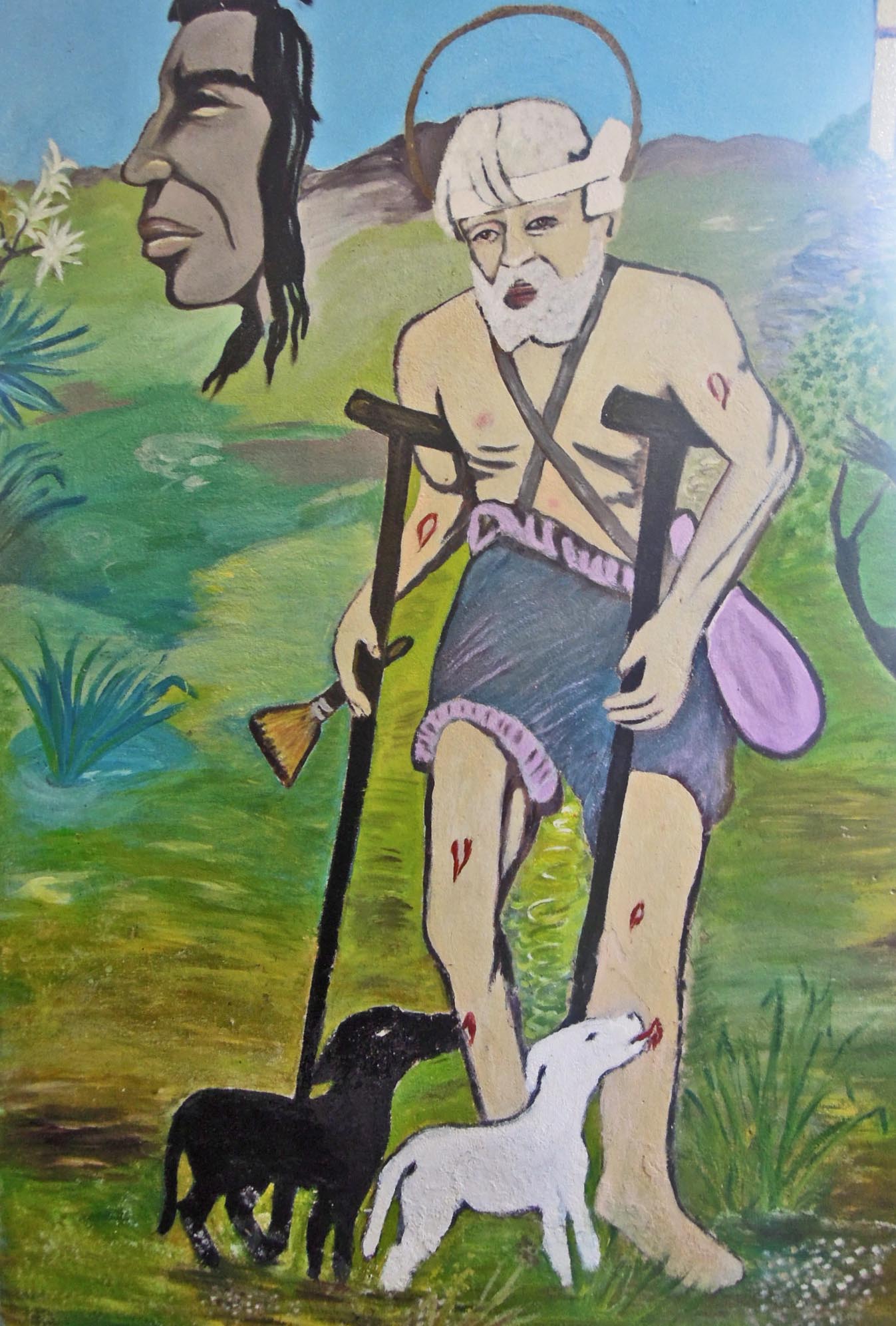
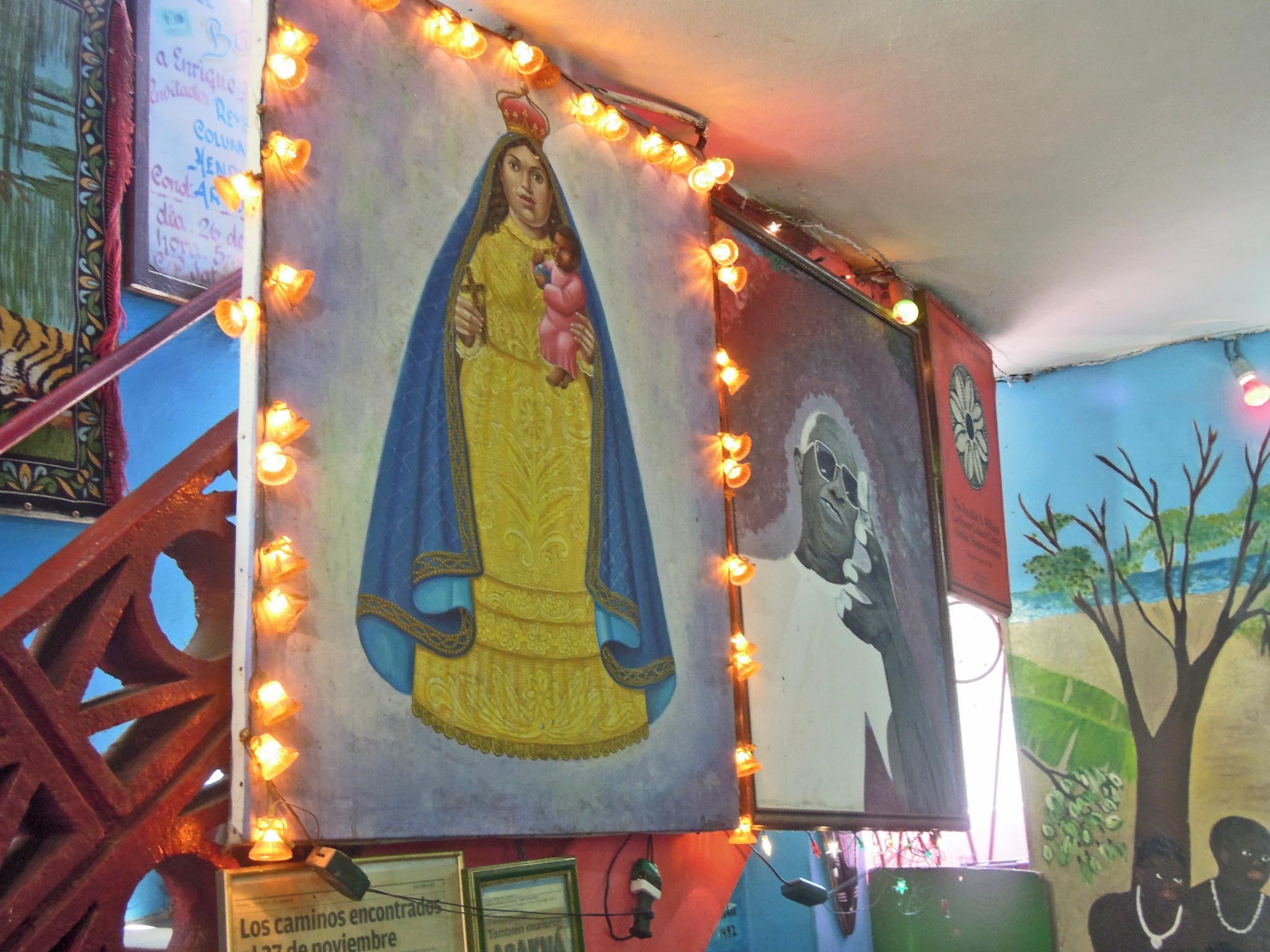
In which I encounter some more of the 330 million gods (mas o menos).
(Notes: (1) Hindu philosophy speaks of 330 million gods, i.e. a bigger number than we can actually get our minds around, one for every person, giving room for a complete diversity of belief. While I don’t believe in “God,” I have no problem with the idea of 330 million gods, none more exclusive or correct than any other, with no permission to use of the concept of “God” as justification for murder, physical harm, repression, or suppression of expression because of societal or family of origin privileging any particular belief. (2) “Maya,” which in Sanskrit not Spanish, literally means to measure, is the tattva that is the bridge between the universal and the manifest. The “universal” is immeasurable; what we think of as manifest is always measured in space and time. The distinction between how the tantrikas and other yoga philosophies interpret the concept of maya is for your own research or another day. (3) The number 108 refers to Shiva.)
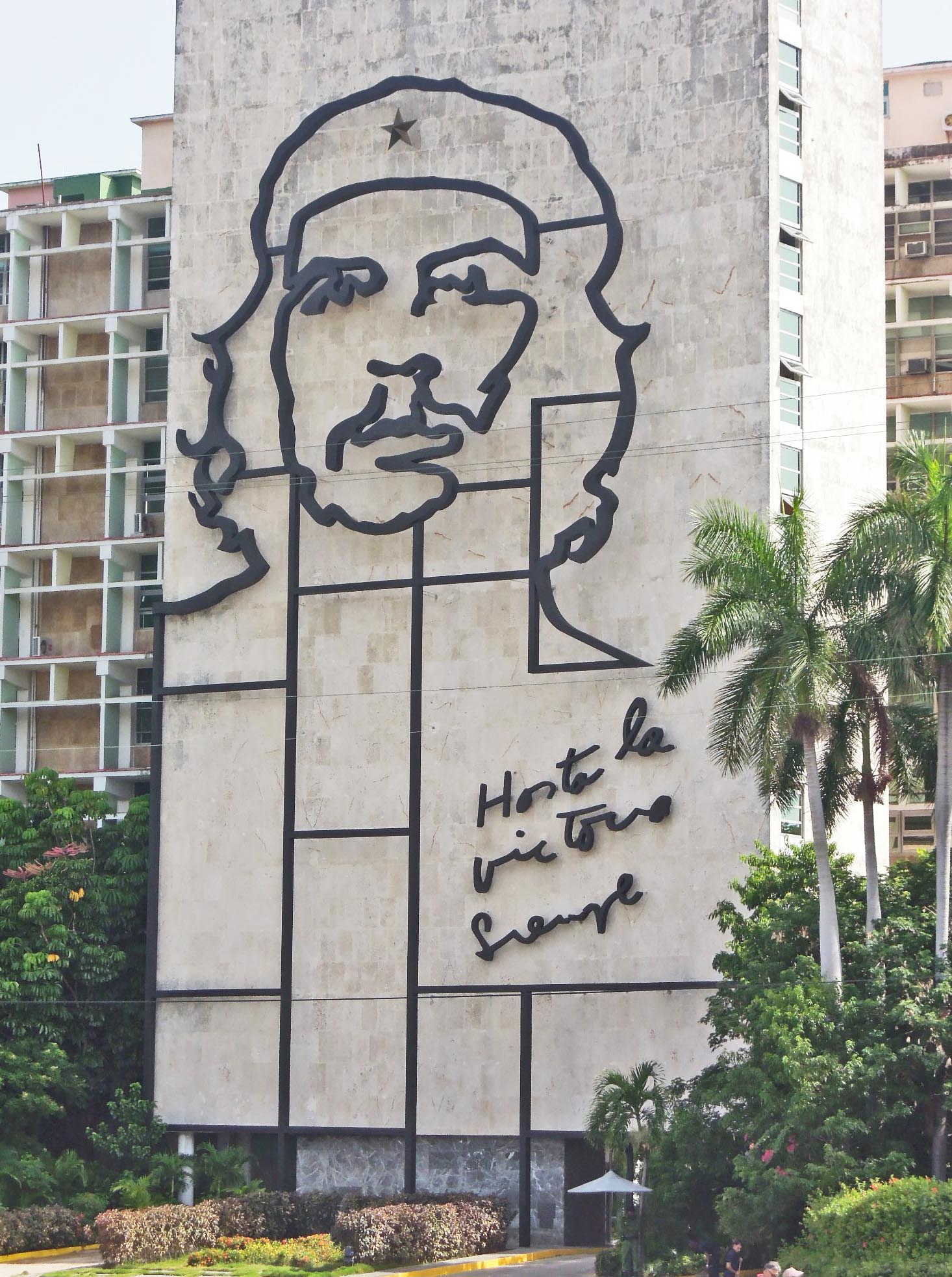
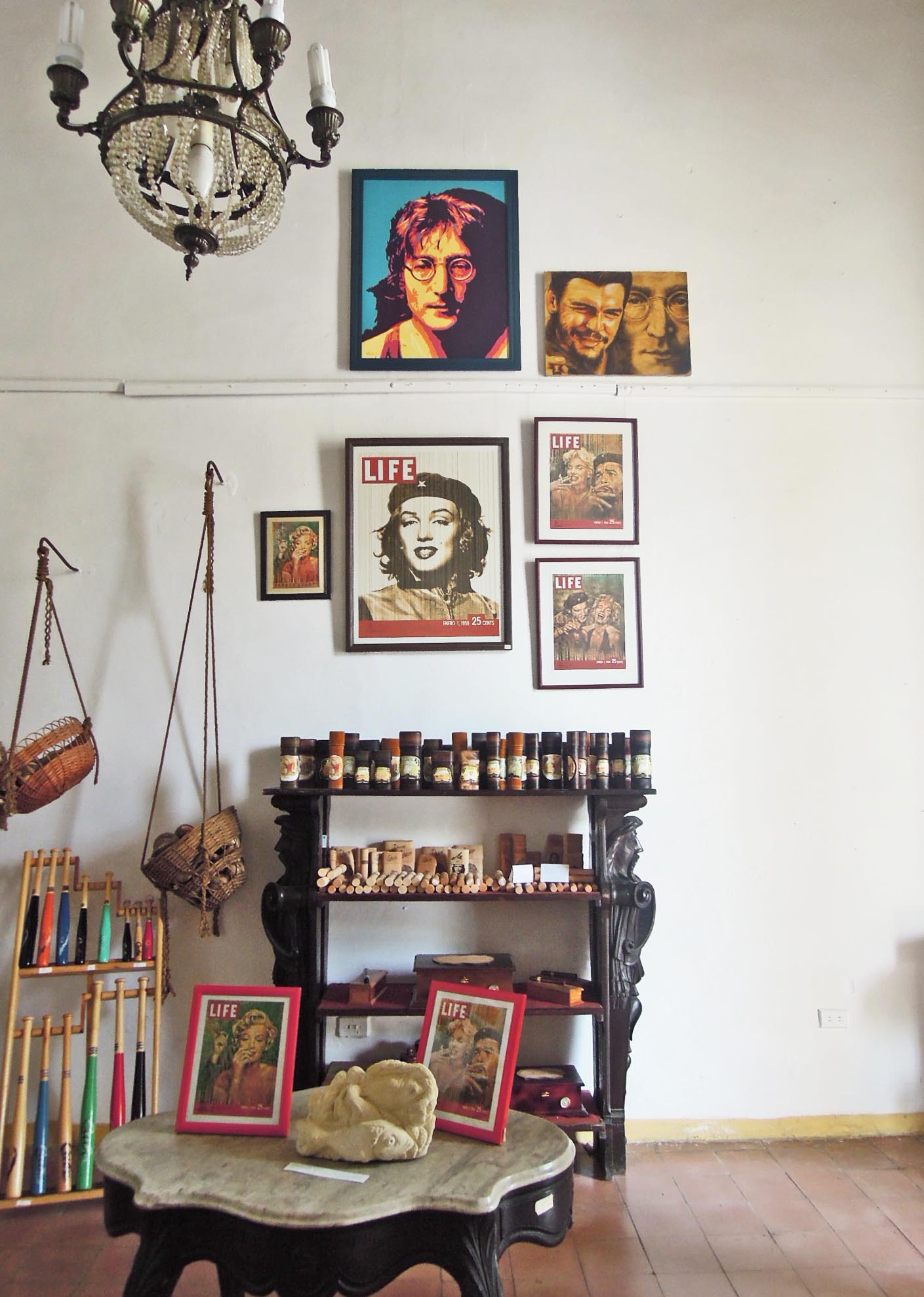

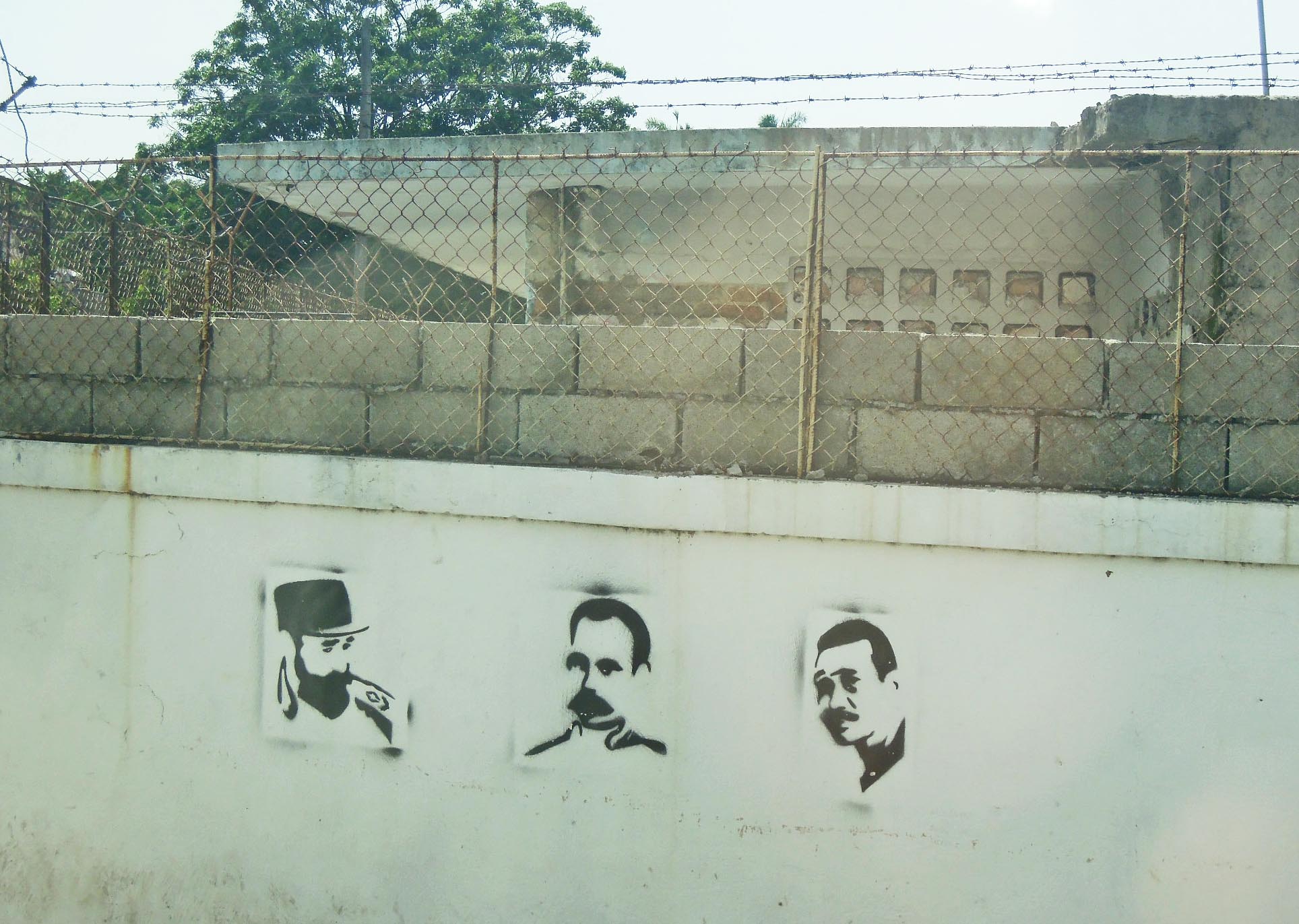



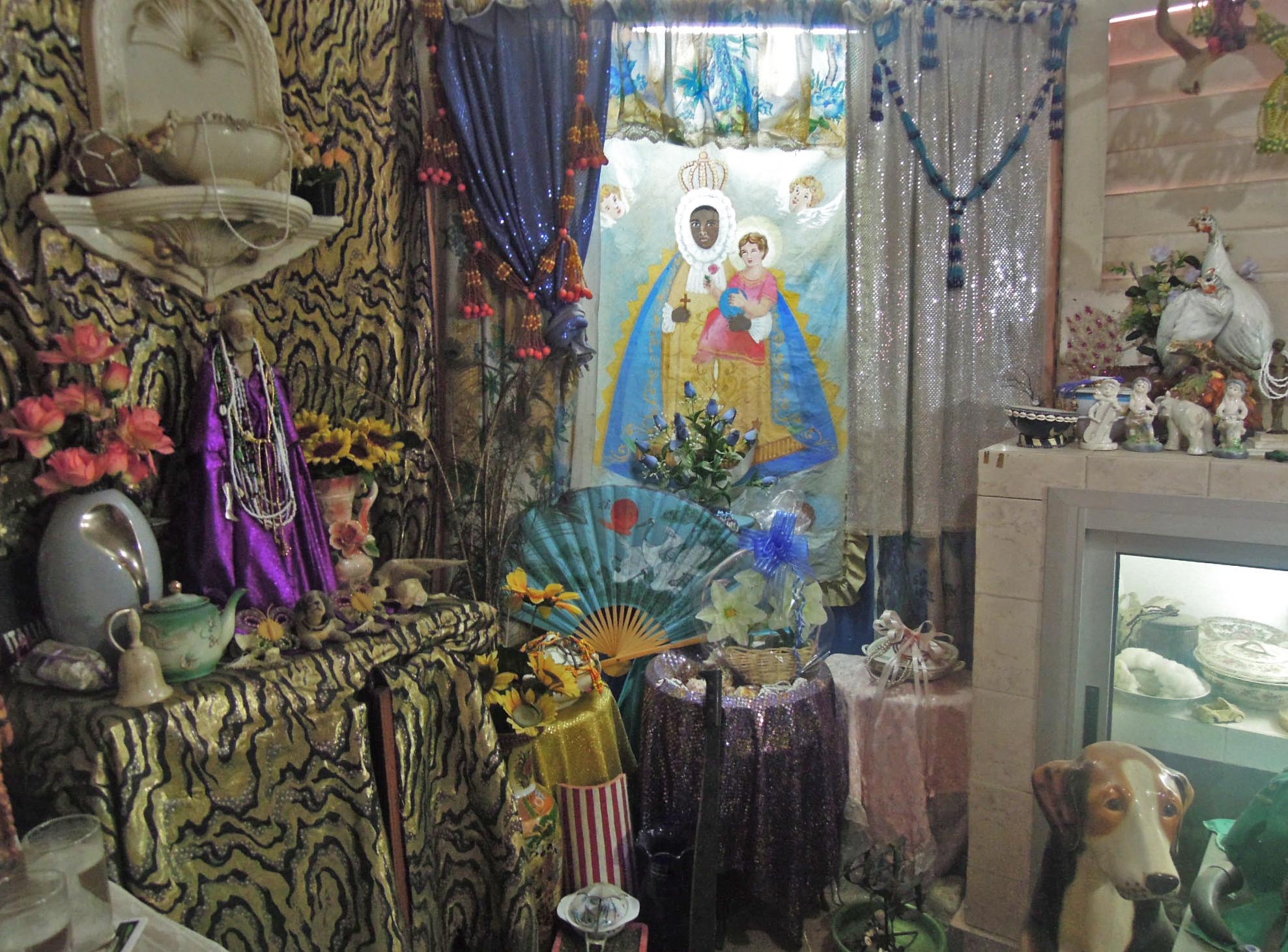


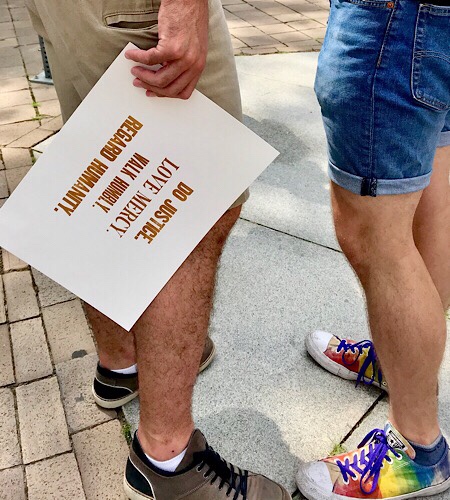
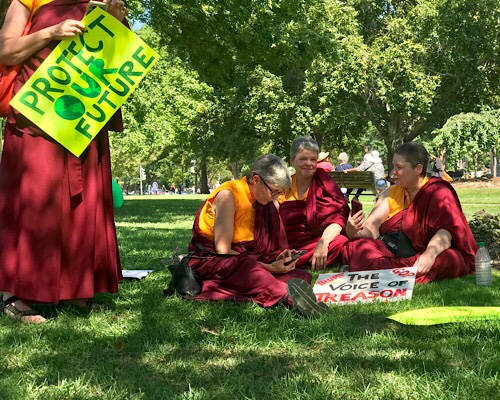
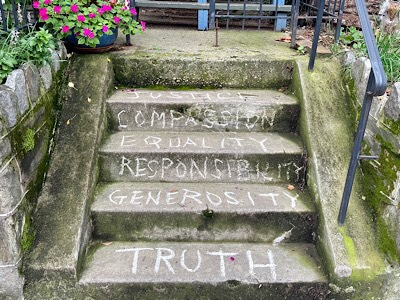
Freedom Plaza, August 12, 2018
Martin Luther King, Jr. said: “A true revolution of values will lay hand on the world order and say of war, “This way of settling differences is not just. …A nation that continues year after year to spend more money on military defense than on programs of social uplift is approaching spiritual death.” Still, the Pentagon suggests that Martin Luther King “might” have supported the war in Afghanistan. Not sure on what basis.
Last night at the Willow Street Book Club, where we were reading Ram Dass’s Paths to God–Living the Bhagavad Gita, one of my fellows raised the question of how we could read as a spiritual guide a book whose context is war. Another asked a similar question from the perspective of a feminist. It was a fabulous, engaged, lively discussion, and I hope to see more next month.
It would be an injustice to the text and the historical context to read entirely out of the Bhagavad Gita the duty of a warrior to kill, a wife to practice suttee, and persons born into each caste to accept their lot in life in a society structured on the caste system. There is much richness in the text, though, that can provide guidance for a feminist, pacifist, who believes that “all men are created equal.”
We have reread “men” in the Declaration of Independence to include women and those of all races (though we cannot manage to rewrite the Constitution to explicitly state that women are equal, but that’s a thought for another day). Similarly, without doing injustice to the text, we can see that the ultimate teachings about living in accordance with duty (svadharma), love, devotion, and sacrifice in the Gita, like the concepts of “life, liberty, and the pursuit of happiness,” provide guidance and force for social action and spiritual devotion beyond a historical context that oppressed and bound on the worldly plane the very persons who are now seeking the deeper meanings in the text. In fact, I believe that we can use the essential intent of the text to teach and transform the oppressors, to use the very text to show why the violence and oppression of the historical context is injust and needs to be changed so that the spiritual intent can be expanded and spread beyond the privileged.