Found Exhortation
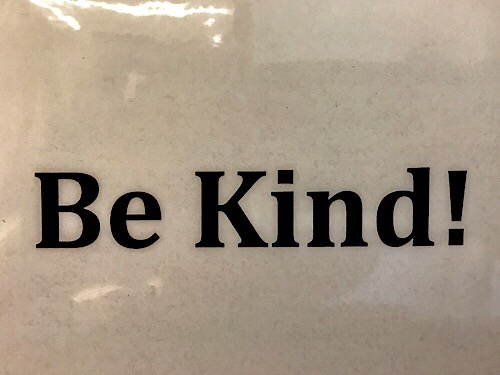
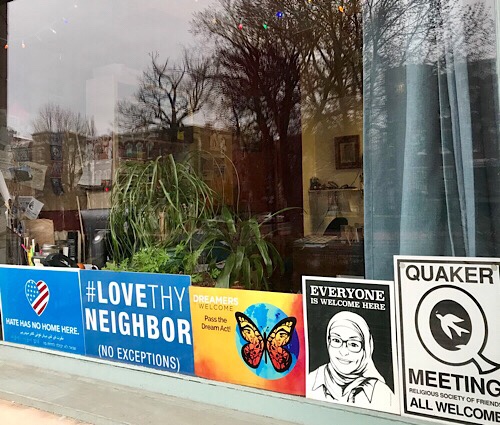
We did have practice at William Penn House, but I fell asleep before posting. Here’s the front window of William Penn House. We’re going to work on a sign for the yoga.
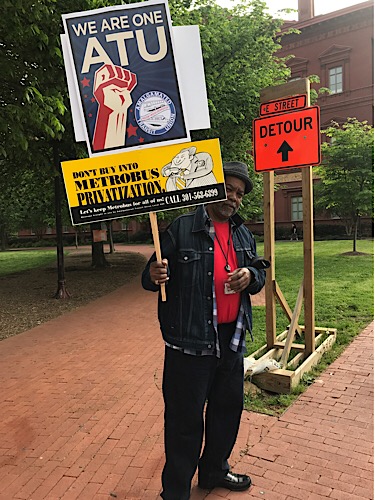
I walked in early to work this morning because I had a dentist appointment and wanted to speak with a colleague before rather than after. I’d planned to get in an hour of work and then take the metro to my appointment. There was a fire that caused a temporary closure, so I head out early and walked. The morning was pleasant, and I had a nice chat on the way with some union workers from metro.
When I saw this headline the other day, the first thought that came to mind was how much pleasanter life would be if those spending huge amounts of effort and money to “fight” gay marriage would pour that energy into educating children, tending gardens, and being friendly with their neighbors. The next thought, which was not unrelated, was that the headline was a prime example of how the action of mayiya mala serves to alienate us and cause unnecessary rancor.
The three malas or cloakings, in tantric philosophy, are aspects of consciousness that prevent us from recognizing the unifying spirit in all beings. We tend to hear a fair amount in yoga class about the first of these —anava mala, which clouds or covers over our recognition of the divine in ourselves, thus leading to feelings of unworthiness–but there is less focus on the other two (the third is karma mala, which is the illusion that we are doing everything all by ourselves–that’s an oversimplification. Perhaps more another time).
At an elemental level, mayiya mala is the distinction between subject and object that leads us to feel separate from other beings. When this separateness makes us feel threatened or needy, then we can behave very badly indeed (mild understatement). I believe that our superficial requirements of outer sameness–think dress codes or neighborhood rules on what one can plant in one’s front yard–are exactly because we fear difference. If we can instead accept difference as part of the play of what actually connects us (see through mayiya mala, then we can more easily love and embrace others and widest variety of creative expression.
On our mats, one of the things that leads to injury is mayiya mala. When we forget that we the purpose of the practice is to seek the peaceful joyous space within ourselves and instead get competitive or acquisitive about postures (or external emblems of “spiritual advancement”), we are getting caught up in the differences and comparisons generated by mayiya mala and get compelled to push and strive in unhealthy and dangerous ways. When we remember the true purpose of practice, we will seek to expand, but with such sensitivity that we do not hurt ourselves. This, of course, is easier said than done.

Peace and light, E — Posted with WordPress for BlackBerry.
I haven’t photographed the t-shirt with the statement “it’s all good” to go with the sign below “needs work,” but I would need to if I wanted to show the apparent philosophical tangle of tantra.
The tantric texts do tell us that it is all good; more accurately, they tell us that all is divine and perfect, and that we are just an element of the “all.” It is hard to believe that when we can see suffering and bad behavior (including some of our own) all around us.
The tricky thing about the declaration that all is divine is that it does not mean that there is no work to be done. The work, though, is not to fix ourselves or what is wrong or bad. Rather, the work (sadhana) is to study so that with discrimination (viveka) we can determine what is out of alignment and causing our own suffering or contributing to suffering of other beings and move towards and unveil the perfection and fullness that we are.
It is sort of like finding a great treasure that has been neglected and misused out of ignorance or carelessness at a yard sale. It takes knowledge to recognize that the cheap, discarded thing is a treasure and skill and effort to restore its intrinsic worth.

Peace and light, E — Posted with WordPress for BlackBerry.
When we choose a tantric path, we choose to experience pleasure as an expression of spirit, rather than seeking to transcend such experience as would one who is on the classical renunciatory yoga path. The choice to remain engaged, to honor mind and body as divine, comes with great responsibility.
When we choose engagement, we choose to experience the divine reality not just of pleasure, but also of pain. The true tantric path does not turn a blind eye to ugliness and suffering. Just taking the pleasure without recognizing its opposite is not authentic practice. If the pleasure of the sunrise is “real,” then the garbage on the beach is just as real.
Recognizing the reality of ugliness and pain as part of the play of the real does not mean, though, that it should diminish our joy in the beautiful and in the dance of the play of opposites of life.
Rather, it is our delight in and engagement with beauty that invites us to serve as best we can to alleviate suffering, to try and clean up the garbage where we can. In other words, as we recognize that ugliness and destruction are part of the play (lila), we seek to be heart-full rather than heart-broken when we witness the suffering from violence to others or our living planet. If we let our hearts break, we become blind to the beauty. Like those who only see what brings pleasure, those who only see the painful are also not experiencing all of the real.
As I head back to the world inside the Beltway, I bring the deepened and replenished sense of beauty and the dance that I always get from collective study and practice. I will try to share the privilege of having this experience by doing my best to clean up what garbage I can, while still dancing and loving in the light.