Similar Posts
Swiss Chard and Onion Pizza with Spelt Sourdough Crust and an Egg Over Easy
Homely and definitely could have been better executed, but satisfying when hot from the oven. The crust I’d frozen a few weeks ago, and it used no commercial yeast. Chard from the garden. The extra portions went into the freezer. During the work week, I’ll be happy to be able to warm it up in the toaster oven for breakfast or lunch–perhaps adding cheese or sprouts and herbs. Or another egg.


- Asana, Pranayama, and Yoga Practice | Food for the Mind (Yoga Philosophy, etc) | Gardening | Meditation | Photos
Bare Bones of the Trees (and Pratyahara)
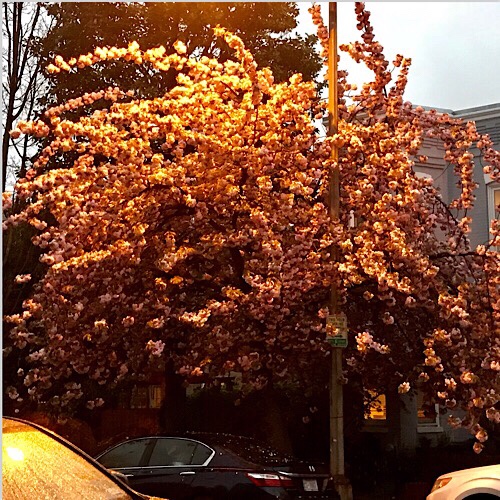
One of the things that I appreciate most about winter is being able to see the bare articulation of the shape of the tree in the absence of its leaves. A dormant tree looks very different from a leafless, lifeless tree. The dormant tree still has a vibrancy to it.
As I enjoyed the beauty of the trees in Stanton Park this morning on my walk to work, I thought about pratyahara (withdrawal of or from the senses), which is the fifth step of Patanjali”s eight-limbed path of yoga and the bridge between life and physical practice (the first four limbs consist of ethical observances and restraints, asana, and breathing practices) and meditation. I have been led to contemplate the practice and meaning of pratyahara since the last meditation retreat I attended.
From a renunciate perspective, pratyahara entails withdrawing from that which stimulates our senses. A renunciate would simplify and restrict what he or she takes into his or her system to free the mind from stimulation and make it easier to go into a space of meditation.
Being careful to eat lightly, avoiding the stimulation of electronic entertainment, finding a quiet place to sit, and shutting our eyes before we begin meditating is part of the practice of pratyahara that all of us who practice meditation do as a matter of course.
From a tantric perspective, I think pratyahara fits into our practice a little differently than for someone seeking to be on a reunciate path. We may definitely choose to minimize undue or excessive stimulation because certain types or amounts of stimulation feel out of alignment with our practices. For me, more than a certain amount of sense stimulation and certain types of stimulation can numb my celebration of and experience the spirit. Refining what I take into my system so I feel better able to live fully and celebrate and see the play of consciousness is different than renouncing objects that stimulate the senses or sense impressions themselves, as being less real than spirit. It is not renouncing things as unreal; it is picking and refining what to experience to better recognize and remember spirit. For the great siddhas, withdrawal from stimulation would not be necessary because they do not lose sight of spirit by either the cravings of the senses or being overwhelmed by reactions to stimulation of the senses.
The trees seemed to me this morning to help elucidate this principle. The trees aren’t acting out of ego or greed or yearning to find happiness from the outside because of an emptiness on the inside. They are always open to the light and the rain. In winter, when they are dormant, they are not reaching for the light and rain or hungering for spring. They are there in all of their beauty open to receive nourishment when it comes. In spring, when the leaves start to bud and open, it is because of the light and the rain, but the essence of being a tree does not change or get distorted by going inward and resting or by opening to burgeoning growth.
When we can simply open to all that is around us as spirit (beyond my capacities except at the rarest of times), then we can be open to the fullness of what stimulates the senses and still be practicing pratyahara. As long as we are swayed from the recognition and delight of spirit by stimulation of the senses, then we need to practice withdrawing on a grosser level to help us find the space of still being where we can be in the world of the senses without being tangled up and bound by it as such.
Arugula and Green Garlic Pesto
There’s lots of arugula in the garden. Some still new enough to save for salad, some that has bolted in the heat. The cilantro is just about gone with the dry heat. The basil and parsley have gone to flower. As I thought about how best to enjoy all of what was there while simultaneously best tending the garden for optimal growth (much like yoga practice), I remembered that I had seen a farmer with arugula pesto at the Dupont Circle Fresh Farm Market last week. I bought something else from the farmer to honor the idea, fully conscious of my own garden full of arugula calling out to me.
Making pesto was a great way to optimize the bitter tang of the flowers on the older plants. (I left a few of each type of plant to go to seed for a second crop starting in late summer on a volunteer basis). I added enough of the young arugula and some tender parsley and basil leaves, along with the basil flowers, to bring out the arugula taste that would have been hidden by the bitterness in the plants that had flowered if not been combined with other foods. I pureed the chopped greens with olive oil, walnuts, and green garlic. Salt and pepper to taste.
- Art and Culture | Asana, Pranayama, and Yoga Practice | Community and Family | Food for the Body | Gardening | Quaker
Inviting Vision
When feeling overwhelmed by the state of things, I’ve been trying to look for comfort not with the “old normal” methods, but in positive possibilities for the future–building community and sharing sustainable nourishment.