Similar Posts
- Art and Culture | Asana, Pranayama, and Yoga Practice | Community and Family | Food for the Mind (Yoga Philosophy, etc)
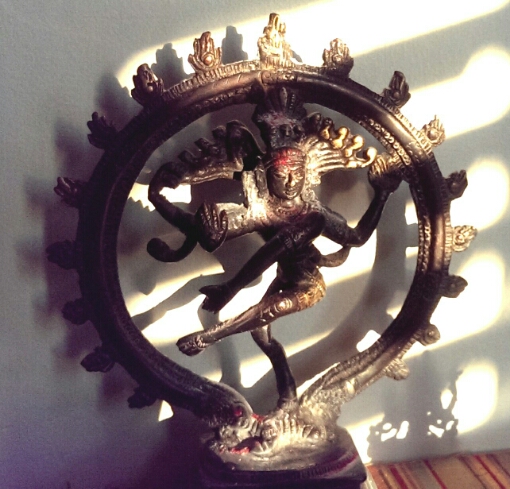
Nataraja (and dancing blissfully in life)
A work colleague of mine graciously said to me that he did not know how I got through certain meetings without yelling, he did not know if he could do it. I replied that lots of yoga helped. “Maybe I should get back to transcendental meditation,” he said, “but I found it did not really help; I should find something, though.”
I said that I tried to think of the challenges at work as just part of the dance that yields such rich abundance for me. The discussion carried on, and we not only resolved the minor problem that had led to the phone call, but also felt a deeper connection that will make it easier in the future to resolve work issues that we mutually encounter.
What I like best about the myth of Nataraja is that the dance is not for the purpose of creating the world or with any particular design, but for the sheer bliss of dancing — anantatandava. The dance makes possible both destruction and creation, but it is not its reason. When we engage in the dance of our own lives, yoga invites us just to dance fully with wonder at the rich diversity of experience. We make choices and seek to be more aligned, but ultimately we are just dancing.
- Art and Culture | Food for the Body | Food for the Mind (Yoga Philosophy, etc) | Gardening | Meditation
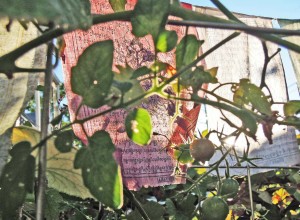
Garden Mandala for Lakshmi
I had intended merely to get some lemongrass for tea. Jai Lakshmi.

On the Way Home from Bonnie Bainbridge Cohen Workshop at Willow Street Yoga
I came home from the workshop with much to explore in my own practice, and it was good to see old friends from the yoga community and make new acquaintances.
One of the things I appreciated were the demonstrations of therapeutic applications. Bonnie Bainbridge Cohen noted that the first issue is survival, observing that since we were all safely together in a nice yoga studio, that we had survival covered.
The second thing, she suggested, before offering healing, is to make sure that both the person receiving and the person making the offering are comfortable.
I add to the latter that having both people be comfortable increases the likelihood that they will be able to stay present and mindful, which should increase the possibility of efficacy.