Similar Posts

  • | | |

    Gardening, Cleaning, Cooking (and Vinyasa Krama and Kali)

    Vinyasa krama is the art of sequencing.  How a yoga practice or flow is sequenced can determine whether it is uplifting or inward going, exhilarating or calming.  When we are trained and attentive, we start to know the most optimal order to open our bodies and our focus to align with the time of day, the season, the weather, our mood, and our health.  This incredible art helps us be positioned and aligned in a way that we feel free in time and space, rather than being constrained by time and space.

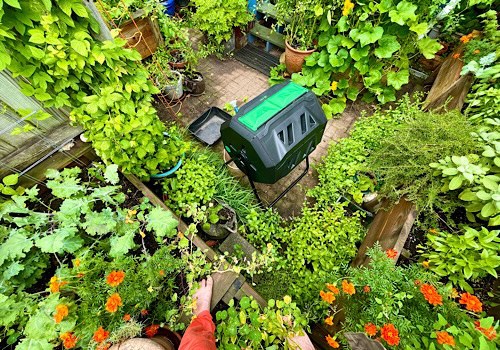
    This morning while I was out in the garden, I was thinking a lot about vinyasa krama and the goddess Kali — goddess of, among other things, time and change, and thus, of sequencing.  I woke very early, brought to consciousness by the long light of the solstice even through closed curtains.  As I went about my morning, rinsing the sprouts while heating the water for my morning coffee; cutting back the greens and herbs before starting breakfast; doing the major pruning and clean-up before doing more decorative garden work; finishing cooking before taking out the recycling; applying a facial mask before starting to vacuum; never walking up or down the stairs empty-handed; waiting to gather the bills until after I was clean and waiting for friends to arrive, etc., I realized how important sequencing is to the richness of my days.  By knowing the best way to order tasks for my needs, my day is simultaneously productive, unhurried, and enjoyable.

    By the time my friends arrived around noon, I had meditated, taken care of the garden, gathered food for my own breakfast and to share with friends, talked to neighbors, cleaned the house and myself, done a little asana, written in my journal, and sorted the mail.  Had I not known from long experience and conscious attention how to sequence all the different elements, knowing which ones went together, which took longest, which ones if done earlier or later would create double clean up, etc, I would have been tired and the tasks unfinished.  Instead, after brunch, I came home to a tended garden, a freshly made bed, and time to enjoy a quiet evening.

    These sequencing principles also apply for me on major projects at work.  If ordered one way, the work is exponentially harder, the deadline a fearsome thing; if ordered another way, everything comes together mostly as it should when it should.  When I order my work with attention (this assumes others cooperate with this endeavor), I have time to do a good, careful job and still take breaks, eat well, and leave the office in time to take or teach yoga class.

    Whether you are doing your home yoga practice or cooking or working, choose to sequence the elements of your practice, your activities, or your day, with attentiveness, reverence, love, and respect, and Kali will support you and not show you her most fearsome face.

  • | |

    Hard Freeze Forecast (Heyam Dukham Anagatam)

    My favorite sutra in Patanjali’s Yoga Sutra’s is, II.16, “heyam dukham anagatam.”  This translates roughly as “the pain that is yet to come can be avoided.”  What does this have to do with a forecast of a hard freeze?

    My chard, beets, and turnip greens are still flourishing.  They can manage with a night or two in a row in the high 20sF, and that is all we have had so far.  The forecast for later in the week, though, is for the first true cold snap since 1994 (you may remember that as the year when lots of people’s pipes froze).  My winter garden (which does not have a cold frame due to lack of space — maybe I’ll get more creative next year, and I’ll try an experiement with plastic bags on Thursday night) cannot survive lows in the low teens highs in the twenties.

    I could suffer today by bemoaning the coming cold, worrying about the garden, and remembering that I don’t like cold.  That would be present suffering in anticipation of potential future suffering.  I certainly can avoid that.  I can also do what I did yesterday, which was harvest lots of the chard and most of the beets, put the beets into cold storage (vegetable bin in the refrigerator) and make pasta with sauteed garlic and chard.  Between now and Wednesday night, I’ll harvest most of the remaining greens.  I’ll make a big vegetable soup with the beets and the chard, maybe make chard pie or calzones (truly delicious), and eat the rest over the following days.  I’ll feel grateful that in the bitter cold, I can be eating fresh garden greens.  I’ll be even more grateful that I can just shop at the grocery store or the farmers’ market and don’t need to rely on my garden feeding me year round.  I’ll also be happy for the hard frost.  Part of the reason the aphids and the mosquitoes have been so bad is the absence of a hard frost in winter.

    Some bitter cold in winter in a temperate zone is inevitable, as are sickness and death.  We can avoid suffering by not just getting anxious and unhappy and suffering in the present, but not taking action to alleviate potential suffering.  With preparation and practice, we can avoid some suffering.  Just has preparing for winter in the garden can allow it to be productive for greater parts of the year, so too, with a steady practice of asana, pranayama, and meditation we can avoid some physical and emotional pain and suffering.  Most important, with steady preparation (preparing for the potential for difficulties in the future is not the same as being anxious about it), when the inevitable comes, we will likely suffer less, at least in our hearts, if not in our bodies.

Leave a Reply

Your email address will not be published. Required fields are marked *

This site uses Akismet to reduce spam. Learn how your comment data is processed.