Signs Around Town (Lambertville, N.J.)

Peace and light, E — Posted with WordPress for BlackBerry.
Peace and light, E — Posted with WordPress for BlackBerry.
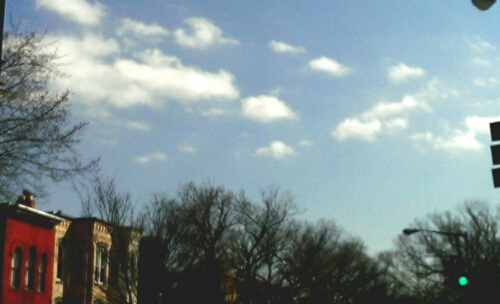
I worked. I walked about in the neighborhood and took observance of the signs of Spring.
My own reflections will come at some point. Here is a thoughtful interview with John Friend on the decisions by Darren Rhodes, Christina Sell, and Elena Bower no longer to hold themselves out as certified Anusara instructors.
The light woke me early on this summer solstice. The sky is bright blue, the air clear and pleasantly temperate, the mountains lushly green, and friends surround me. The practice yesterday was lustrous, and the next two days promise to be equally delightful.
The delight from being surrounded by beauty and good friends can give us a taste of the possibilities of experiencing true bliss. As the surface enjoyment of being on vacation (albeit an extraordinarily good one), though, it has a shadow side, just as the picture below of a smiling ganesha at the base of a tree in the middle of a heart is flanked by a fire hydrant and a pile of trash bags.
It is really easy to imagine ananda — divine bliss, under these circumstances. It is important for all of us to find moments within our means when it is easy to experience the spark of spontaneous happiness. When it is challenging to find it, when grief or hardship confront us, it is ever more important to be able to tap into a space of bliss so that we can bring the most light to our challenges. Having the sweet times helps us find it in the bitter.
Ananda, John reminded us at the afternoon philosophy lecture yesterday, is the joy that has no opposite. It is a deep contentment with what is–hearts and trees and fire hydrants and trash bags and all–that fully accepts the play of opposites.
Those of us who do not know and live ananda spontaneously and naturally all of the time have the yoga. We challenge ourselves on the mat, knowing the exhilaration of heart opening and the challenge of stiffness; we sit for meditation on good days and bad, finding sometimes the pulsing, vibration of the fullness of consciousness and other times our to do list; we practice pranayama to open our energy channels; we chant to remind ourselves of why we practice: to open our hearts and discover the best in ourselves and in all beings.
Happy solstice to all and hope see you soon for the yoga.

Peace and light, E — Posted with WordPress for BlackBerry.