Similar Posts
- Art and Culture | Asana, Pranayama, and Yoga Practice | Community and Family | Food for the Mind (Yoga Philosophy, etc)
How Not to Wreck Your Body
The New York Times just published a lengthy article on “How Yoga Can Wreck Your Body.” The response of one of my fellow certified Anusara yoga instructors was “duh!” This conversation greets me as I am about to offer a free gentle and therapeutic yoga class at Willow Street Yoga to invite new and continuing students to discover the power of the Anusara alignment principles to heal and transform challenges of embodiment. If I were not highly confident in the power of Anusara yoga to heal when practiced mindfully, I might be worried that the article would keep away potential students. Instead, I welcome the “news” as a way to broaden the invitation to discovery.
As I have blogged about before, at an intensive, John Friend once compared advanced asana to digitalis–depending on dosage and circumstances of the individual digitalis is at once the deadliest plant in the garden and one of the most powerful medications to heal the heart. We don’t read much about digitalis in the news, but we are constantly bombarded with contradictory news flashes about the health risks and benefits of lots of things — coffee, red wine, vitamins, running, anything that has been either held out as either a cure all or an evil that is ubiquitously practiced or imbibed. Why? I think it is because we in this society are hungry for panaceas, for effortless solutions, for the latest thing, for something to save us from emptiness and ill health, without actually having to work at it. It is newsworthy that yoga bears risks precisely because we (the general societal we) wanted it to be a perfect solution without actually requiring any change how we live the rest of our lives (including diet, exercise, relationship to others) and to bring to yoga the mindfulness, determination, and steadiness that it requires to bring the peace, harmony, and healing it offers.
Expanding Your Edge
Thursday night, I took a dance improvisation workshop at Dance Exchange, the second in a series of three workshops. One of the exercises we did was in groups of two. The game was to do simultaneous improvisation. Without designating a particular person as a leader, each dancer was to try and stay in synchronized movement with his or her partner. When we were done with the exercise, some of the dancers talked about their goal having been to be in control of the lead or trying to push their partner past his or her edge. I had been innocently (or perhaps naively) unaware of these dynamics, as I had been seeking to find where the dance could be the leader rather than either partner.
After the workshop, when I was walking to the metro with the teacher and another participant, both of whom are performers in their 20s, I raised the issue of people trying to push others past their edge (I’d held off raising it in the group as it seemed too many were in a different space). I said that knowing that my partner was a lot less flexible than me, though lots stronger, and knowing his competitive edge, I never would have tried to push him beyond his physical limits.
The teacher said he liked being pushed past where it seemed like a good idea; it made him get to another place. I agreed that it is good to try to expand, to go beyond what we think are our limits. I have been taught, though, by my teacher John Friend, not to blow past my limits. Rather, in the practice of Anusara yoga, we seek to be intimately and exquisitely aware of our edge at every moment, and then expand it. The game with the partner using this paradigm would have been to find the edge and then see if the dance could expand it rather than to try and exert control or see if we could push our partner past his or her limits at our partner’s risk. When we operate in a paradigm of straining and striving, or we push for control or try to compete with ourselves or with others, that is where we get injured. I’ve had my share of dance injuries, I added, but to continue dancing through the decades, I cannot be blowing past my limits, though I am still growing. I was not sure that what I said felt relevant, but I could also tell that it was information that went into the thought mix for later.
Untitled
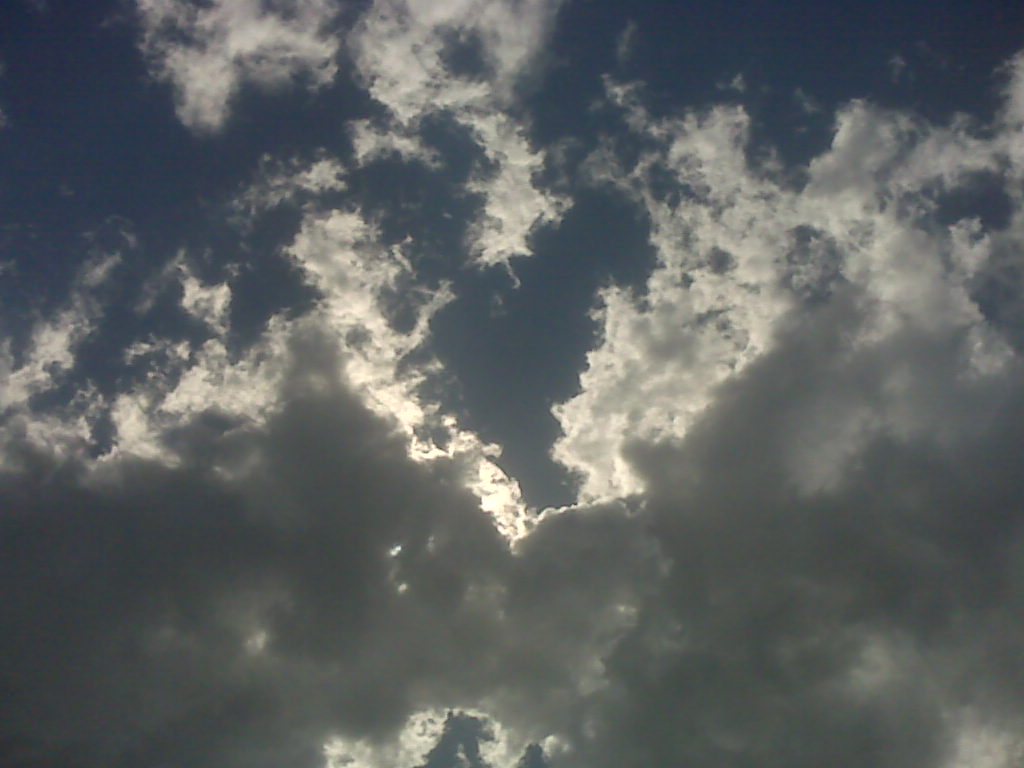
I was standing around with some neighbors–all masked, but needing to say hello. When getting into political discussion with a neighbor who seems to think there might be a return to “normal,” I happened to glance up and notice how beautiful was the sky.