| |

Why to Have a Teacher

I have never been inclined to (or even capable of) bhakti–unquestioning surrender and love for guru or deity, though I have practiced for years with those who believe for better or worse that it is an essential element of the yoga. I do, however, believe that having teachers is essential to developing a full and healthy yoga and meditation practice.

Just as there is little point in having a machine that you do not know how to turn on or work, without instruction it would be very difficult to access and apply the fullest and most optimal benefits of the various practices.

Peace and light, E — Posted with WordPress for BlackBerry.

Similar Posts

  • | | | |

    Bare Bones of the Trees (and Pratyahara)

    One of the things that I appreciate most about winter is being able to see the bare articulation of the shape of the tree in the absence of its leaves. A dormant tree looks very different from a leafless, lifeless tree. The dormant tree still has a vibrancy to it.

    As I enjoyed the beauty of the trees in Stanton Park this morning on my walk to work, I thought about pratyahara (withdrawal of or from the senses), which is the fifth step of Patanjali”s eight-limbed path of yoga and the bridge between life and physical practice (the first four limbs consist of ethical observances and restraints, asana, and breathing practices) and meditation. I have been led to contemplate the practice and meaning of pratyahara since the last meditation retreat I attended.

    From a renunciate perspective, pratyahara entails withdrawing from that which stimulates our senses. A renunciate would simplify and restrict what he or she takes into his or her system to free the mind from stimulation and make it easier to go into a space of meditation.

    Being careful to eat lightly, avoiding the stimulation of electronic entertainment, finding a quiet place to sit, and shutting our eyes before we begin meditating is part of the practice of pratyahara that all of us who practice meditation do as a matter of course.

    From a tantric perspective, I think pratyahara fits into our practice a little differently than for someone seeking to be on a reunciate path. We may definitely choose to minimize undue or excessive stimulation because certain types or amounts of stimulation feel out of alignment with our practices. For me, more than a certain amount of sense stimulation and certain types of stimulation can numb my celebration of and experience the spirit. Refining what I take into my system so I feel better able to live fully and celebrate and see the play of consciousness is different than renouncing objects that stimulate the senses or sense impressions themselves, as being less real than spirit. It is not renouncing things as unreal; it is picking and refining what to experience to better recognize and remember spirit. For the great siddhas, withdrawal from stimulation would not be necessary because they do not lose sight of spirit by either the cravings of the senses or being overwhelmed by reactions to stimulation of the senses.

    The trees seemed to me this morning to help elucidate this principle. The trees aren’t acting out of ego or greed or yearning to find happiness from the outside because of an emptiness on the inside. They are always open to the light and the rain. In winter, when they are dormant, they are not reaching for the light and rain or hungering for spring. They are there in all of their beauty open to receive nourishment when it comes. In spring, when the leaves start to bud and open, it is because of the light and the rain, but the essence of being a tree does not change or get distorted by going inward and resting or by opening to burgeoning growth.

    When we can simply open to all that is around us as spirit (beyond my capacities except at the rarest of times), then we can be open to the fullness of what stimulates the senses and still be practicing pratyahara. As long as we are swayed from the recognition and delight of spirit by stimulation of the senses, then we need to practice withdrawing on a grosser level to help us find the space of still being where we can be in the world of the senses without being tangled up and bound by it as such.

  • | |

    Signs Around Town (and Things Attributed By Some to the “Divine”)

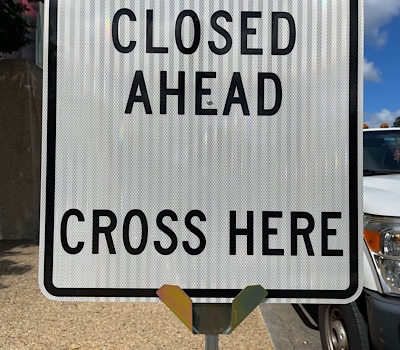
    Whether or not one believes in an uber-creator, such belief is no excuse to abdicate one’s own need to be conscious of how individuals are part of the whole fabric of being and our duty (dharma) to act in recognition of that interrelationship. Taking responsibility for our own lives and relationship to others and our place in the ecosystem is an essential part of aligning with the ideal of the divine.

    It is reasonable and perfectly appropriate to practice to enhance our own peace, joy, and well-being. Equally important is that the practices lead us to live with more mindfulness and compassion.

    Doing the practices without ever refining how we are in the world is not, as some claim, enough to serve as a grand contribution to making the world a better place, though if we are happier and healthier we are likely to be more pleasant to be around.

    Peace and light, E — Posted with WordPress for BlackBerry.
  • | |

    Pradakshina?

    The term pradakshina roughly means turning towards what is right, to move in alignment with nature. When I was in yoga teacher training, we were taught that to make sure that the practice was in accordance with nature, with the principle of pradakshina, we should instruct our students to roll to the right when coming out of savasana (final relaxation; the corpse pose).

    Those who take class with me may have noticed that a couple of months ago, I started just saying to roll to your side, whichever side feels better for you.

    Why should turning to the left be sinister (latin for left), or gauche (french for left), or subversive and contrary to dharma (left-handed tantric practices).

    Left-handed myself, I can assure you that not one of the salesmen in the expensive shop in India where I bought art and jewelry last year cared that I signed a credit card slip with my left hand (though in India it is customary to eat with the right hand and wipe oneself with the left to make sure that one never uses the same hand for both activities).

    Who wants to move the right if right means not correct, but conservative, fundamentalist, self-righteous, and rigidly traditional in societies where tradition is paternalistic, narrow-minded, racist, classist, religiously dogmatic, and sexist?

    I think turning to the side without the bum shoulder or the clogged sinus or turning to the side where there is more room or a beloved friend practicing beside you is turning in accordance with the principle of pradakshina–even if it means turning to your left.

    Practice pradakshina by all means, seek to align with and embrace the flow and forces or nature within and without and honor those social customs that support and expand love and community, but don’t just roll to the right (or teach that) because someone told you going to the right will bring you closer to the divine. It ain’t necessarily so.

    Peace and light, E — Posted with WordPress for BlackBerry.

Leave a Reply

Your email address will not be published. Required fields are marked *

This site uses Akismet to reduce spam. Learn how your comment data is processed.